By The Gallo Company
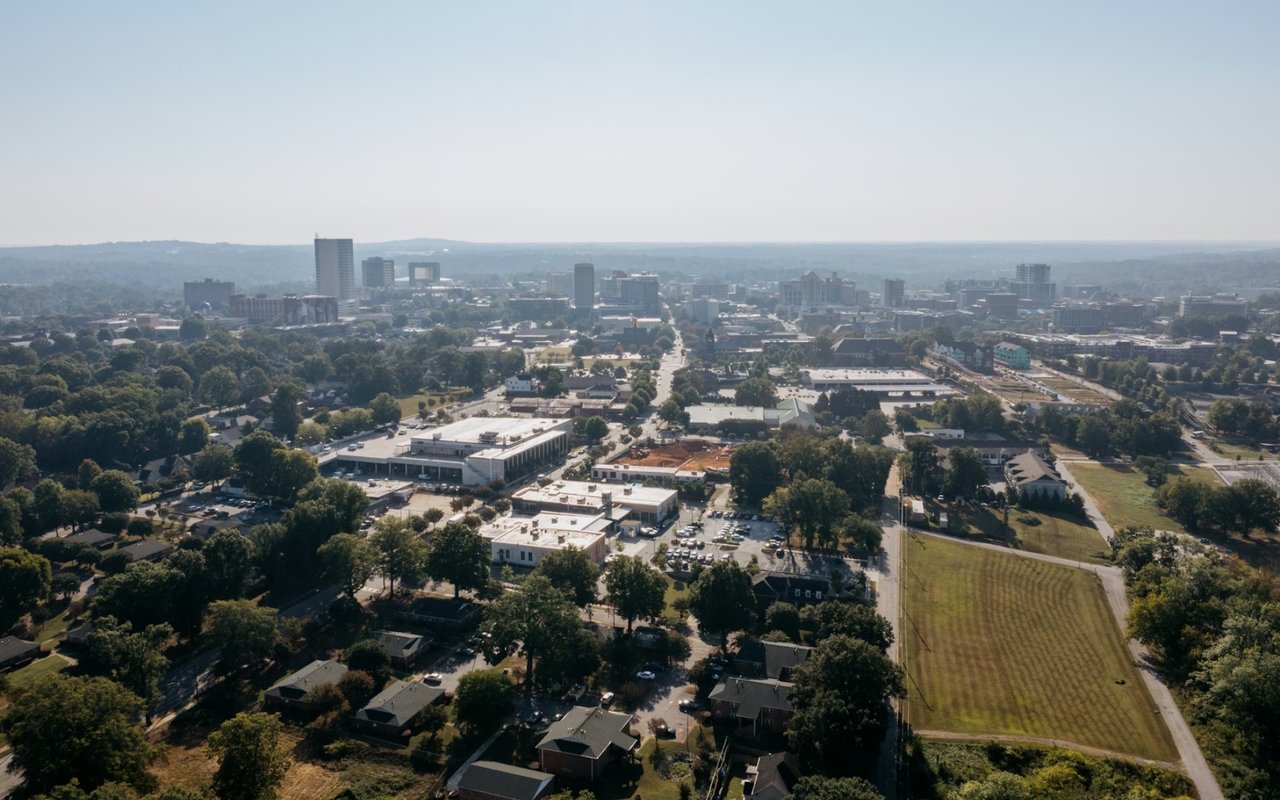
Imagine stepping through a front door where generations have greeted friends, celebrated milestones, and watched the world evolve just outside the window. That’s the magic waiting for you in a historic home in Downtown Greenville—a city where the streets are alive with both storied tradition and modern excitement.
The search for a historic home here is more than just a real estate transaction. It’s an adventure filled with discovery, meaningful choices, and the promise of living in a place where every corner holds a piece of the past.
If you’re drawn to unique architecture, dream of original hardwood floors and hand-crafted details, or simply crave a home with a true sense of character, Greenville’s downtown real estate landscape offers you an unmatched opportunity. This guide will give you everything you need to make the search both successful and enjoyable. Let’s get you one step closer to claiming your own place in Greenville’s remarkable story.
Key Takeaways
-
Exploring Greenville’s historic districts gives you important insight into which neighborhoods offer genuine, character-filled homes with lasting value. By exploring these storied streets, you’ll quickly get a sense of where you’ll feel most at home—and which architectural styles inspire you the most.
-
Getting familiar with Greenville’s key neighborhoods helps you focus your search on the areas that best match your lifestyle, design preferences, and renovation goals.
-
Approaching your home search with a clear plan and a flexible mindset will help you seize opportunities as they arise
-
With a thoughtful strategy in place, you’ll be ready to act quickly, ask the right questions, and secure a historic home in Greenville that fits both your lifestyle and your vision for the future.
Discovering Greenville’s Historic Home Market
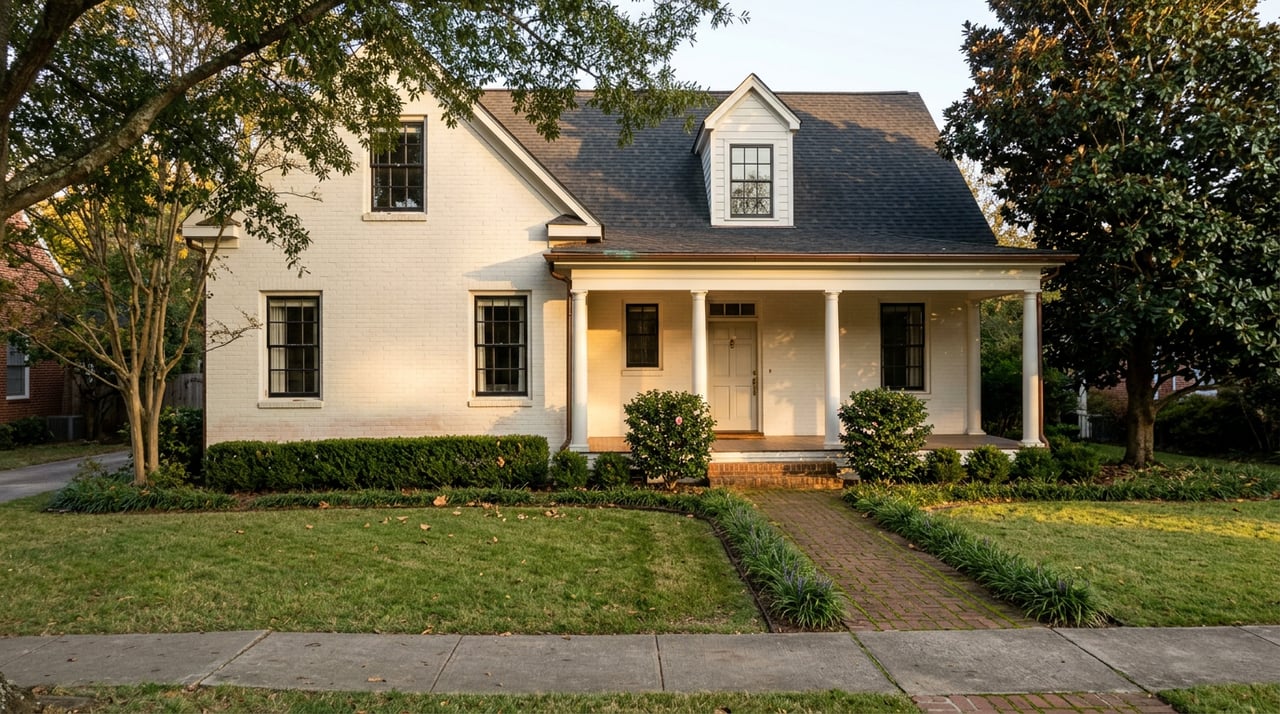
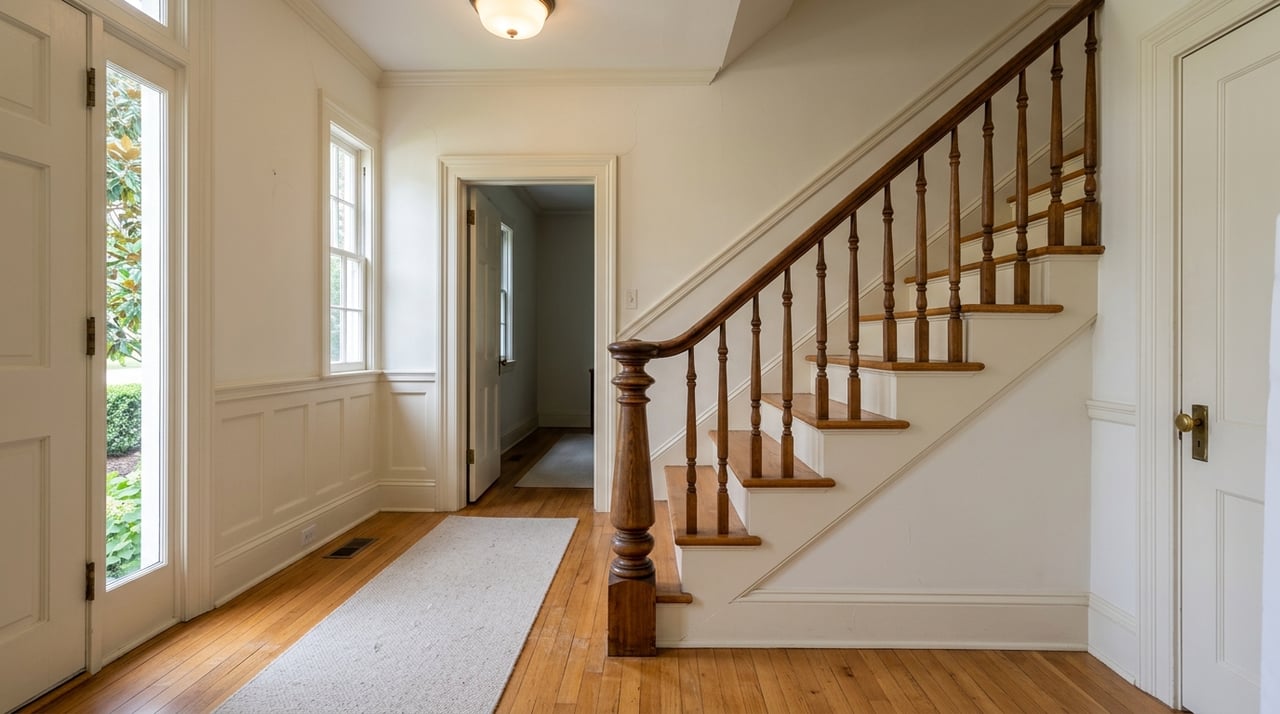
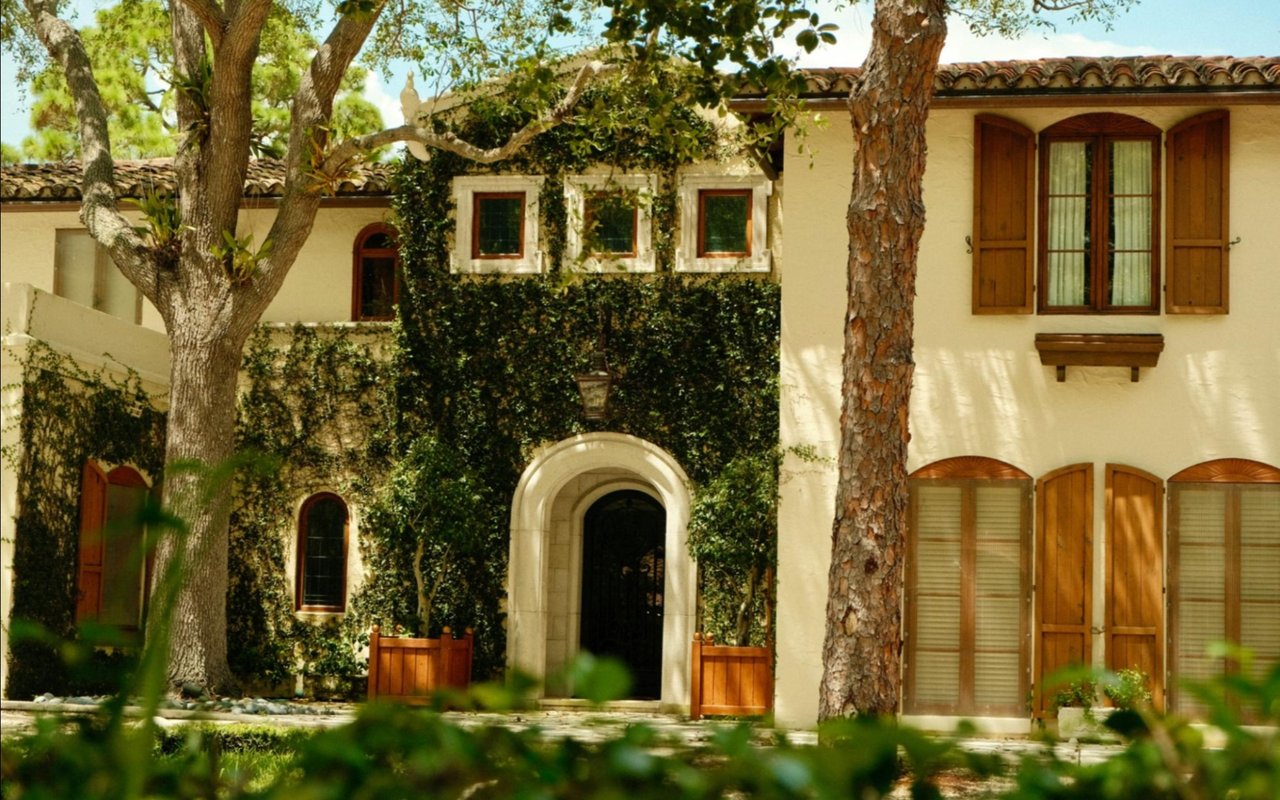
Greenville’s downtown has a personality unlike any other, defined by its legacy properties and lively urban spirit. Here, historic homes aren’t just compelling; they are highly prized for their details and connection to the city’s past. You’ll find homes dating back to the late 1800s and early 1900s, each with its own story to tell through stained glass, ornate moldings, and timeless architecture.
Some of the properties have been meticulously restored, offering the comforts of today while preserving the essence of yesterday. Others are ready for a bold vision and thoughtful renovation. By understanding what makes these homes so special, you can approach your search with focus and confidence.
Some of the properties have been meticulously restored, offering the comforts of today while preserving the essence of yesterday. Others are ready for a bold vision and thoughtful renovation. By understanding what makes these homes so special, you can approach your search with focus and confidence.
What to Know About Greenville’s Historic Homes
-
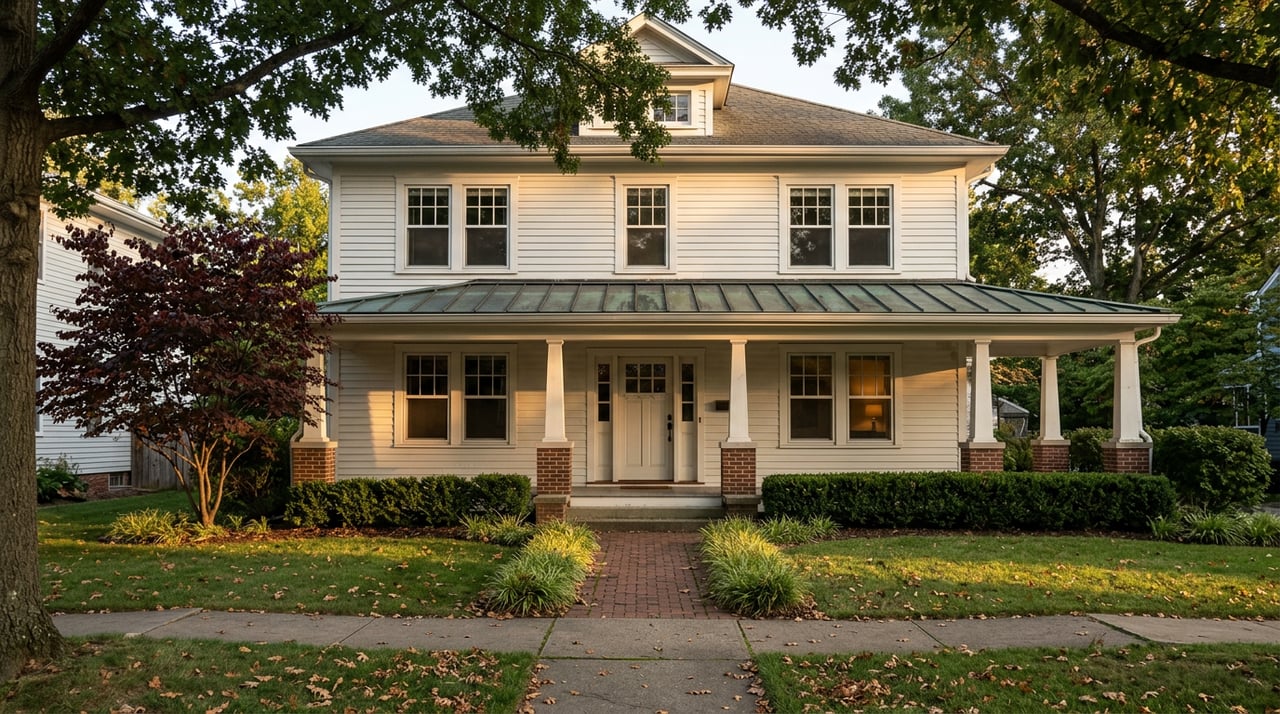
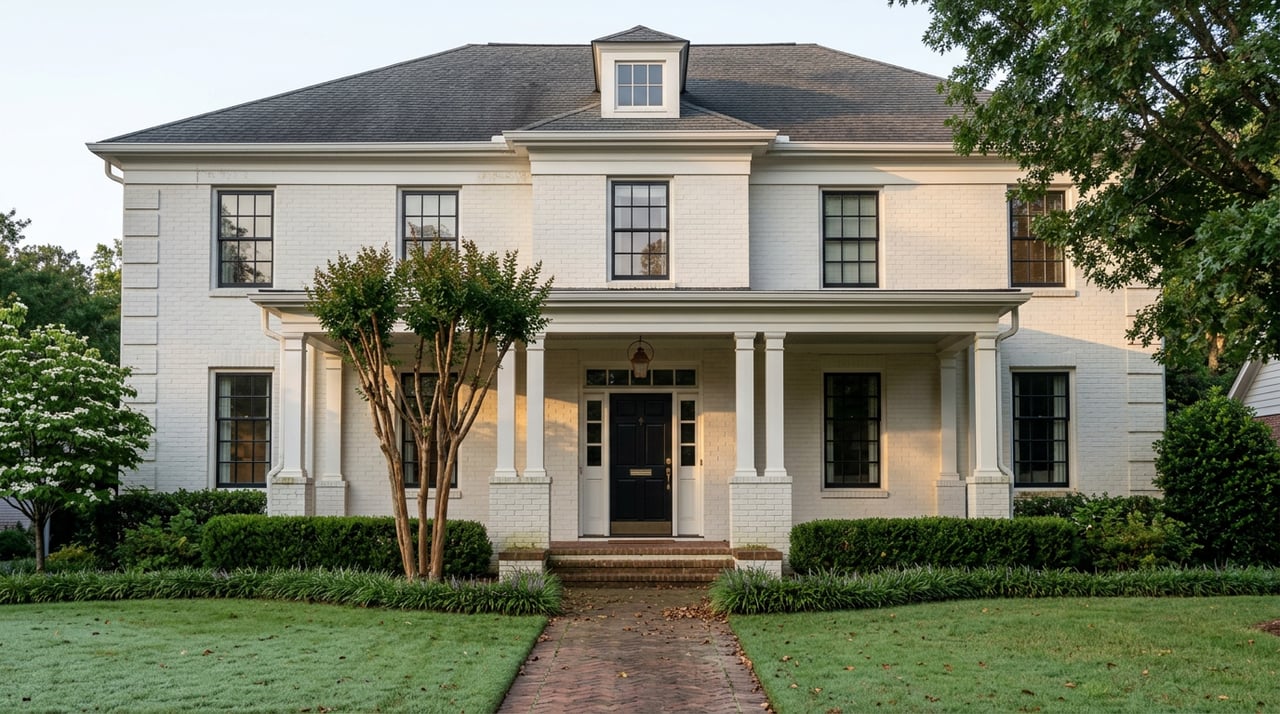
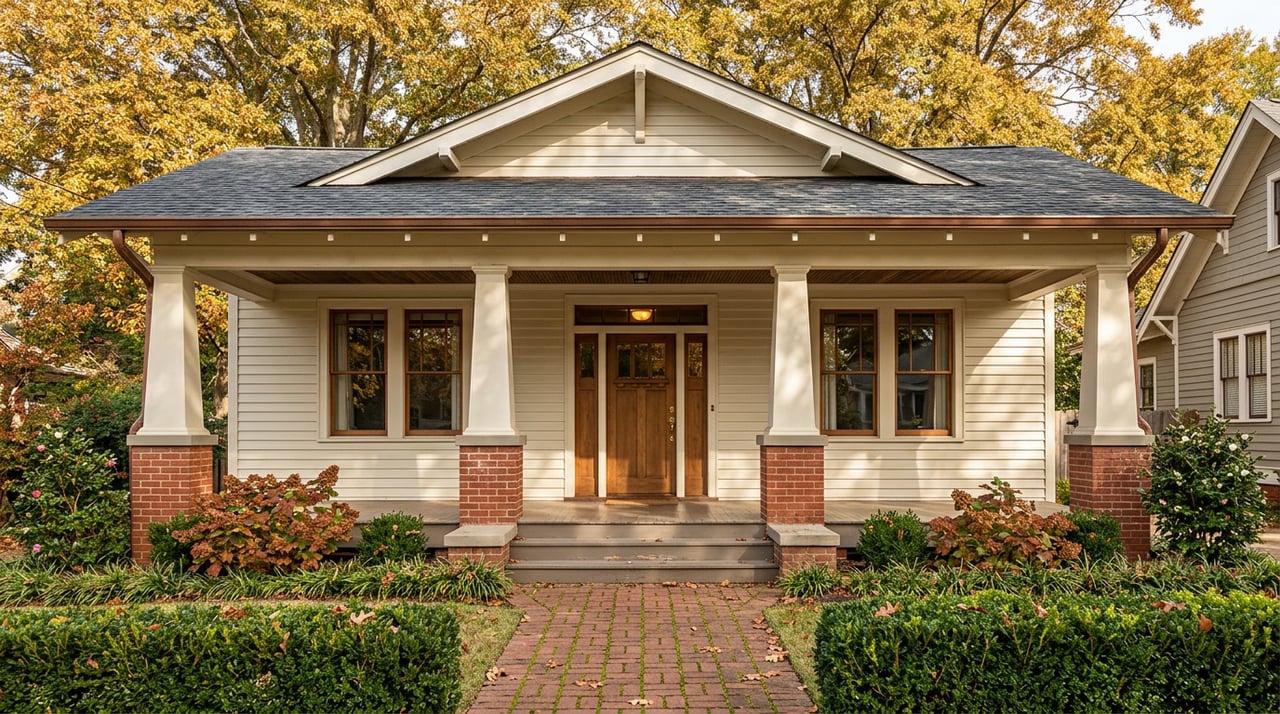
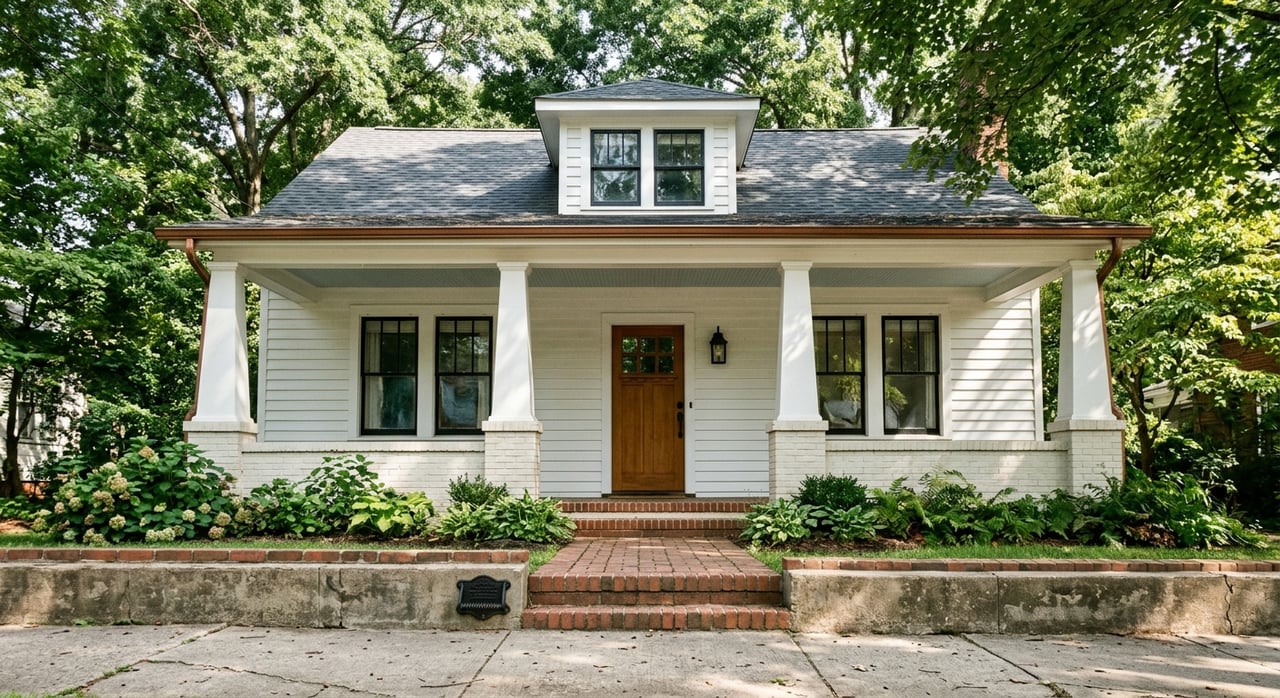
The city’s most authentic and alluring historic homes are concentrated in areas like Hampton-Pinckney and the Pettigru Street Historic District. Many homes in these districts feature recognizable architectural styles, such as Queen Anne, Colonial Revival, Victorian, and Craftsman, making it easier for you to match your preferences with the perfect property.
-
Living in downtown Greenville means enjoying the best of both worlds: original architecture paired with a premier, convenient location near renowned dining, parks, and events. The demand for these homes creates a dynamic and competitive market. Having your priorities and resources lined up ahead of time allows you to move quickly and decisively.
Key Neighborhoods to Know in Greenville
Greenville’s historic housing stock is spread across several neighborhoods, and each one offers a different experience in terms of architecture, setting, and proximity to downtown. Some areas feel closely tied to the walkable downtown core, while others offer a more residential atmosphere with larger lots, established trees, and a quieter pace.
The neighborhoods below can help you organize your search and understand where Greenville’s older homes are most likely to align with your goals.
The neighborhoods below can help you organize your search and understand where Greenville’s older homes are most likely to align with your goals.
Familiarize Yourself with These Areas
-
North Main and Hampton-Pinckney: These two areas are among the strongest starting points. North Main offers attractive older homes along established streets with easy access to the city center, while Hampton-Pinckney is especially known for its concentration of historic residences and classic architectural styles.
-
Heritage Historic and Sterling: These neighborhoods appeal to buyers who want a direct connection to Greenville’s older residential fabric and a sense of place shaped by the city’s past.
-
Alta Vista and Augusta Road: If your search includes established homes in highly regarded in-town settings, Alta Vista and Augusta Road are important areas to explore. These neighborhoods are known for their mature landscaping, enduring residential appeal.
-
Overbrook and Nicholtown: These areas can be worth watching for buyers who want a neighborhood with history and a residential setting that still feels connected to downtown Greenville.
-
Parkins Mill: Parkins Mill offers a different version of Greenville’s older-home appeal, with an established residential feel that can suit buyers looking for more space and a quieter setting.
Greenville’s Preservation Guidelines
Owning a historic home in Greenville means you’re entrusted with preserving something truly special. The city’s preservation guidelines are designed to protect what makes these residences extraordinary, so understanding them upfront is a smart move. In most historic districts, changes to the home’s exterior—and sometimes key interior elements—require approval from the city’s Historic Preservation Commission.
While these rules may seem strict at first glance, they serve an important purpose. They ensure that your investment remains part of a living legacy and help you maintain your home’s value over time.
While these rules may seem strict at first glance, they serve an important purpose. They ensure that your investment remains part of a living legacy and help you maintain your home’s value over time.
What to Expect from Preservation Guidelines
-
Any visible changes—like new paint, replacing windows, or adding a porch—generally require city approval, which helps maintain the district’s signature look. Adhering to preservation guidelines is an investment in the future, as it protects your home’s historic significance and appeal.
-
Restoration work must often use materials and techniques that match the original construction, creating a finished product that’s both authentic and lasting.
Evaluating Historic Homes: Features and Condition
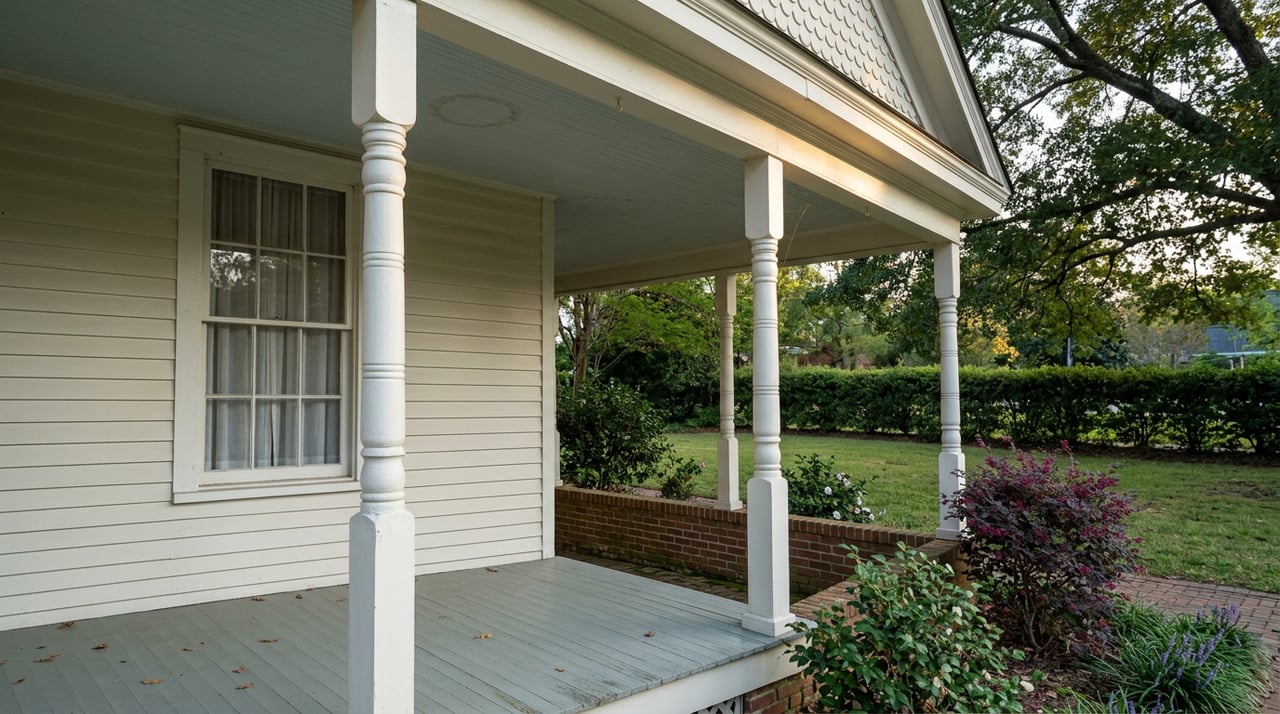
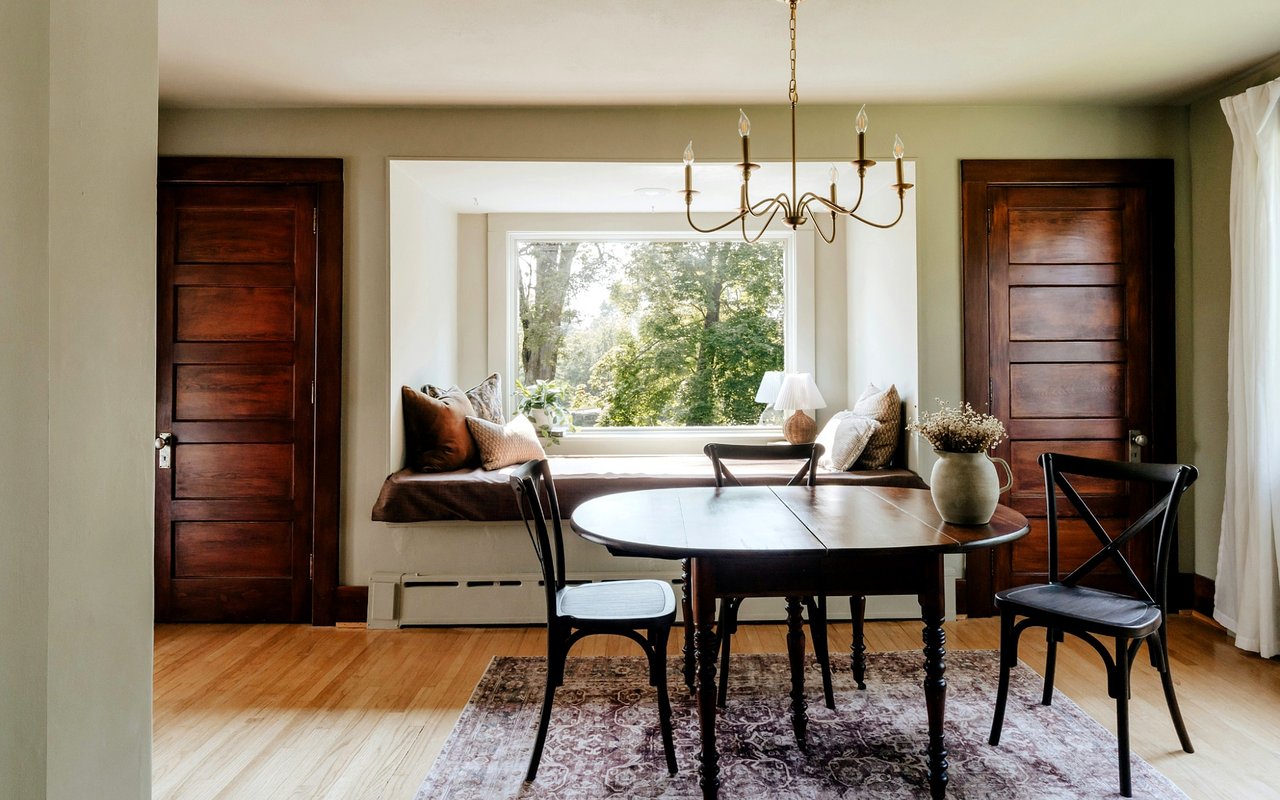
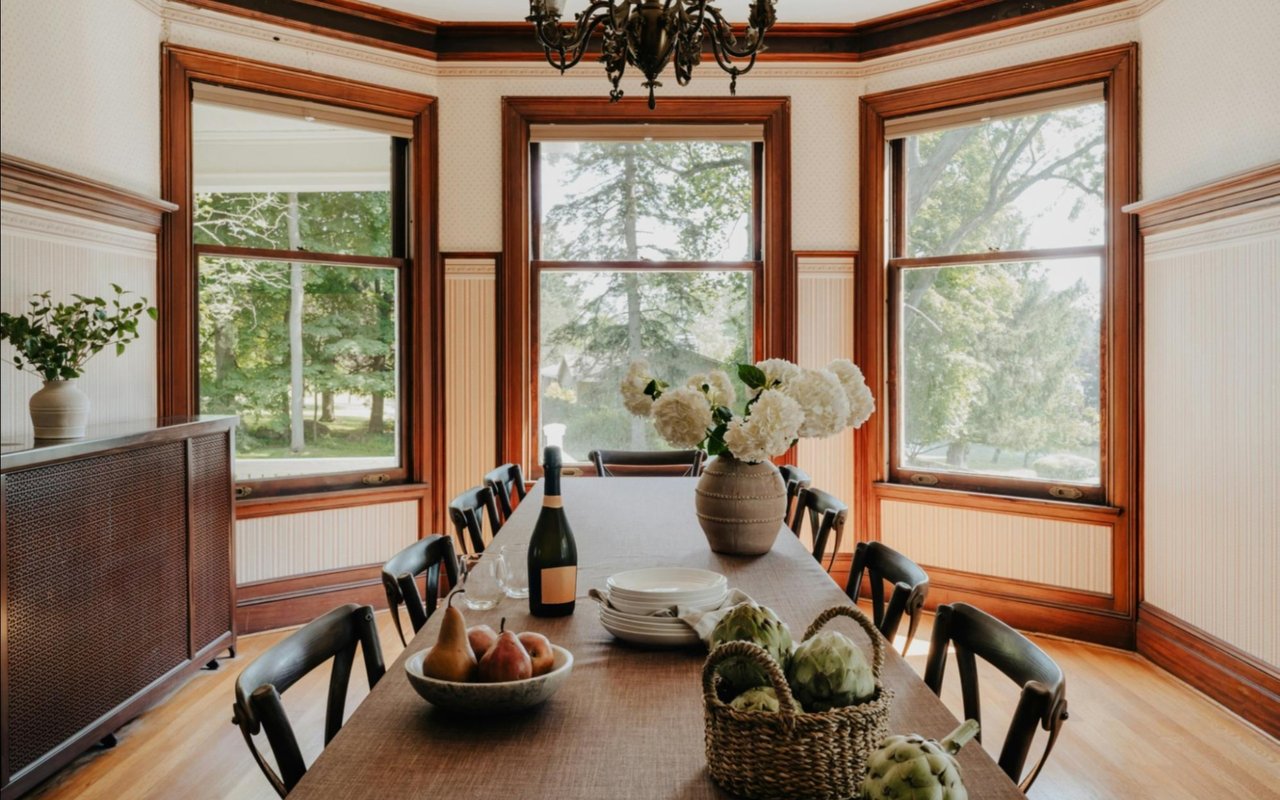
Historic homes come with their own set of joys and nuances. Every original detail—whether it’s a marble fireplace, heart-pine floors, or hand-carved moldings—adds to the property’s enduring value and charm. That said, these features may also require specialized care and investment over the years. Before you commit, you’ll want to understand exactly what you’re getting.
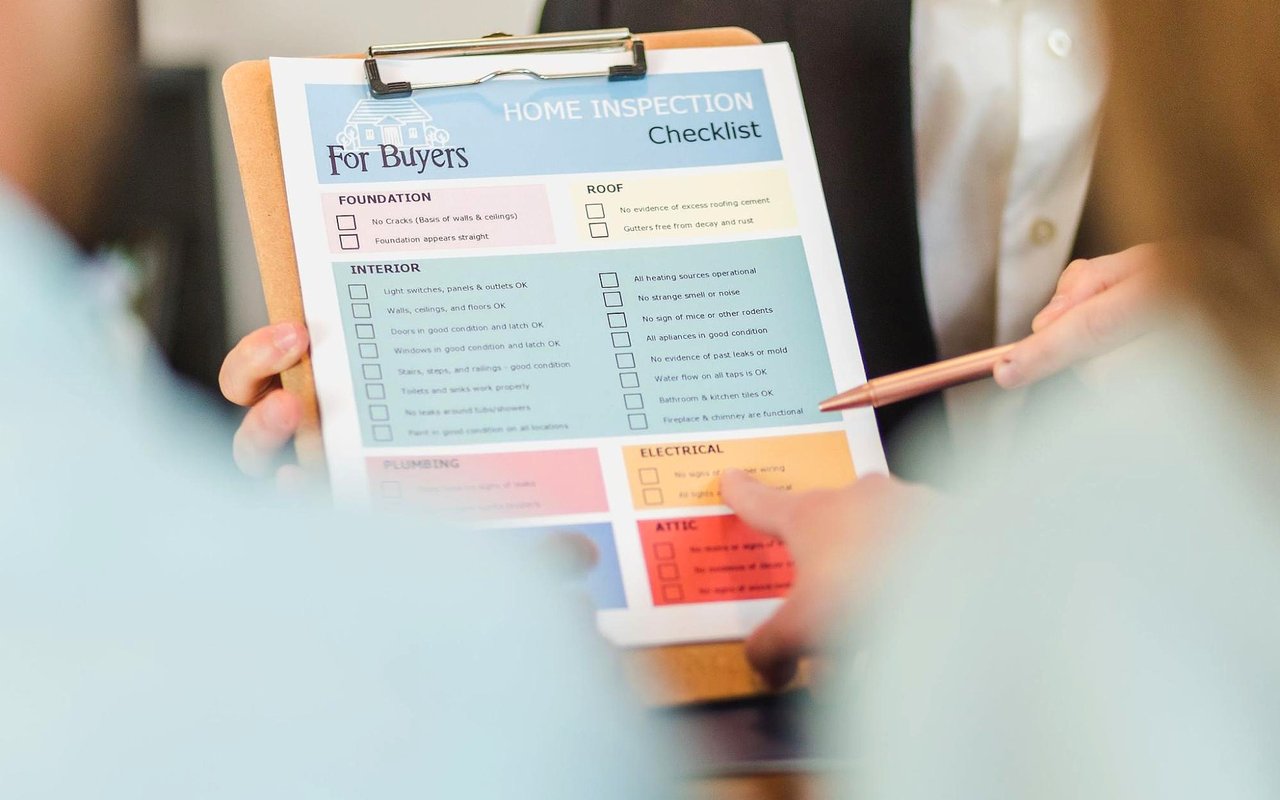
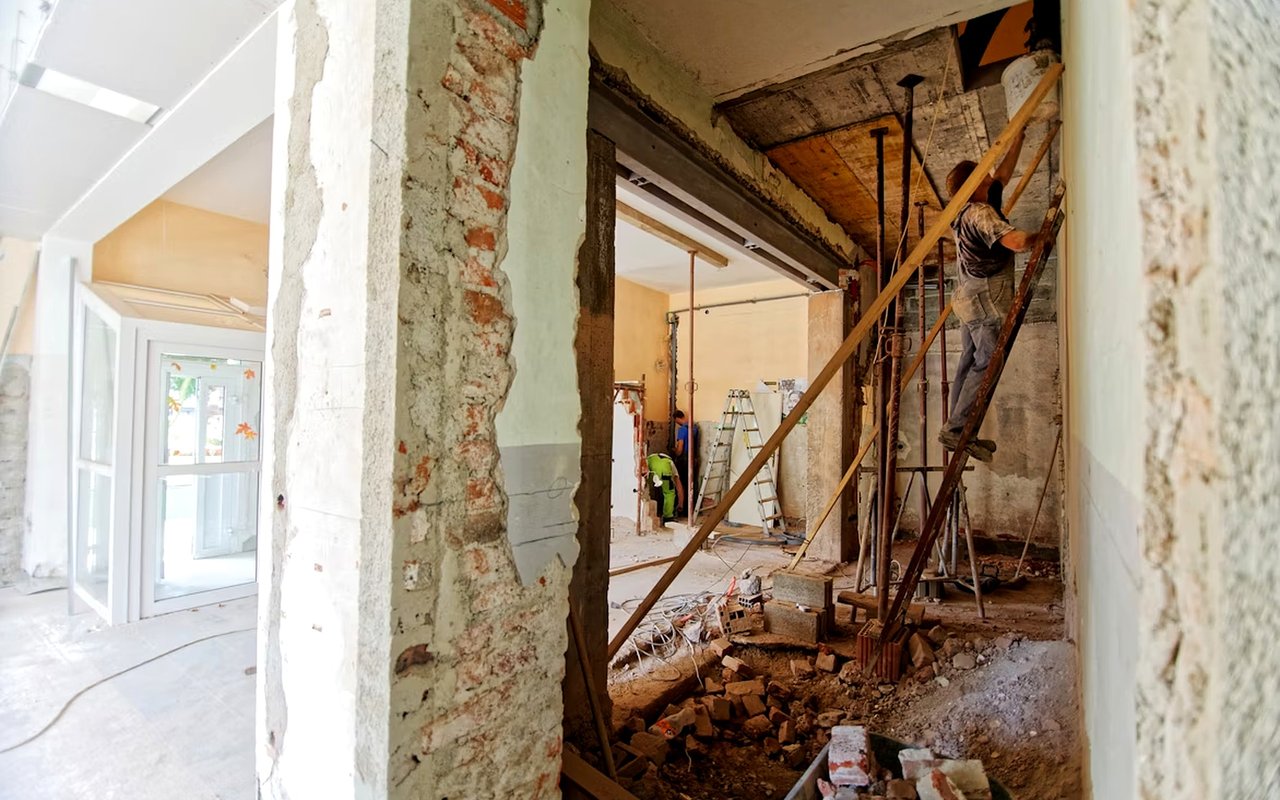
A thorough inspection by a professional who is experienced with older homes can uncover hidden opportunities and potential issues. From the foundation and roofing to old plumbing and electrical systems, understanding what needs attention allows you to budget realistically and prioritize any necessary improvements. The payoff is a living space that’s not just stunning but solid and stable.
A thorough inspection by a professional who is experienced with older homes can uncover hidden opportunities and potential issues. From the foundation and roofing to old plumbing and electrical systems, understanding what needs attention allows you to budget realistically and prioritize any necessary improvements. The payoff is a living space that’s not just stunning but solid and stable.
How to Assess a Historic Home
-
After your offer is accepted, hire an inspector who knows historic construction, as they’ll identify any issues others might miss and help you differentiate between cosmetic updates and crucial repairs.
-
Ask for documentation on any prior restorations, noting what’s been preserved, what’s been upgraded or enhanced, and what might still need your attention after moving in.
-
Consider the home’s original features—like windows, doors, and fireplaces—as both treasures and responsibilities that will reward your investment over time. Anticipate some level of ongoing care and repairs, and view these efforts as part of what makes living in a historic home so rewarding.
FAQs
What Makes a Home “Historic” in Greenville?
A home is generally considered historic if it’s at least 50 years old, maintains significant period features, and contributes to the overall character of a recognized district. The city may also have official designations that come with special guidelines.
What Should I Look for When Touring a Historic Home?
When touring a historic home, pay close attention to both the visible details and the underlying structure. Look for well-preserved architectural elements like original windows, moldings, and hardwood floors, but also assess the condition of essential systems, such as the roof, foundation, and wiring. Take note of any updates or restorations, and ask about maintenance routines or potential repairs that might be needed in the future.
Can I Make Modern Updates to a Historic Home?
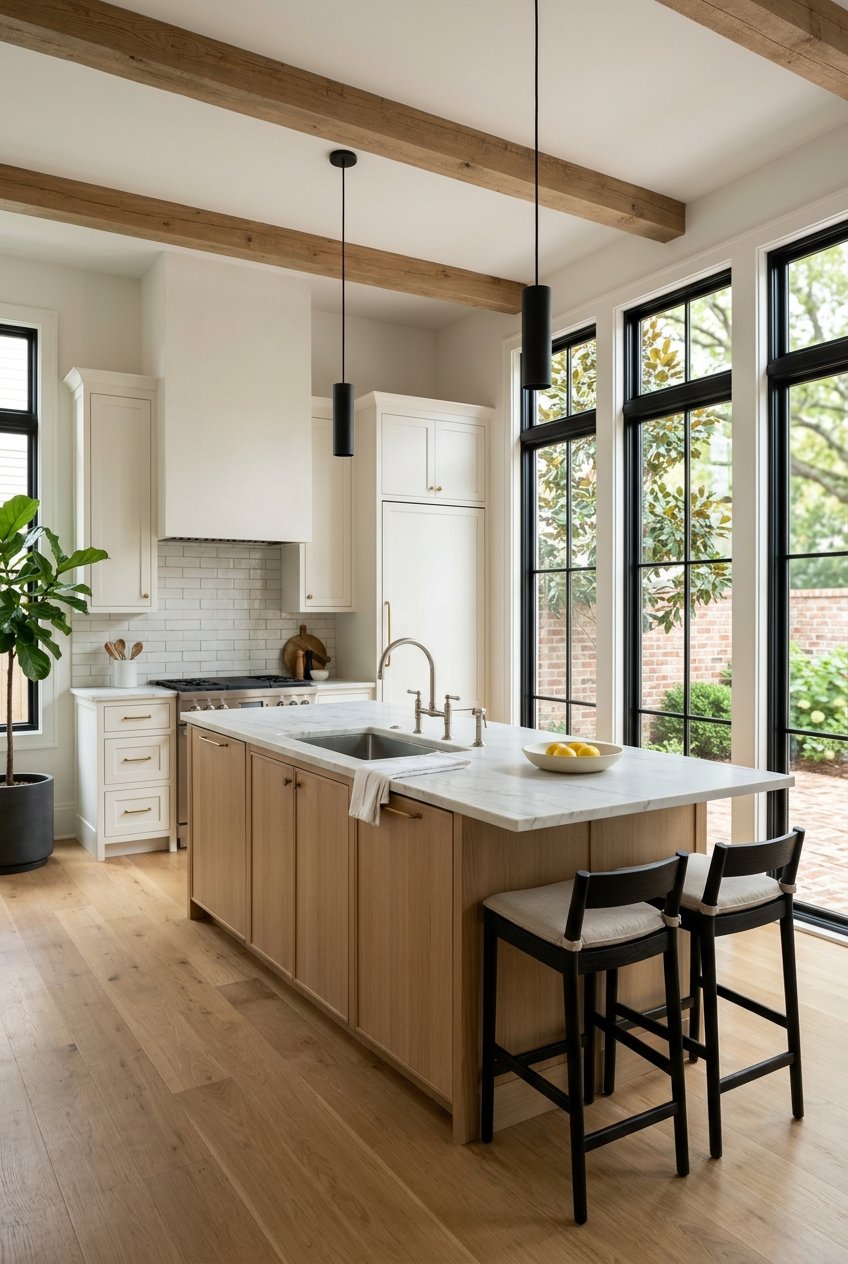
Yes, many homeowners successfully introduce modern amenities, such as updated kitchens, contemporary bathrooms, or new HVAC systems, while still honoring a property’s historic character. The key is to select design elements that complement original features. Consulting with experienced architects and contractors ensures that upgrades are both practical and respectful of the home’s history.
Make History: Start Your Greenville Adventure Today
Choosing a historic home in Downtown Greenville is more than a place to live; it’s an invitation to join a community with deep roots and a bright future. Dive in, discover, and make your mark in one of Greenville’s most cherished neighborhoods.
Ready to take the next step in your search for a historic home in Downtown Greenville? Email us at The Gallo Company for expert real estate guidance at every point. Whether you have questions about options, want to see listings, or need advice, our experienced team is here to help.
Ready to take the next step in your search for a historic home in Downtown Greenville? Email us at The Gallo Company for expert real estate guidance at every point. Whether you have questions about options, want to see listings, or need advice, our experienced team is here to help.