By The Gallo Company
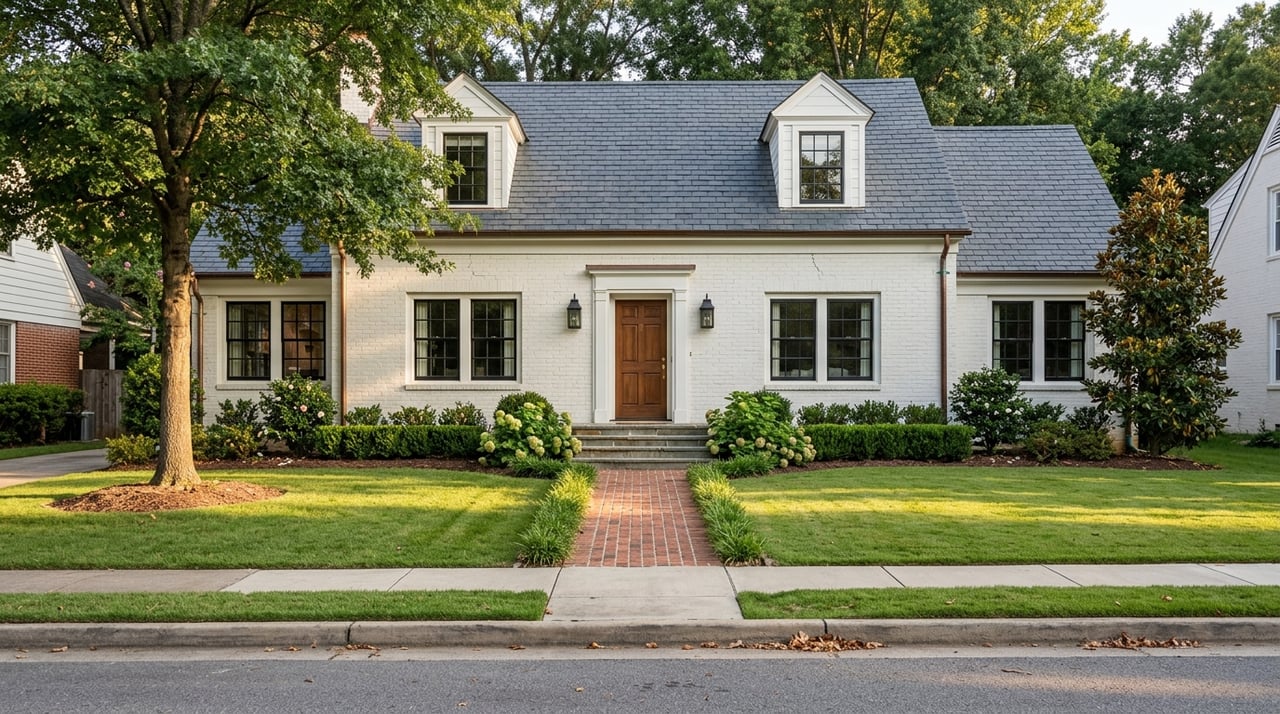
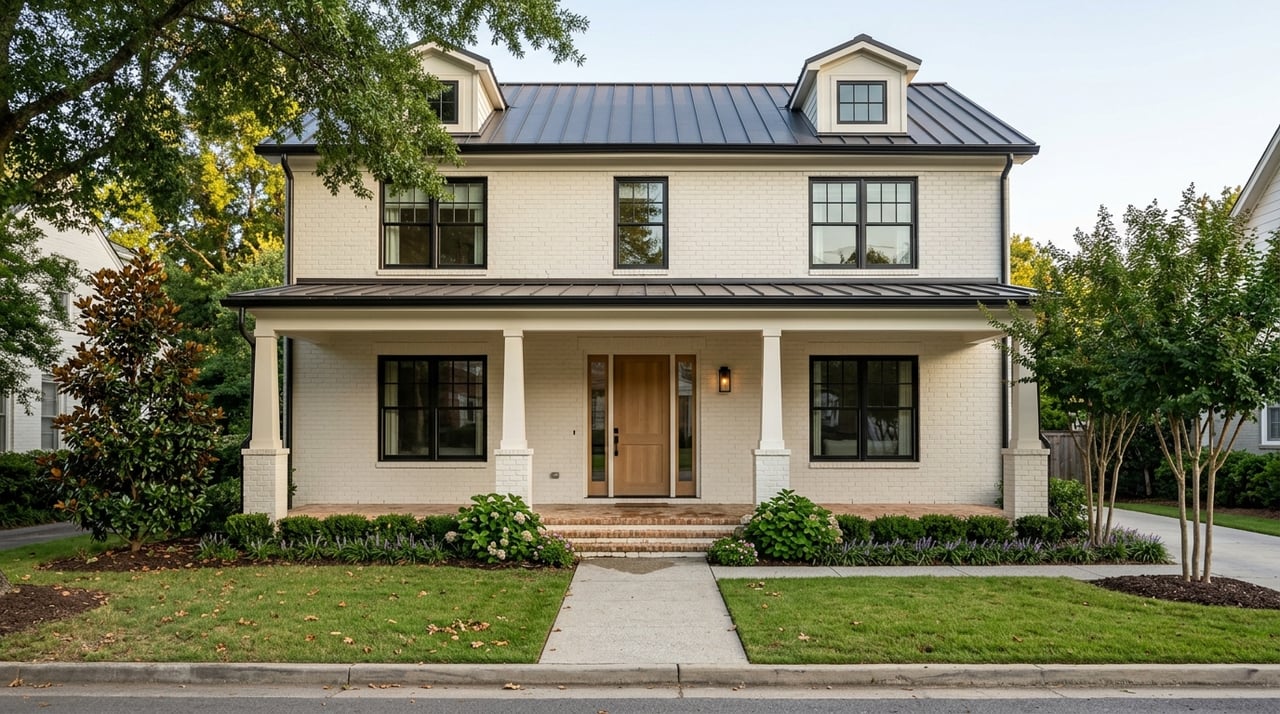
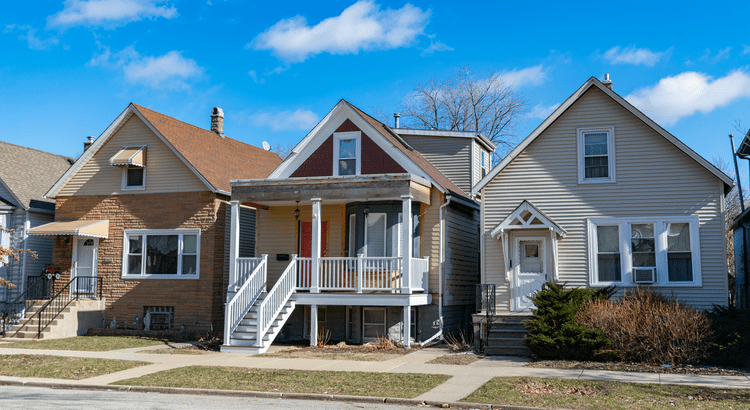
Downtown Greenville's historic homes are among the most sought-after properties in the entire Upstate South Carolina region. With their graceful proportions, original millwork, and layers of architectural detail accumulated over decades, these houses carry a sense of permanence and detail that newer construction simply cannot match. If you've purchased one of these properties or are considering it, you're stepping into something far more meaningful than a transaction; you're becoming a steward of a place with a story.
That said, owning a historic home comes with a particular creative responsibility. How do you honor the architectural integrity of a 1920s Craftsman bungalow or a Victorian-era foursquare while also making it feel current, livable, and genuinely yours? The answer lies in thoughtful historic home design, which isn't about preserving a museum or ignoring your own aesthetic preferences. It's about understanding what makes your home's bones special and building every design decision around that foundation.
This guide is for homeowners and buyers in Downtown Greenville who want to approach their historic home's interior with intention. Whether you're just moving in or revisiting a space you've lived in for years, the principles here will help you make choices that feel both authentic and alive.
Key Takeaways
- Understanding your home's architectural era and original style is the most important first step in any historic home design project.
- Original materials, such as hardwood floors, plaster walls, and wood trim, should be restored whenever possible rather than replaced with modern substitutes.
- Mixing period-appropriate furnishings with carefully selected contemporary pieces creates interiors that feel layered and personal rather than frozen in time.
- Lighting is one of the most transformative updates you can make in a historic home, and the right fixtures can honor your home's era while dramatically improving function.
- Color is one of the most powerful tools available for honoring your home's history, and period-accurate palettes are far more accessible than most homeowners realize.
Understand Your Home's Architectural Era
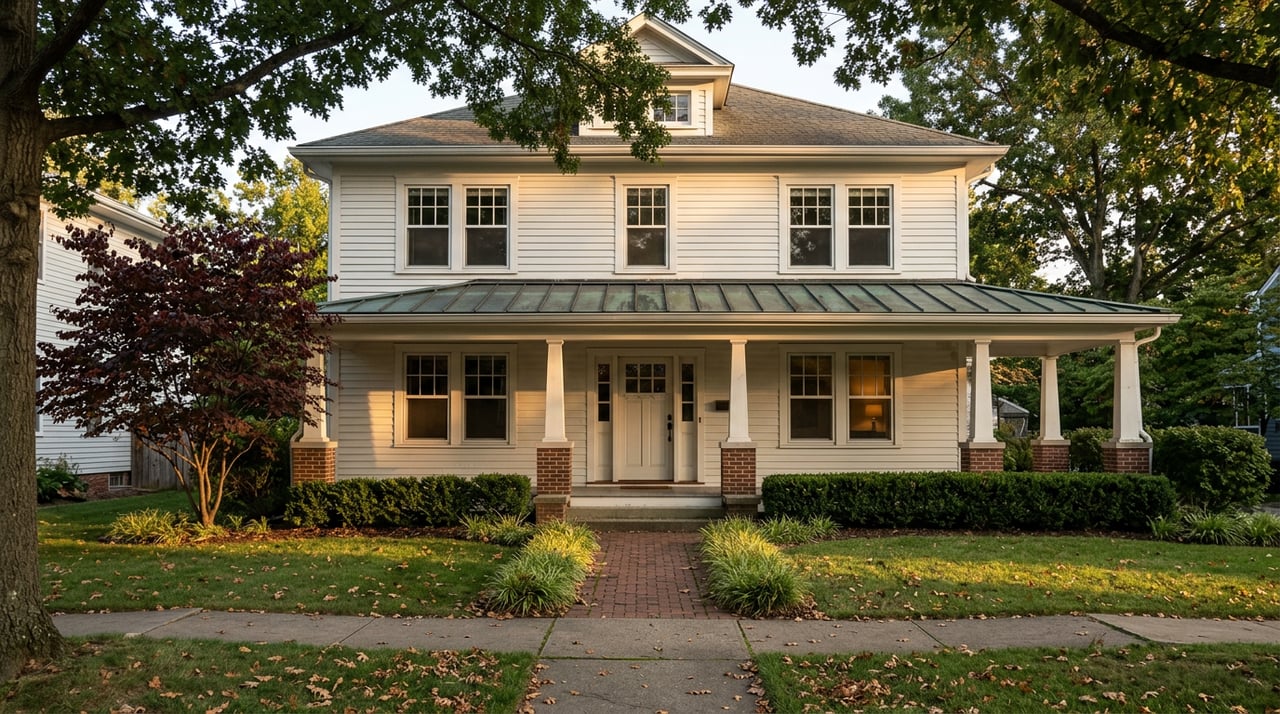
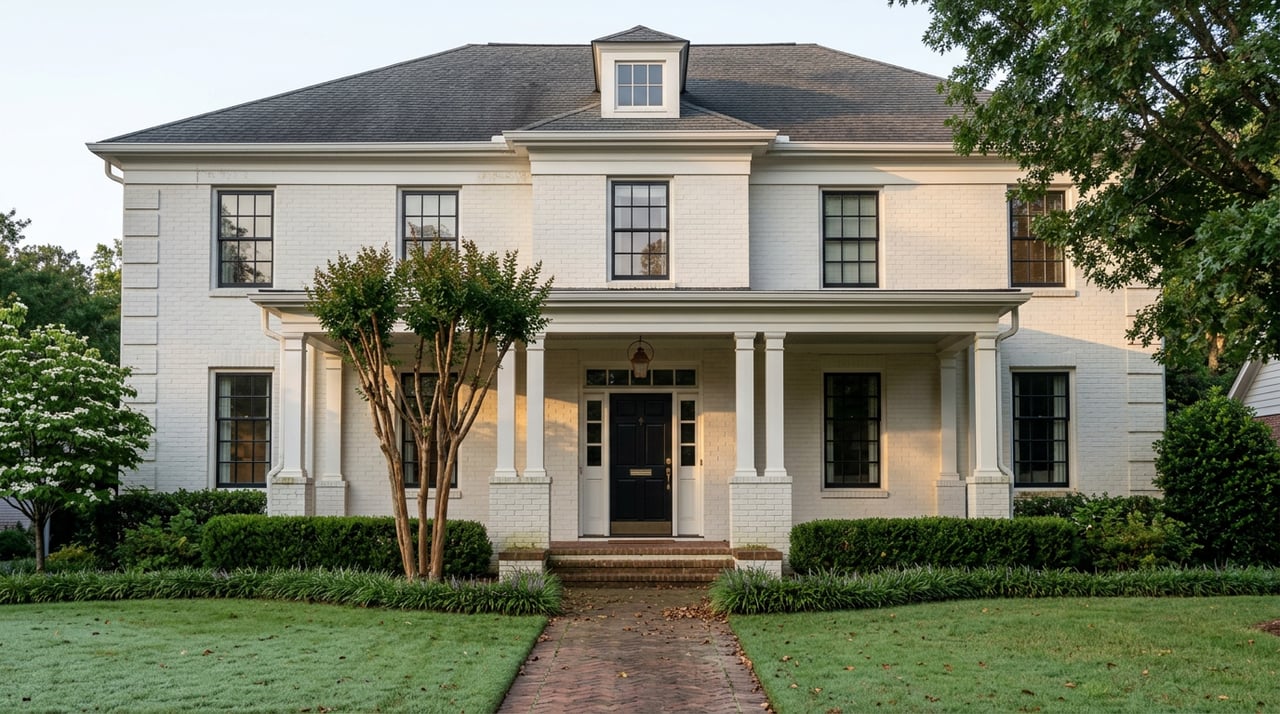
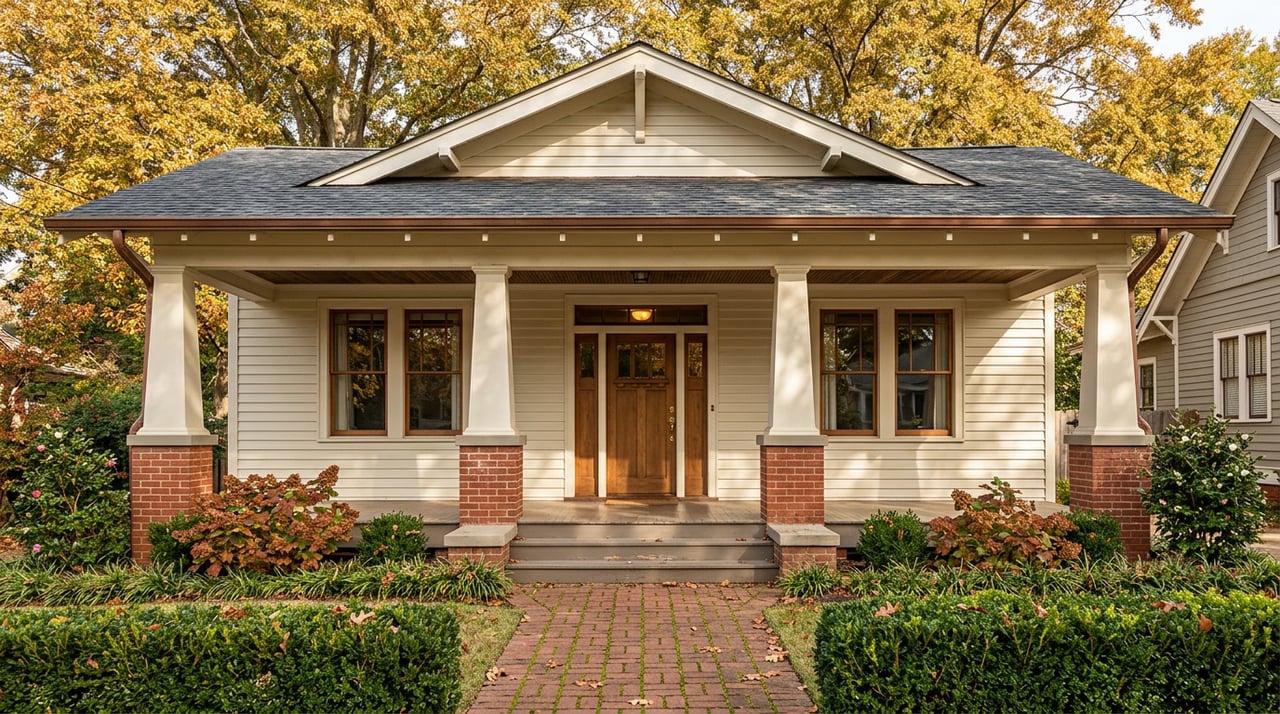
Before you choose a paint color or buy a single piece of furniture, it's worth investing time in understanding exactly what style of home you have. A Craftsman bungalow from the 1910s or 1920s, for example, has a fundamentally different design logic than a Colonial Revival from the 1940s or a Victorian-era cottage from the late 1800s.
Research is your best tool here. Start by looking at the year the home was built and identifying the dominant architectural style of that period. Pay attention to the details that are already present in your home: the shape of the windows, the profile of the door and window casings, the style of any built-in cabinetry or shelving, and the type of hardware used throughout. These elements are a direct record of the design intentions of the original builders, and they give you a clear starting point for every subsequent decision.
If your home is located within one of Downtown Greenville's historic districts, there may also be local preservation guidelines that govern certain exterior and sometimes interior changes. Getting familiar with those early in the process will save you considerable frustration later. After all, your home's architectural character is one of its most valuable assets.
Research is your best tool here. Start by looking at the year the home was built and identifying the dominant architectural style of that period. Pay attention to the details that are already present in your home: the shape of the windows, the profile of the door and window casings, the style of any built-in cabinetry or shelving, and the type of hardware used throughout. These elements are a direct record of the design intentions of the original builders, and they give you a clear starting point for every subsequent decision.
If your home is located within one of Downtown Greenville's historic districts, there may also be local preservation guidelines that govern certain exterior and sometimes interior changes. Getting familiar with those early in the process will save you considerable frustration later. After all, your home's architectural character is one of its most valuable assets.
Factors to Research Before Starting Any Design Work
- The original construction date and architectural style of your home can often be confirmed through Greenville County property records or the local historic preservation office. Having this information in hand before you begin gives every subsequent design decision a clear historical foundation to build from.
- The names and profiles of the original molding and trim styles present in your home are worth documenting, since replicating or complementing these during any repair or addition is essential to maintaining visual coherence. A simple visit from a preservation consultant can identify these details quickly and give you a vocabulary for communicating them to contractors.
- Any previous alterations made by former owners are worth identifying and evaluating before you begin new work, since some changes may have compromised original features worth recovering. Knowing what's original versus what was added later helps you prioritize where to invest your restoration efforts.
Restoring Original Materials Is Always Worth It
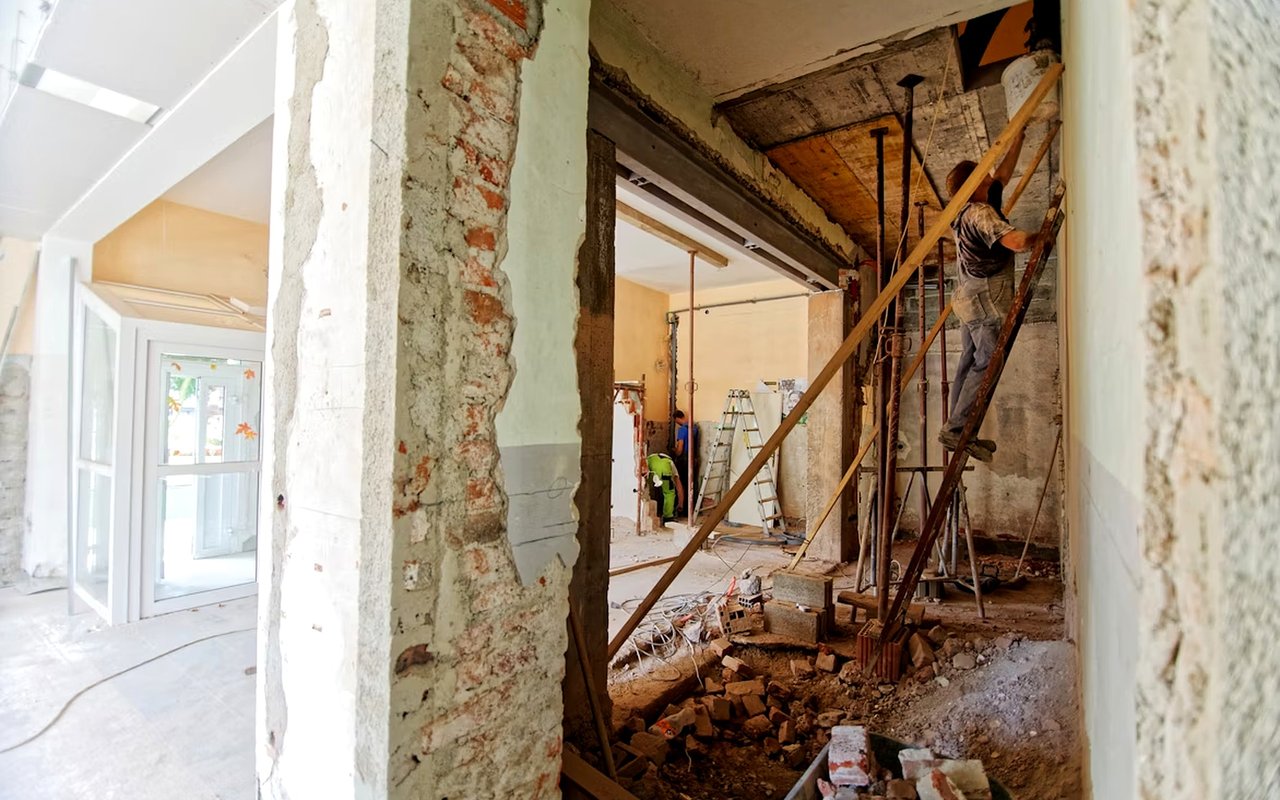
One of the most common missteps homeowners take in historic properties is covering up or removing original materials in favor of easier or less expensive modern alternatives. This is understandable; old hardwood floors with gaps and discoloration can look rough, and plaster walls with hairline cracks can feel like a burden. But the original materials in a well-built historic home are almost always superior in quality to what you would replace them with, and restoring them adds far more value, both financial and aesthetic, than starting over.
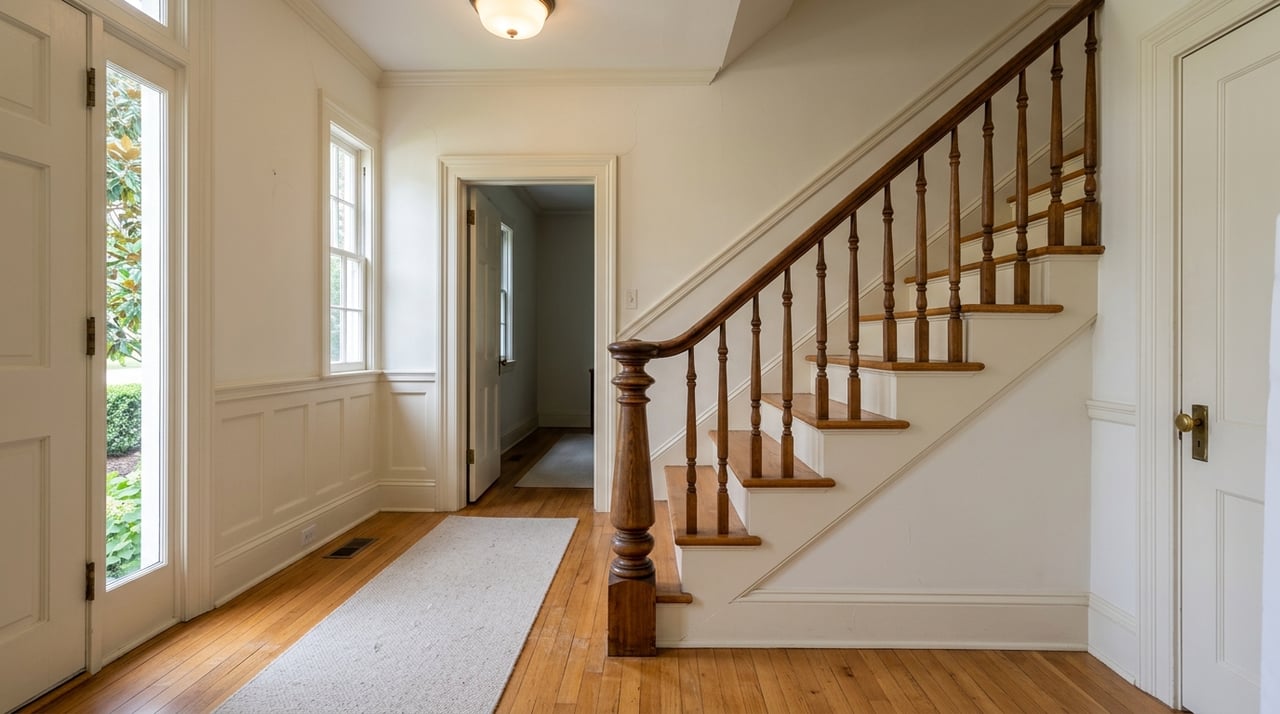
Original hardwood floors are one of the clearest examples of this principle. Wide-plank heart pine or oak floors that have been worn smooth over a century can be sanded, stained, and sealed to look extraordinary. The patina and grain variation in old-growth wood are qualities that no modern engineered product can reproduce. Similarly, plaster walls, while more fragile than drywall, have a density and acoustic quality that give historic rooms a sense of solidity and calm that modern construction rarely achieves.
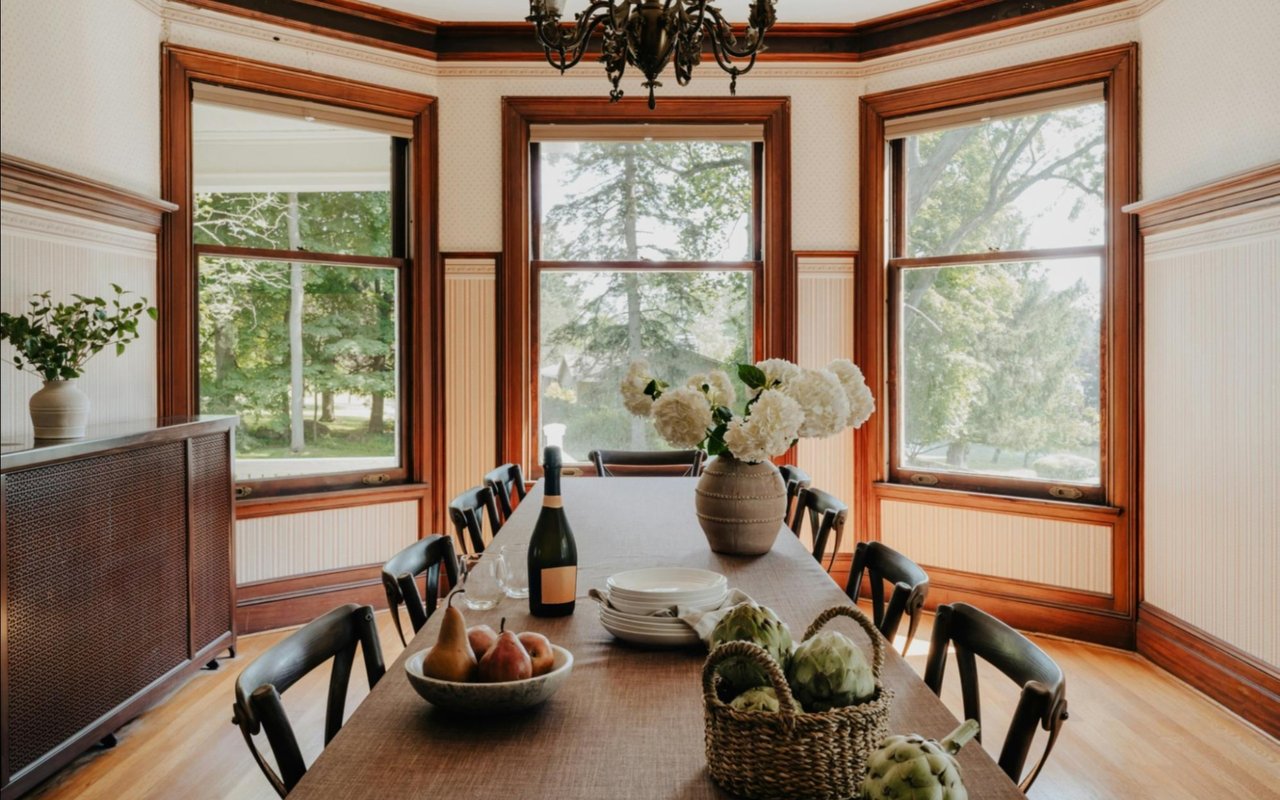
The same logic applies to original woodwork, including door casings, window surrounds, baseboards, crown molding, and built-ins. Even if layers of paint have obscured the detail, stripping and refinishing original millwork often reveals details of remarkable quality. When original materials must be replaced due to damage beyond repair, seek out salvage yards and specialty suppliers who carry period-appropriate alternatives. Taking shortcuts here will be visible in the finished result for as long as you own the home.
Original hardwood floors are one of the clearest examples of this principle. Wide-plank heart pine or oak floors that have been worn smooth over a century can be sanded, stained, and sealed to look extraordinary. The patina and grain variation in old-growth wood are qualities that no modern engineered product can reproduce. Similarly, plaster walls, while more fragile than drywall, have a density and acoustic quality that give historic rooms a sense of solidity and calm that modern construction rarely achieves.
The same logic applies to original woodwork, including door casings, window surrounds, baseboards, crown molding, and built-ins. Even if layers of paint have obscured the detail, stripping and refinishing original millwork often reveals details of remarkable quality. When original materials must be replaced due to damage beyond repair, seek out salvage yards and specialty suppliers who carry period-appropriate alternatives. Taking shortcuts here will be visible in the finished result for as long as you own the home.
Original Features Worth Preserving at All Costs
- Hardwood floors of any species, particularly wide-plank heart pine, quarter-sawn oak, and fir, were common in Downtown Greenville homes built before 1950 and carry a visual warmth that modern flooring cannot replicate. Even floors that appear beyond saving can often be restored with professional sanding and refinishing, revealing grain and color depth that has simply been buried under decades of use.
- Original plaster walls and ceilings can be repaired by a skilled plasterer and should be protected from demolition whenever structurally possible. Beyond their aesthetic quality, plaster walls offer superior sound dampening and thermal mass compared to drywall replacements, making restoration a practical as well as a design investment.
- Built-in cabinetry, bookshelves, window seats, and buffets were often custom-designed for the specific dimensions of the space and are nearly impossible to replicate convincingly with new construction. Losing these features removes a defining element of the home's identity.
- Original fireplace surrounds, mantels, and hearth tiles are among the most architecturally distinctive elements in any historic interior, even if the fireplaces themselves are no longer functional. Restoring or conserving these features rather than enclosing or replacing them preserves one of the most emotionally resonant focal points a room can have.
- Period hardware on doors, windows, and cabinetry, including mortise locks, porcelain knobs, brass hinges, and sash lifts, can often be restored or sourced through architectural salvage dealers. Keeping or replacing like-for-like ensures that the smallest details of your home remain consistent with its overall character.
Furnishing a Historic Home: Mixing Eras With Intention
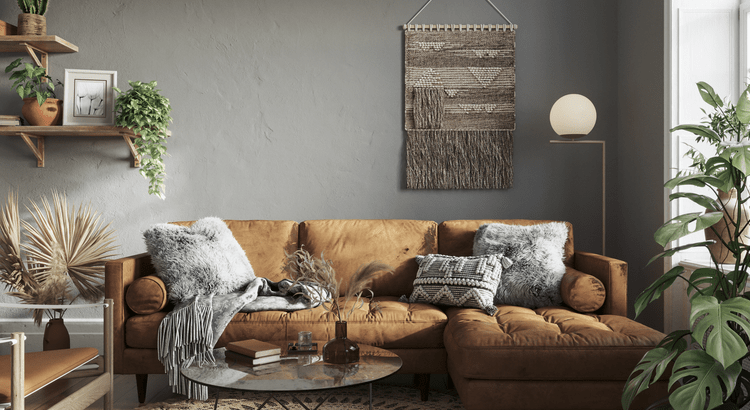
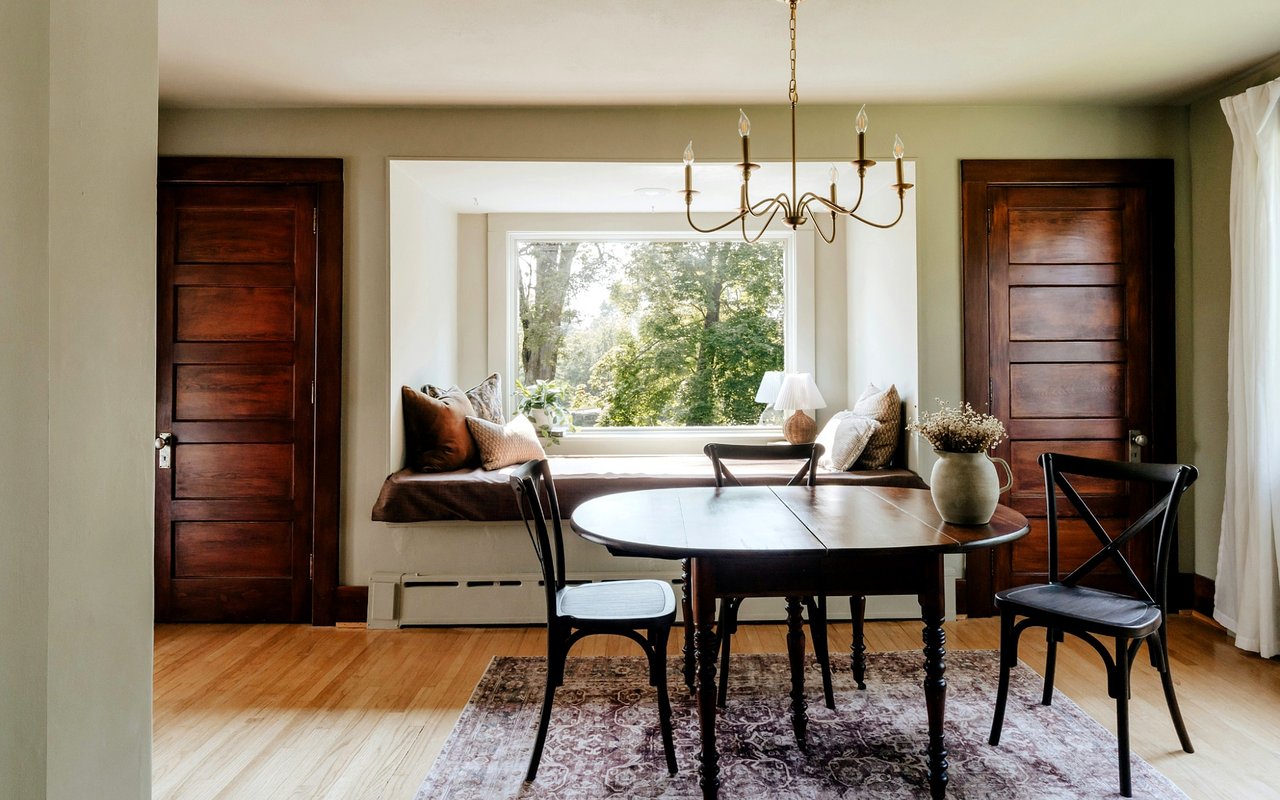
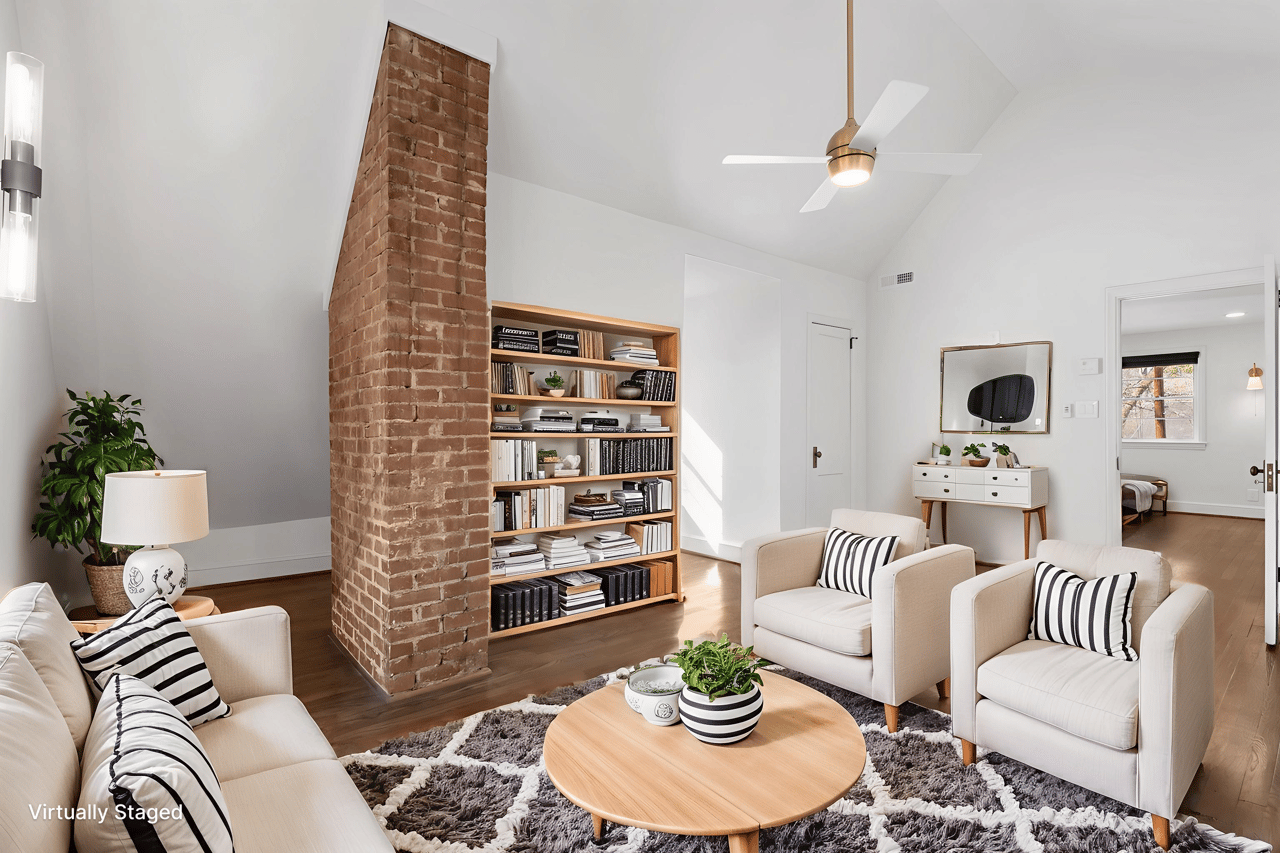
There is a common misconception that decorating a historic home requires filling every room with period-appropriate antiques and avoiding anything contemporary. In reality, the most successful historic home interiors tend to be thoughtfully curated combinations of old and new. A Craftsman living room with its original built-ins, beam ceiling, and brick fireplace can absolutely accommodate a clean-lined modern sofa; what matters is that the contemporary pieces are chosen with the architecture in mind and that they earn their place in the room.
The key is proportion and materiality. Historic homes tend to have rooms with generous ceiling heights, substantial trim profiles, and a sense of charm that sets a high standard for everything brought inside. Furniture that is too visually lightweight, too mass-produced in character, or too contemporary in aesthetic can look out of place against that backdrop. Look for pieces with honest materials, solid construction, and a design that doesn't compete with the architectural details already present in the room.
Antiques and vintage furniture are natural partners for historic interiors, but they don't need to match the exact era of the home to work well. A mid-century credenza in a 1930s bungalow can look intentional and sophisticated if it's placed thoughtfully. Area rugs are one of the most powerful tools for grounding a room and adding warmth. The goal is a home that feels curated and personal, not like a period exhibit.
The key is proportion and materiality. Historic homes tend to have rooms with generous ceiling heights, substantial trim profiles, and a sense of charm that sets a high standard for everything brought inside. Furniture that is too visually lightweight, too mass-produced in character, or too contemporary in aesthetic can look out of place against that backdrop. Look for pieces with honest materials, solid construction, and a design that doesn't compete with the architectural details already present in the room.
Antiques and vintage furniture are natural partners for historic interiors, but they don't need to match the exact era of the home to work well. A mid-century credenza in a 1930s bungalow can look intentional and sophisticated if it's placed thoughtfully. Area rugs are one of the most powerful tools for grounding a room and adding warmth. The goal is a home that feels curated and personal, not like a period exhibit.
Furnishing Principles for Historic Home Design
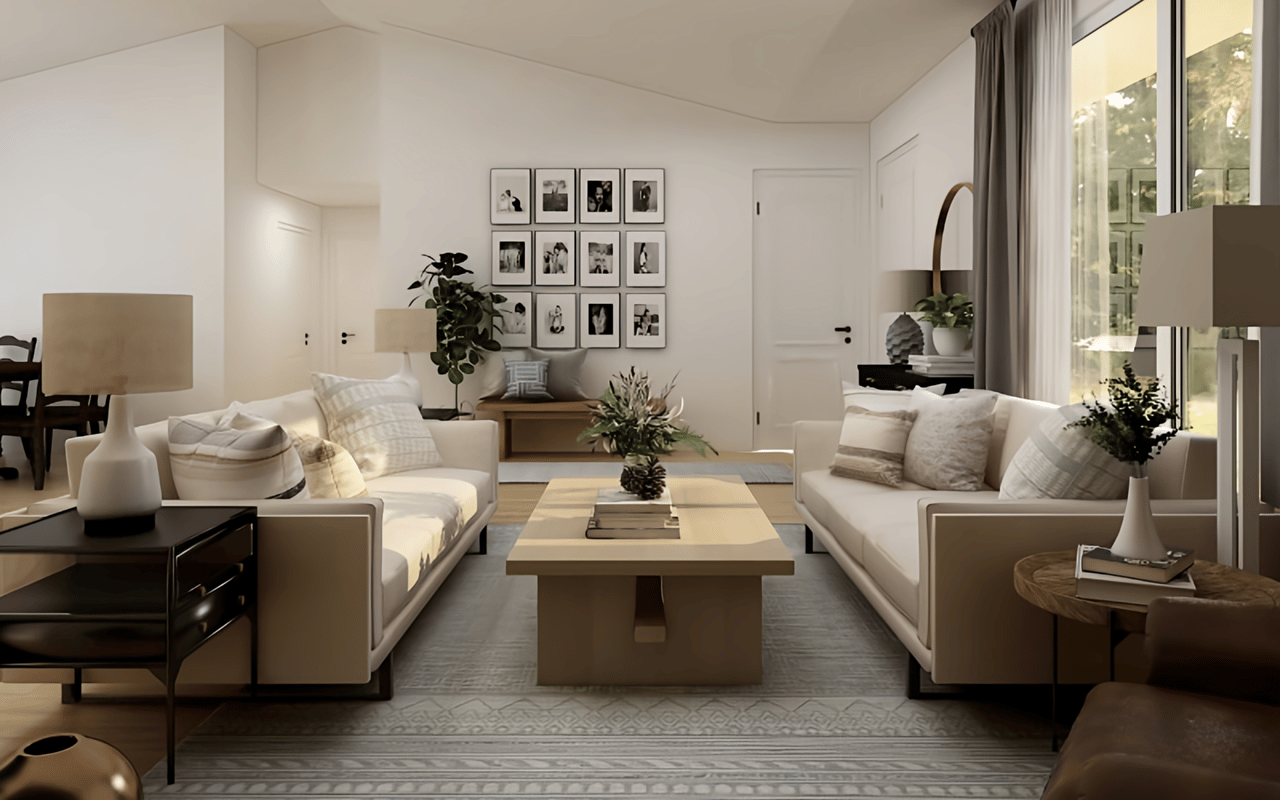
- Sofas and upholstered pieces with tight, tailored profiles and natural fabric upholstery, such as linen, cotton, velvet, or wool, tend to read as more compatible with historic architecture than overstuffed or synthetic alternatives. Natural textiles also age gracefully and develop a patina over time that feels consistent with a home that values authenticity and quality over trendiness.
- Antiques and vintage pieces work best when used as anchors in key positions within a room, such as a nineteenth-century chest serving as a media console or an Arts and Crafts dining table as the centerpiece of a formal dining room. Layering in contemporary accessories and art around these anchors creates a collected, lived-in quality that purely period or purely modern rooms rarely achieve.
- Area rugs with traditional patterns and natural fibers, such as wool or cotton, have a timeless quality that works across multiple architectural eras without calling undue attention to themselves. Sizing matters as much as pattern; a rug that's too small for the room will look like an afterthought against the strong architectural presence of original flooring and trim.
- Built-in furniture systems that permanently alter historic walls or eliminate original architectural features should be avoided, since preserving those features gives you flexibility and protects your home's long-term value. When storage or functional built-ins are needed, working with a carpenter who specializes in period joinery ensures that new additions blend seamlessly rather than announcing themselves as modern interventions.
- The room's architectural details should guide scale at every turn; rooms with high ceilings and substantial trim profiles can handle larger, more imposing furniture, while smaller rooms benefit from more restrained proportions. Getting scale right is what separates a historic interior that feels balanced and intentional from one that feels cluttered or sparse despite containing beautiful individual pieces.
FAQs
What Does “Historic Home Design” Mean in Practice?
Historic home design refers to the approach of making interior design decisions that respect and reinforce the original architectural character of an older home. In practice, this means understanding the style and era of the home, preserving original materials wherever possible, selecting furnishings and finishes that are compatible with the architecture, and making updates that improve function and livability without erasing the qualities that make the home distinctive.
Can I Update a Historic Home's Kitchen or Bathrooms Without Compromising Its Character?
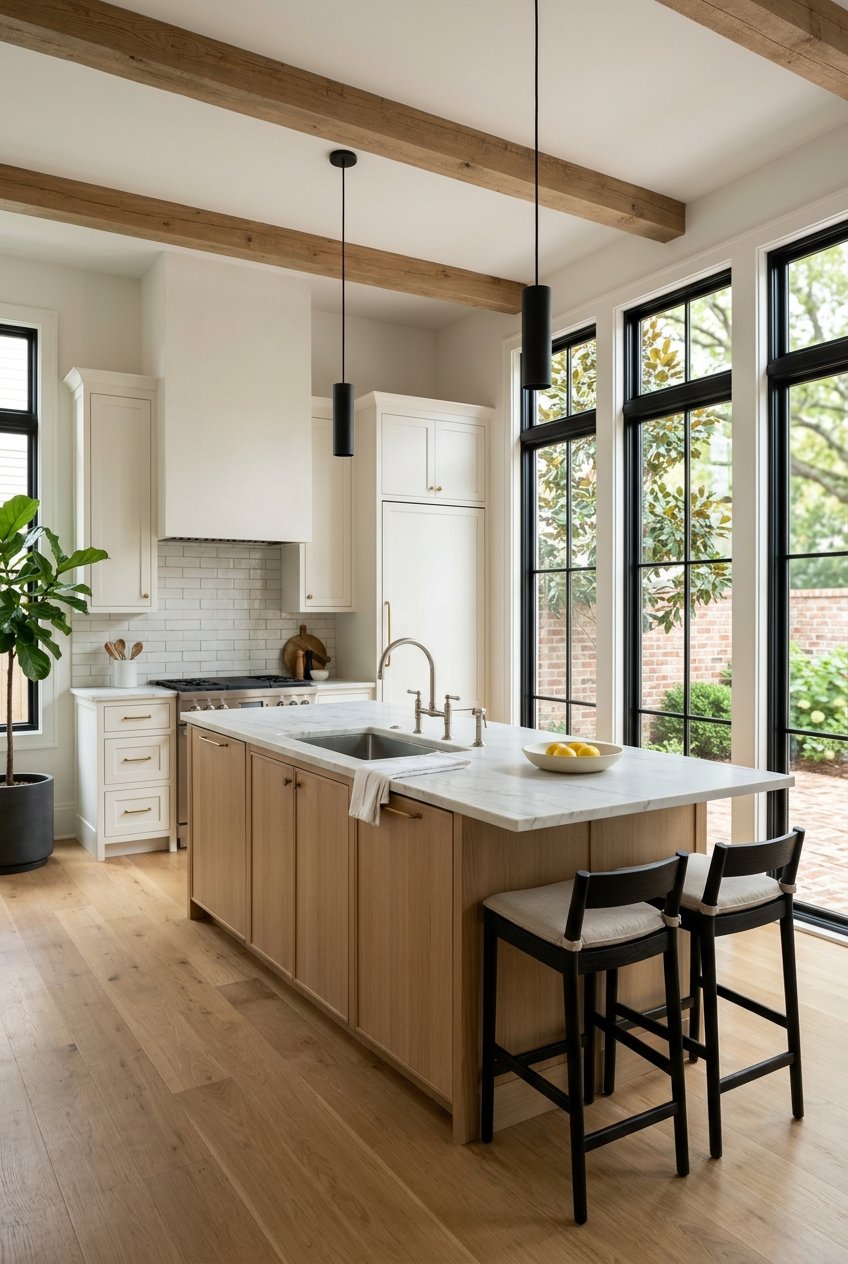
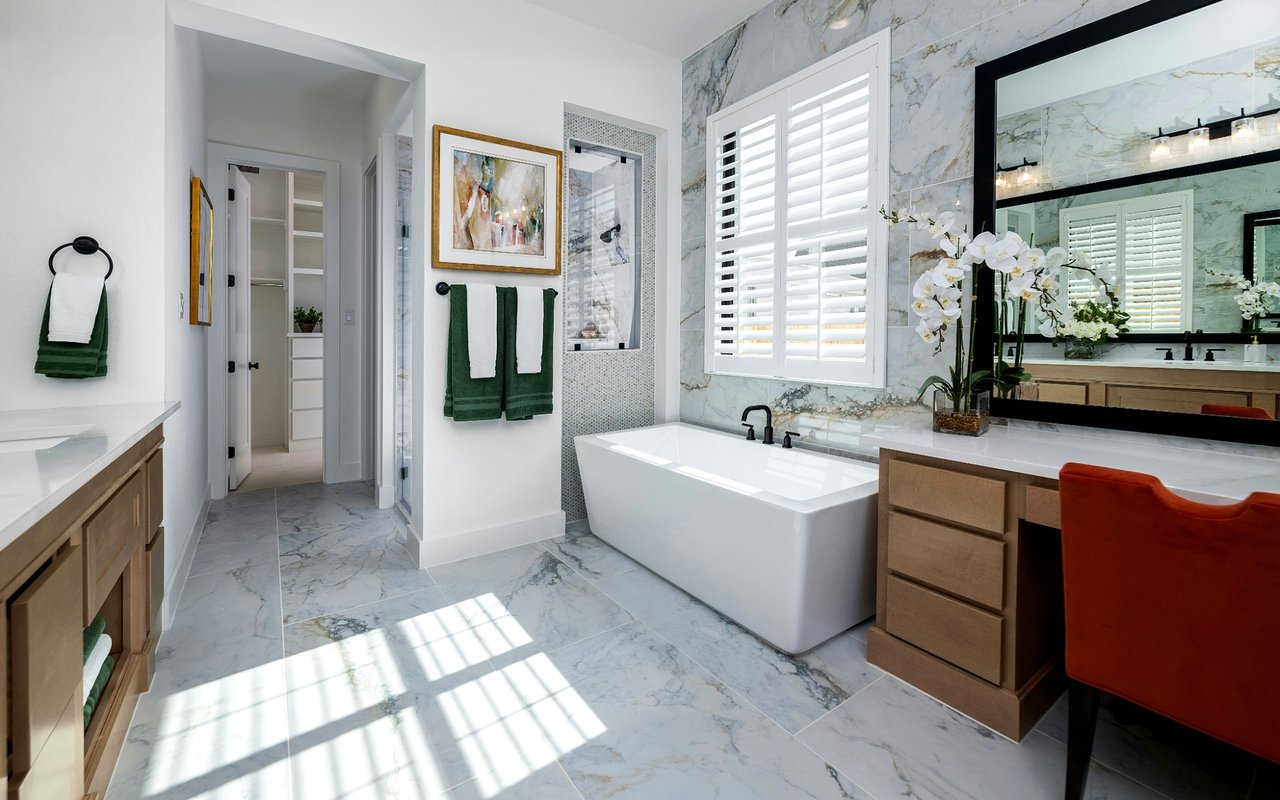
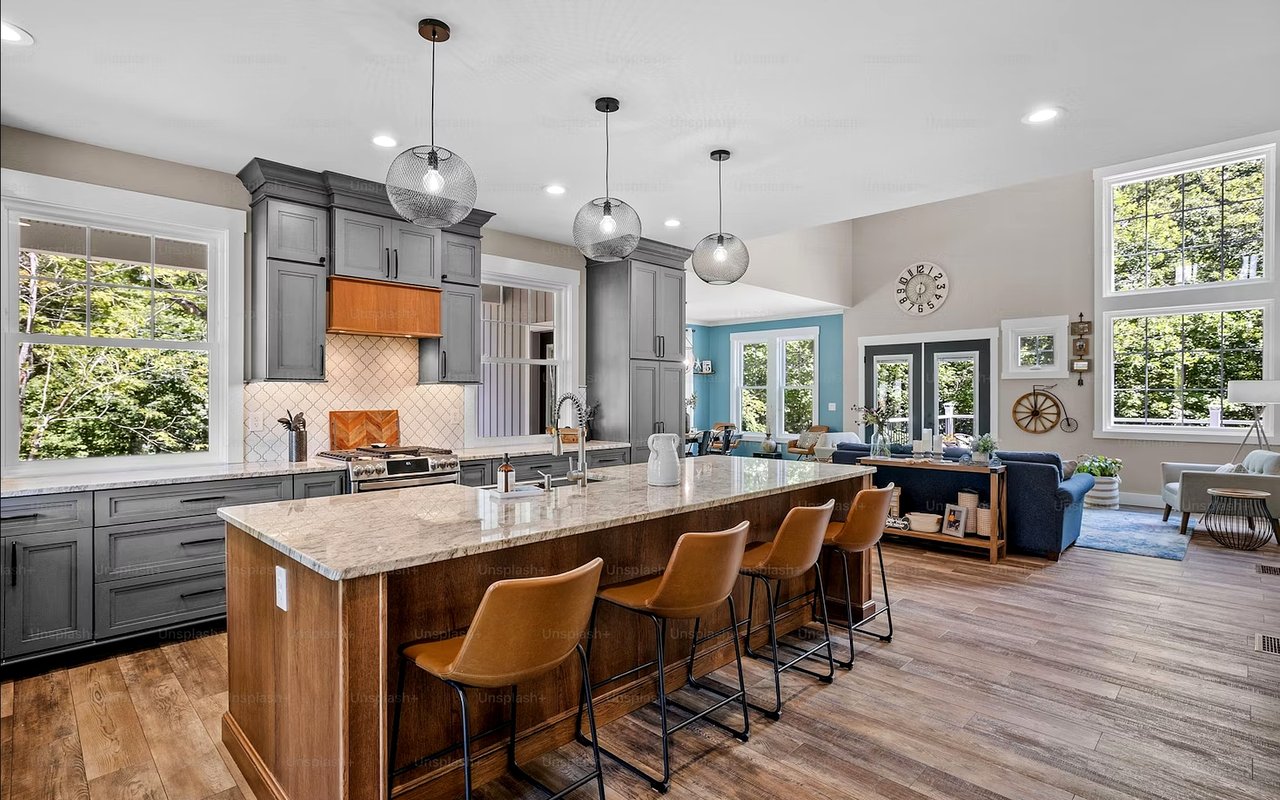
Yes, and it's one of the most common questions historic homeowners face. Kitchens and bathrooms in older homes often need significant updates for function and comfort, but they can absolutely be updated in ways that feel consistent with the home's character. The key is to avoid materials and fixtures that look too contemporary or that eliminate original details. Subway tile, shaker-style cabinetry, apron-front sinks, hex tile floors, and unlacquered brass or nickel fixtures all work beautifully in historic kitchens and bathrooms. Keeping existing layouts whenever possible also helps preserve the spatial integrity of the original floor plan.
Your Historic Home Deserves Design That Matches Its Legacy
Downtown Greenville's historic homes are remarkable places, and the decisions you make about their interiors have lasting consequences. Approached thoughtfully, historic home design is one of the most rewarding creative endeavors a homeowner can undertake; it rewards curiosity, requires patience, and produces results that have a depth and character that newer interiors rarely achieve. The architecture is already there, waiting for you to build on it.
Whether you're navigating the details of a single room refresh or planning a full-scale renovation, the principles remain the same: understand the home's story, protect what's original, and make every new addition worthy of the space it joins. Our team at The Gallo Company would love to help you find your place in Downtown Greenville's historic housing market.
Whether you're navigating the details of a single room refresh or planning a full-scale renovation, the principles remain the same: understand the home's story, protect what's original, and make every new addition worthy of the space it joins. Our team at The Gallo Company would love to help you find your place in Downtown Greenville's historic housing market.