Wondering whether a condo or a townhome makes more sense in Greenville’s West End? You are not alone. In one of Greenville’s most walkable and in-demand areas, the choice often comes down to how you want to live day to day, how much maintenance you want to handle, and what kind of ownership structure best fits your goals. This guide will help you compare the two clearly, so you can move forward with confidence. Let’s dive in.
Why West End Buyers Compare These Two
Greenville’s West End is an official historic district established in 1993. It is also closely connected to some of downtown’s best-known destinations, including Falls Park, Fluor Field, restaurants, and the Swamp Rabbit Trail.
That setting shapes what many buyers want here. In the West End, attached homes are popular because they put you close to the action and support a more walkable, car-light lifestyle. For many buyers, the decision is less about having a large yard and more about balancing convenience, privacy, maintenance, and layout.
Condo vs. Townhome Basics in South Carolina
Before you compare floor plans, it helps to understand a key point in South Carolina real estate: a condo is a legal form of ownership, while a townhome is often a style description. Those are not always the same thing.
Under South Carolina law, a condominium gives you exclusive ownership or possession of your unit along with an undivided share in the common elements. The condominium declaration also assigns each unit’s share of common elements, common expenses, and voting rights.
Townhomes can be different. In practice, a West End townhome may be a true townhouse in a planned community, a condo-townhouse hybrid, or even a townhome-style condo. That means the exterior look alone does not tell you exactly what you are buying.
Why Legal Structure Matters
This distinction affects more than paperwork. It can shape how maintenance works, what the HOA or regime fee covers, what insurance may be handled at the community level, and how future buyers may evaluate the property.
If you are comparing options in the West End, one of the smartest moves is to verify the recorded declaration, deed language, and HOA documents before you assume a property functions like a traditional condo or a traditional townhome.
What Condos Usually Offer in the West End
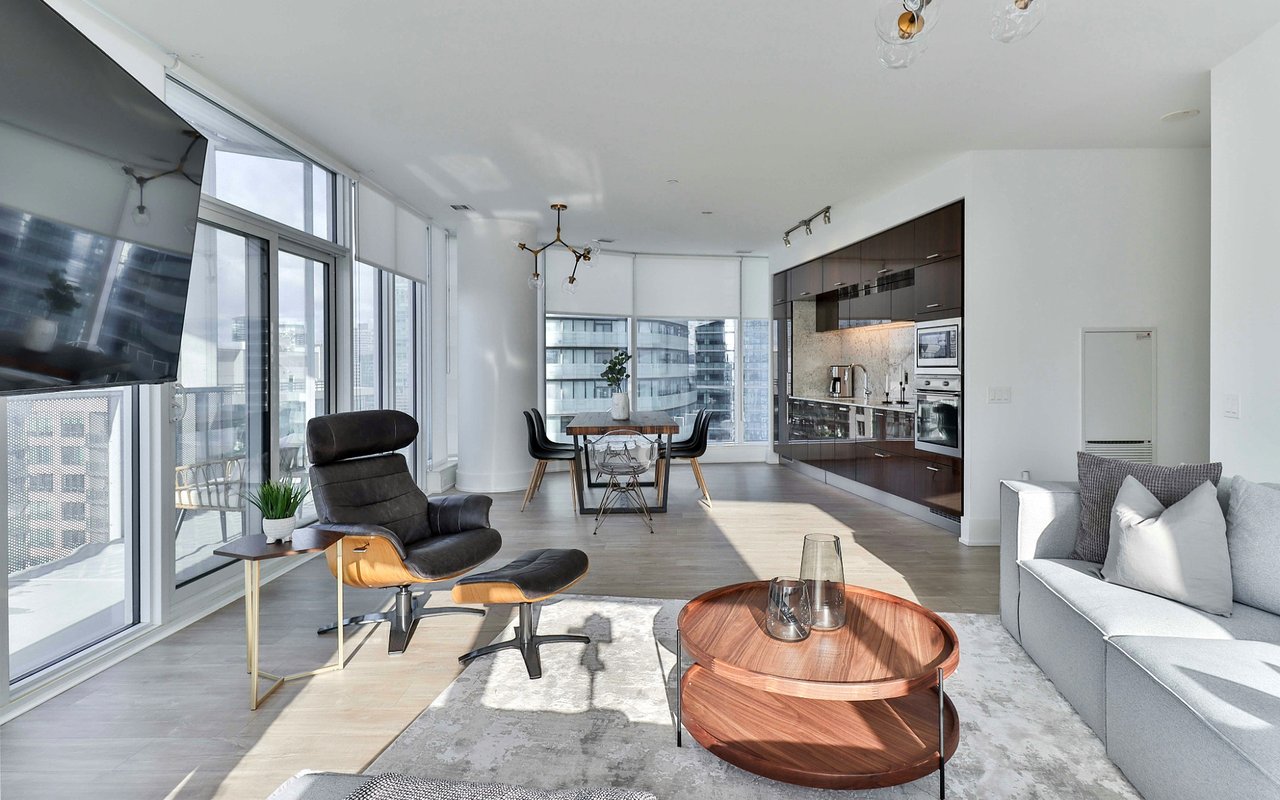
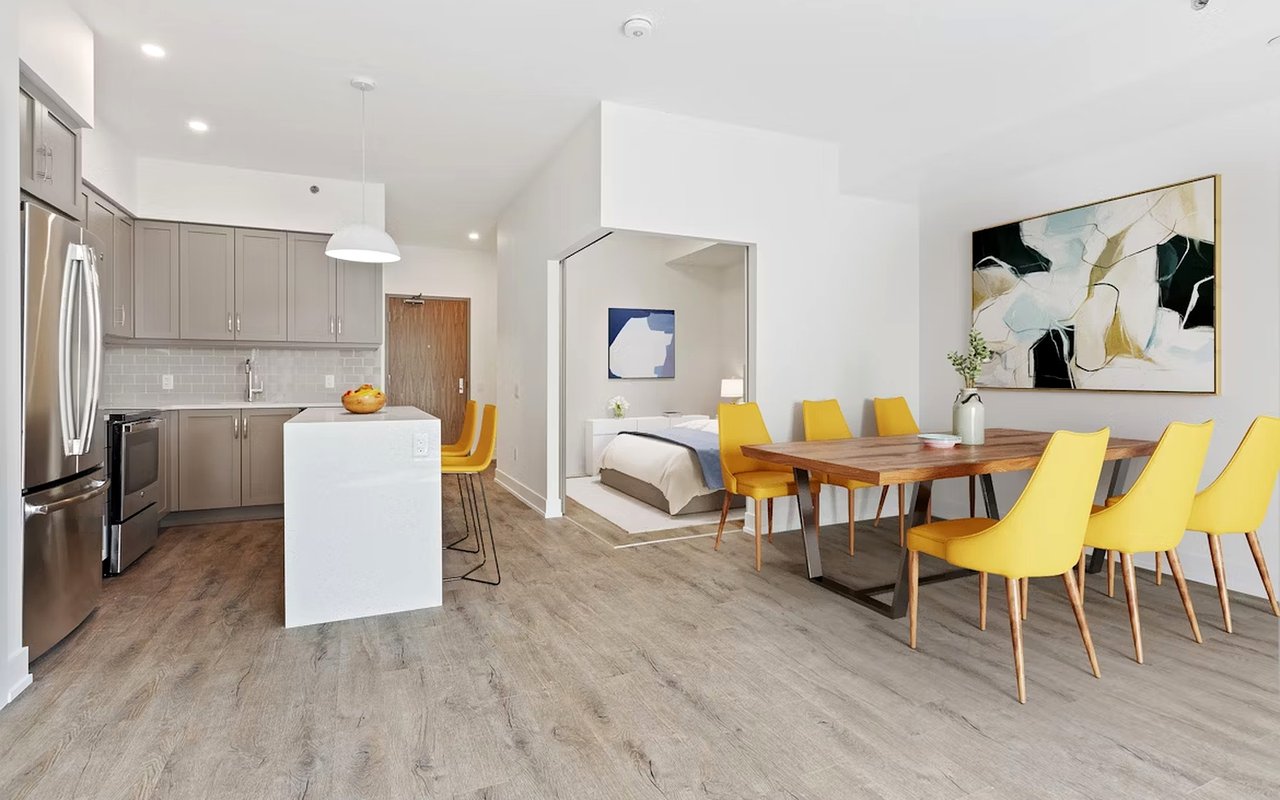
West End condos often focus on shared systems, building services, and convenience. That can be a strong fit if you want simpler ownership and fewer hands-on responsibilities.
Typical condo features in this area may include:
- Secure or coded entry
- Elevators
- Bike storage
- Covered or underground parking
- Shared courtyards
- HOA-covered exterior maintenance
- HOA-covered water and trash
- Building-level insurance or common-area expenses
This setup often appeals to buyers who want a lock-and-leave lifestyle. If you travel often, prefer one-level living, or want to minimize exterior upkeep, a condo may feel like the easier fit.
Condo Tradeoffs to Expect
The biggest advantage of condo living is predictability. Exterior upkeep, common-area care, and many building-related tasks are often handled through the regime fee.
The tradeoff is that condo living usually comes with more shared infrastructure and more community rules. You may also have less private outdoor space and less of a detached-home feel.
What Townhomes Usually Offer in the West End
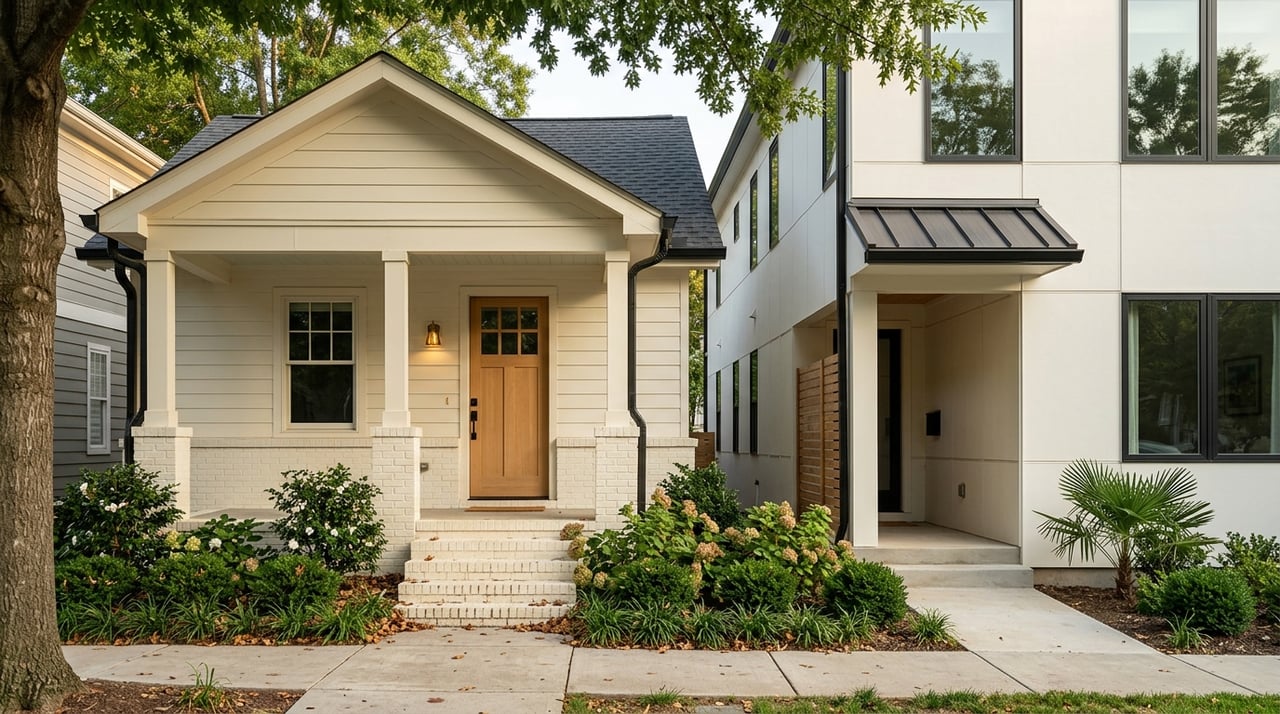
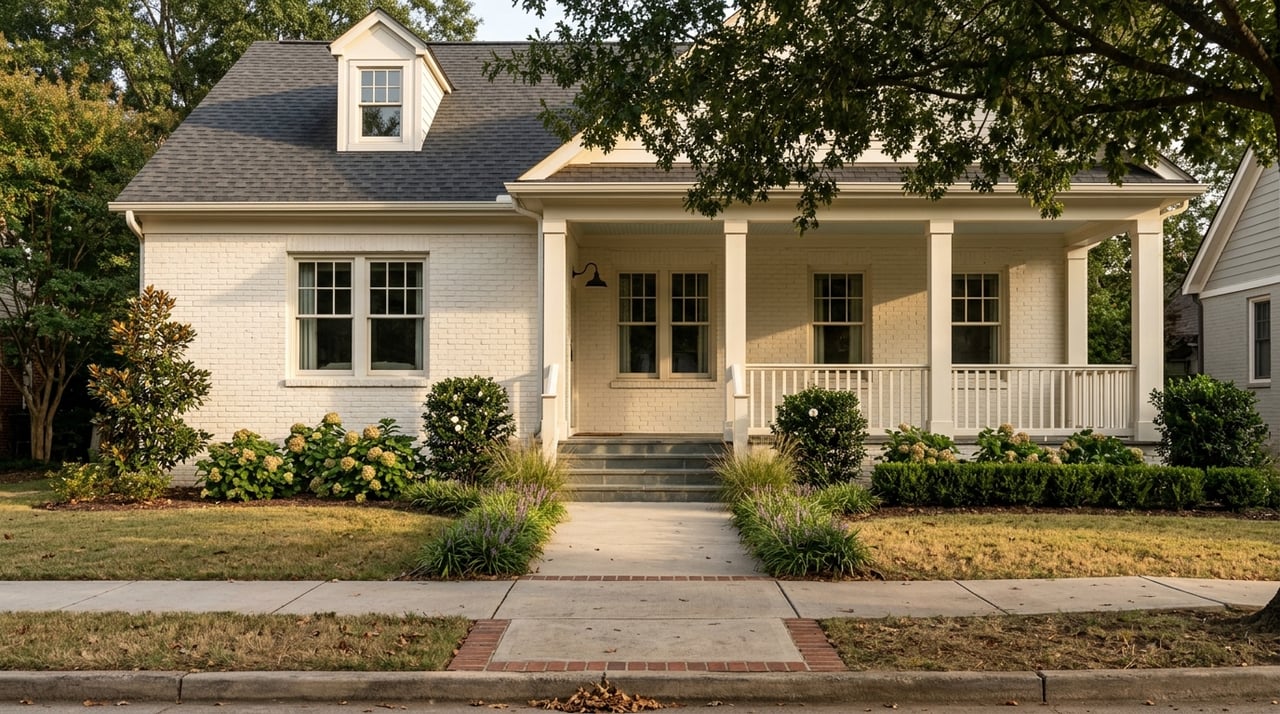
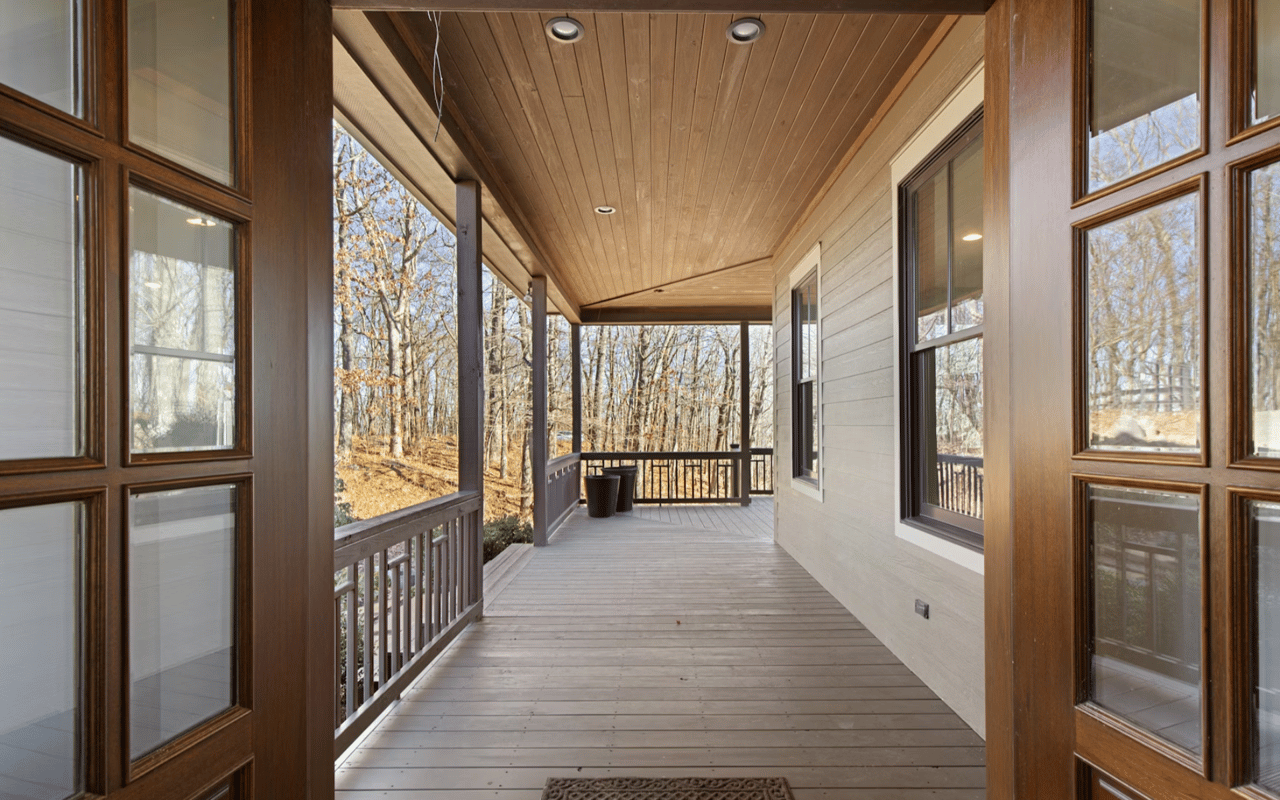
Townhomes in and around the West End often feel more like small houses. Multi-level layouts, attached garages, and private patios or porches are common.
That extra privacy and more residential layout can be a major plus. If you want defined living zones, direct garage access, or a little more separation from neighbors, a townhome may check more boxes.
Townhome Tradeoffs to Expect
A townhome can still be low-maintenance, but coverage varies widely by community. Some HOAs cover lawn care, structure maintenance, trash, pest control, irrigation, or street lighting, while others may cover less.
That is why you should not compare only the monthly HOA number. Two townhomes with similar fees may offer very different levels of service and responsibility.
West End Inventory and Price Signals
Current portal data suggests the West End has more condo inventory than townhome inventory right now. Realtor.com currently shows 30 West End condo listings and 7 West End townhome listings, with a median listing price around $652,585 in the district.
That does not mean condos are always the better buy. It does mean you may see more condo options if you want to stay in the heart of the West End, while townhome choices may be more limited and feel more specialized.
Local Examples That Show the Difference
A few current listings help illustrate how these categories differ in real life.
Condo Examples
At 155 Riverplace, the active list price is $825,000. Its features include underground secure parking, elevator access, bike storage, and secure entry, all steps from Falls Park and Liberty Bridge.
At 121 Rhett Street, Unit 501, the current list price is $889,500. The HOA includes water, trash, parking, exterior maintenance, and pest control, and the building offers elevator access.
At 110 North Markley Street, Unit 107 in Markley Place, the active price is $970,000. This newer condo includes a landscaped courtyard, private terrace, two parking spaces, elevator access, and community dog-park features.
Townhome Examples
At 15 Conwell Street in The Sinclair, the contingent price is $559,000. This boutique 12-townhome community offers low-maintenance living, a 2-car attached garage, and HOA-covered lawn maintenance, with a monthly HOA fee of $225.
At 10 Hub Street in The Hub, the active price is $639,500. The home includes a 2-car attached garage, while the HOA covers structure, insurance, trash, termite contract, and street lights.
A nearby downtown-core comparison is 14 Whitner Street in Canvas Townes, listed at $899,000. It includes a 2-car garage, and HOA coverage includes structure, grounds, parking, pest, and irrigation.
The Hybrid Option Buyers Should Not Overlook
One of the most important West End lessons is that some homes blur the line between condo and townhome. For example, 62A Hyde Street in Mayberry Village is marketed as a condo, while the community describes the homes as townhome-style condos.
That is a great reminder to look beyond labels. A home may look and live like a townhome but still be legally structured as a condo.
How to Decide Which Fits You Best
The right choice depends on how you want to live, not just what sounds better on paper.
A condo may be the better fit if you want:
- Less direct maintenance responsibility
- Shared amenities and building services
- Elevator access or one-level living
- Secure entry and structured parking
- A true lock-and-leave setup
A townhome may be the better fit if you want:
- A more house-like layout
- An attached garage
- More privacy
- Private outdoor space such as a porch or patio
- A multi-level floor plan with more separation
What to Verify Before You Buy
In the West End, due diligence matters. Since attached-home communities can vary a lot, it is smart to compare the details line by line.
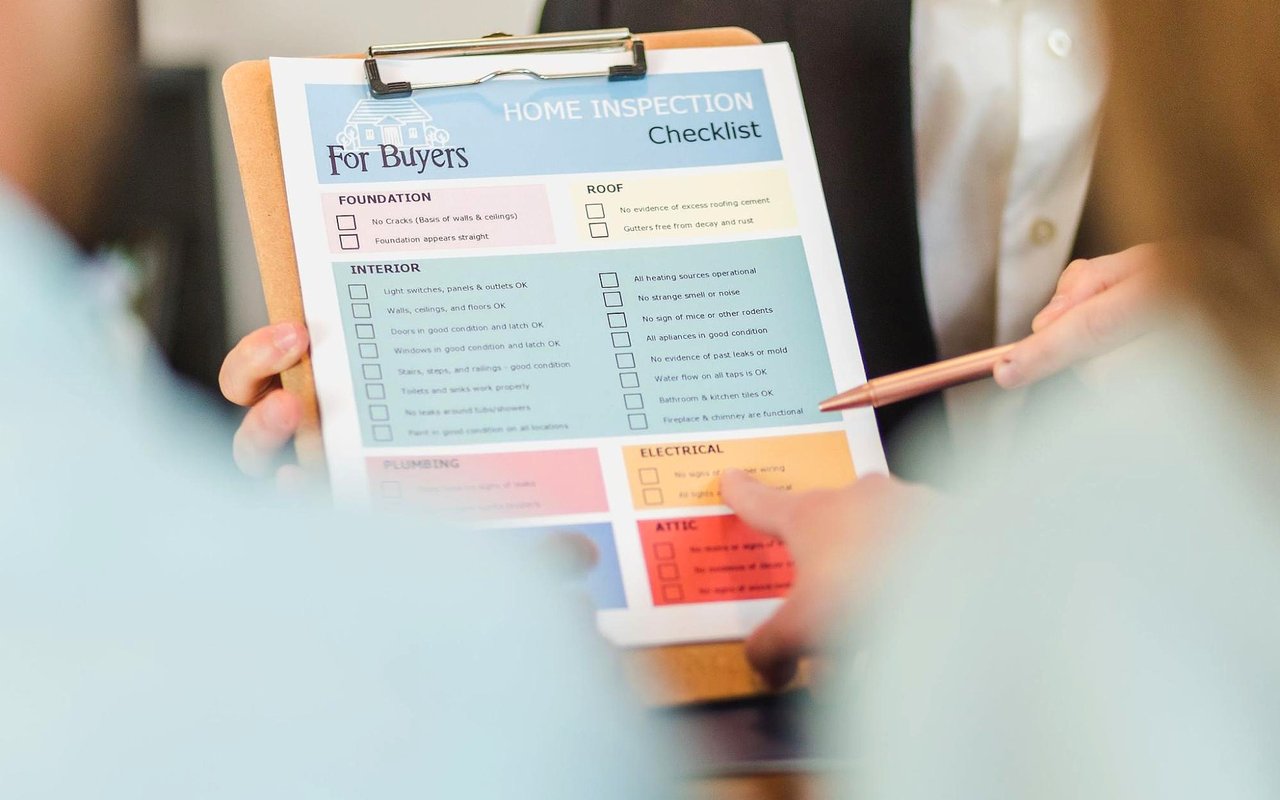
Before choosing a condo or townhome, verify:
- Whether the property is legally a condo, a townhouse in a planned community, or a townhome-style condo
- Exactly what the HOA or regime fee covers
- Parking count and parking type
- Whether there are rules affecting pets, rentals, or special assessments
- How much of the exterior and structure is handled by the association
This is where local guidance can make a real difference. A careful review of the declaration, deed language, and community documents can help you avoid surprises and make a more confident financial decision.
The Bottom Line for West End Buyers
In Greenville’s West End, condos and townhomes can both be strong options. Condos often lean toward convenience, shared amenities, and lower day-to-day maintenance, while townhomes often offer more privacy, garage space, and a more traditional home feel.
Neither option is automatically simpler or cheaper. In this market, the best choice usually comes down to the ownership structure, the HOA details, the building or community setup, and your lifestyle priorities. If you want clear guidance as you compare West End condos and townhomes, The Gallo Company can help you evaluate the numbers, the documents, and the day-to-day fit with confidence.
FAQs
What is the difference between a condo and a townhome in Greenville’s West End?
- In the West End, a condo is a legal ownership structure, while a townhome is often a style description. Some townhome-looking properties are actually condos, so you should verify the deed, declaration, and HOA documents.
Are condos more common than townhomes in Greenville’s West End?
- Current portal data suggests yes. Realtor.com currently shows 30 West End condo listings and 7 West End townhome listings, which makes the area feel more condo-heavy at the moment.
What do condo HOA fees usually cover in Greenville’s West End?
- Coverage varies by building, but common items can include exterior maintenance, water, trash, parking, insurance, common-area upkeep, and some building services such as secure entry or elevator-related maintenance.
What do townhome HOA fees usually cover in Greenville’s West End?
- Coverage can vary a lot by community. In local examples, townhome HOAs may cover lawn maintenance, structure, insurance, trash, pest control, irrigation, termite contracts, or street lighting.
How can you tell if a West End property is a townhome-style condo?
- You cannot rely on the exterior alone. A property may look like a townhome but be legally structured as a condo, so the best way to confirm is to review the recorded declaration, deed language, and community documents.
Which is better for a low-maintenance lifestyle in Greenville’s West End?
- Condos often provide the most predictable low-maintenance setup because many exterior and building-level responsibilities are handled through the regime fee. Some townhomes are also low-maintenance, but the level of HOA coverage varies more from one community to another.