Buying your first historic home can feel exciting and a little intimidating at the same time. You may love the charm, front porches, and early-20th-century details, but still wonder what ownership will really require once the keys are in your hand. If you are considering Overbrook in Greenville, this guide will help you weigh the appeal, the tradeoffs, and the practical steps that matter most before you buy. Let’s dive in.
Why Overbrook stands out
Overbrook is one of Greenville’s local preservation overlay districts, and its roots tie back to the expansion of the Greenville trolley line. That history still shows up in the neighborhood’s layout, housing stock, and overall feel today. For a first historic-home purchase, that gives you a chance to buy into real character, not a recreated version of it.
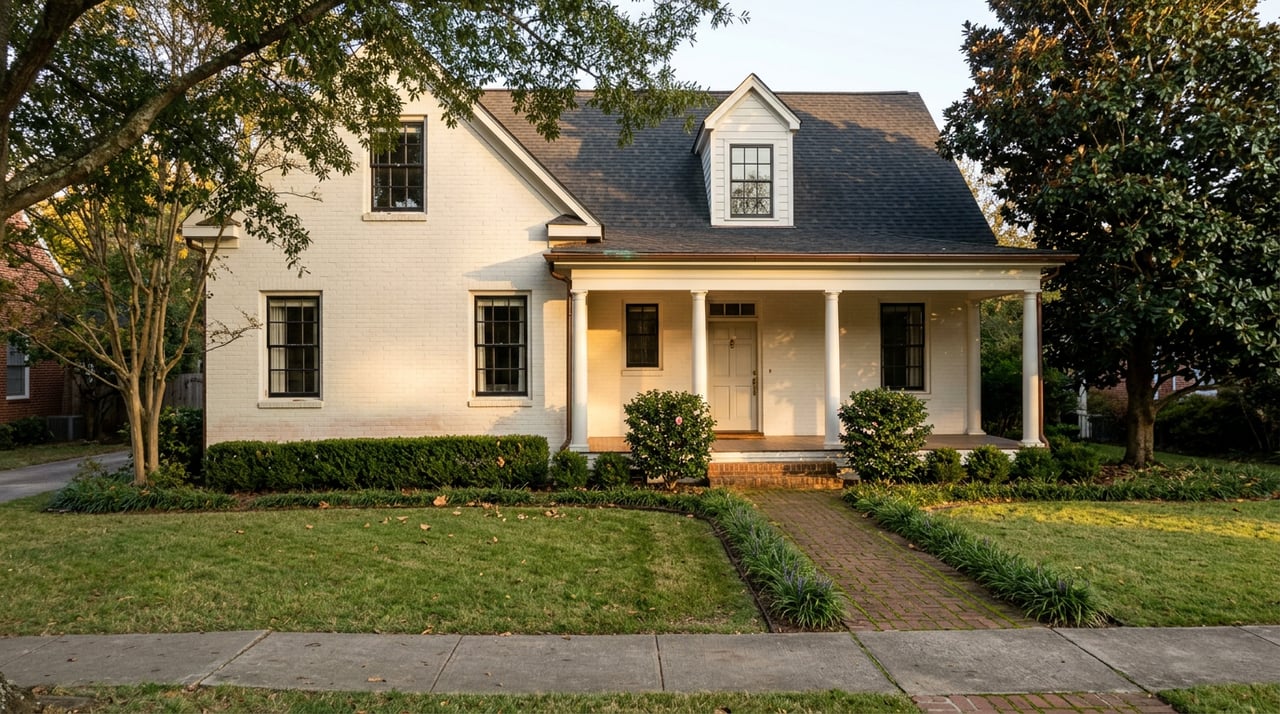
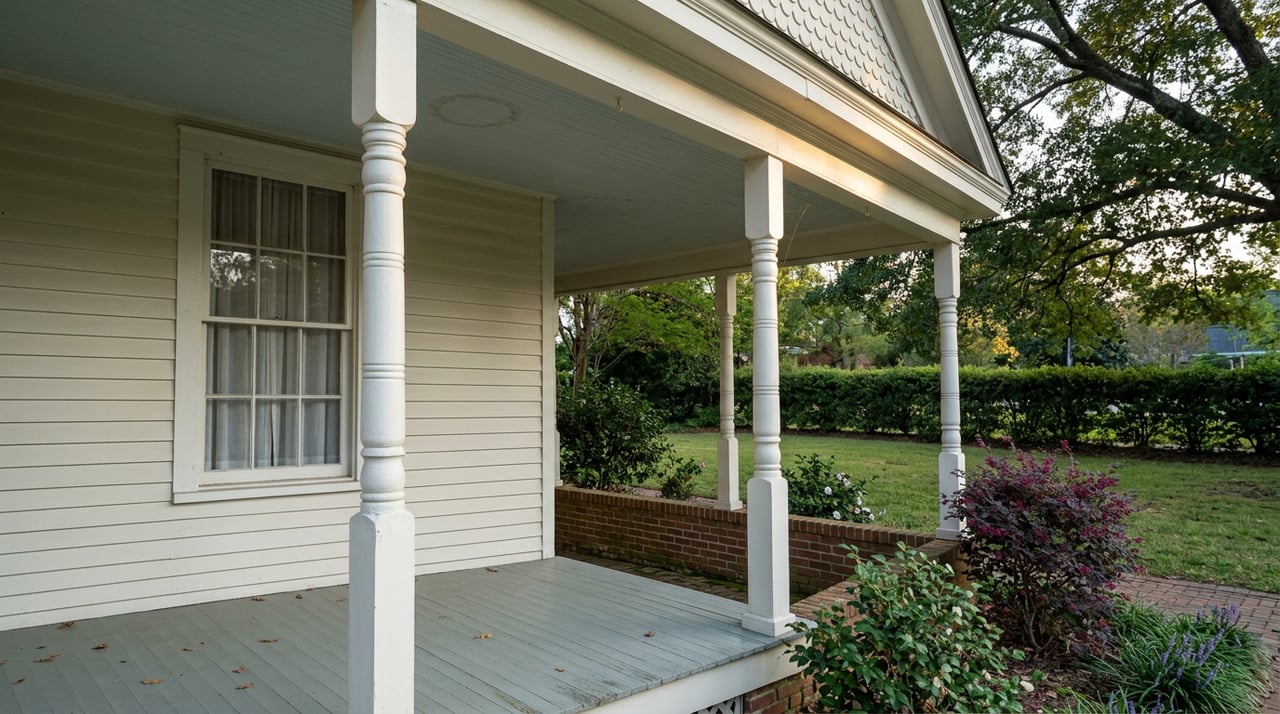
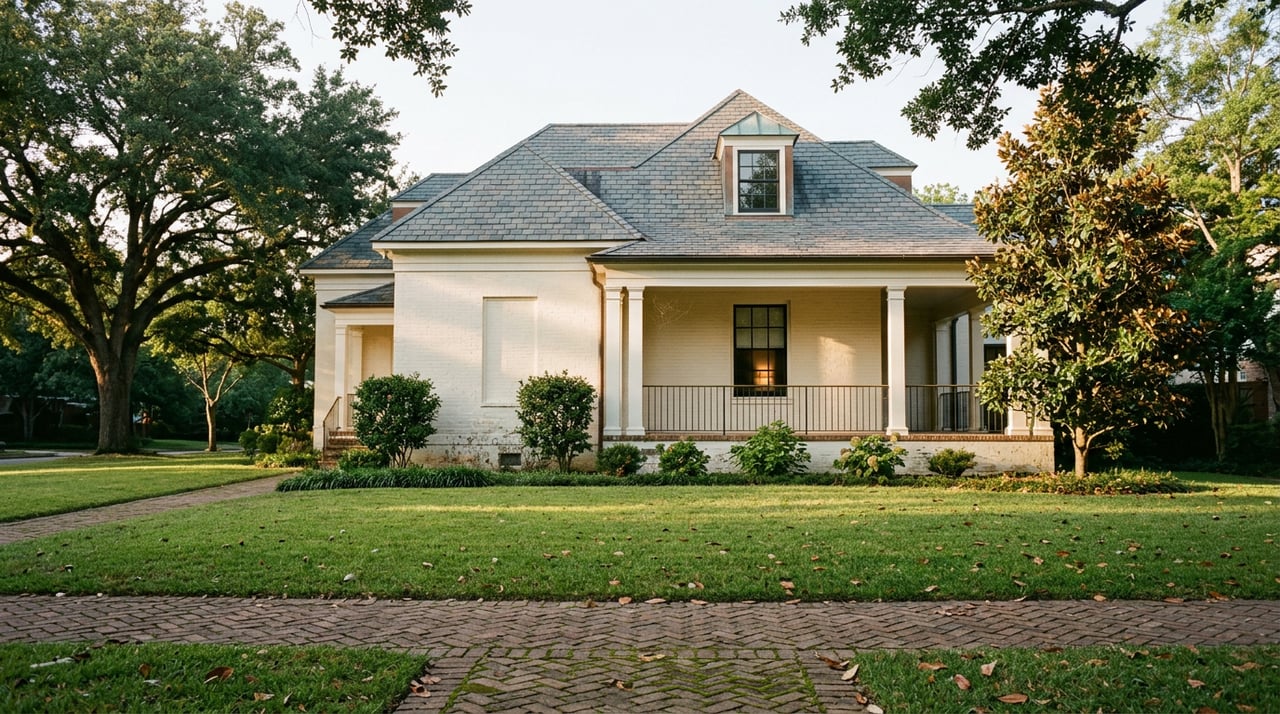
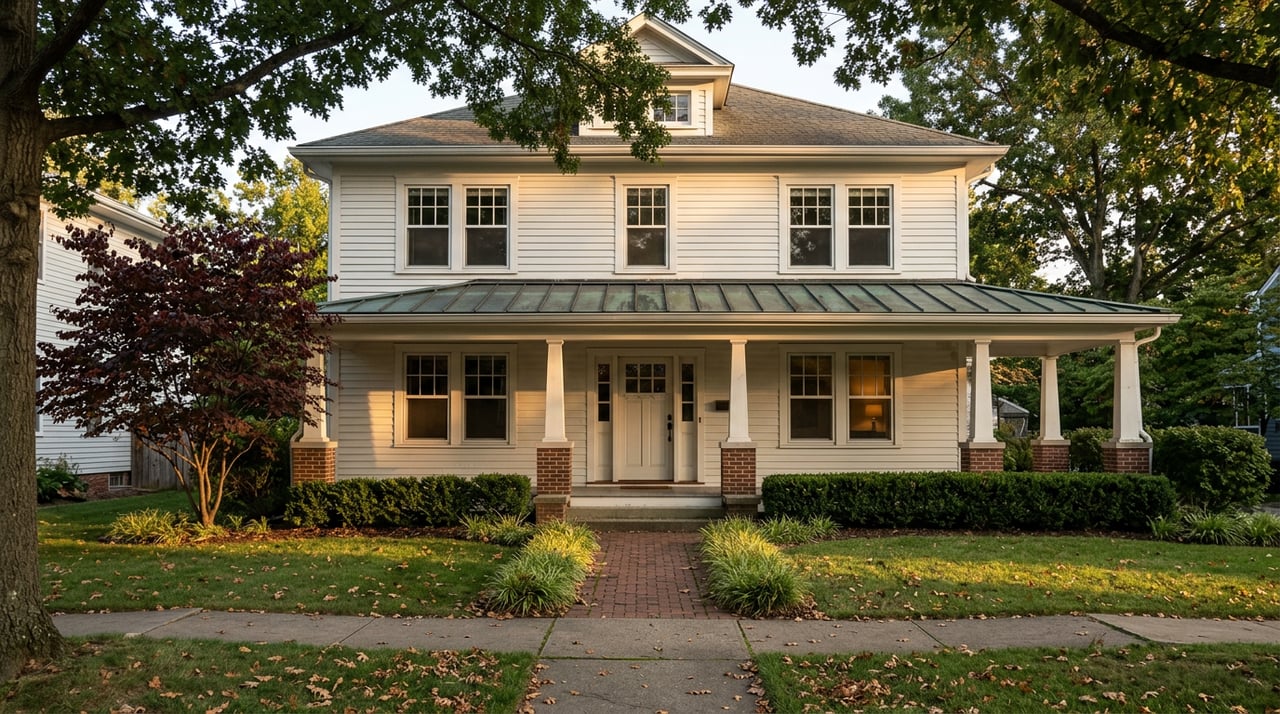
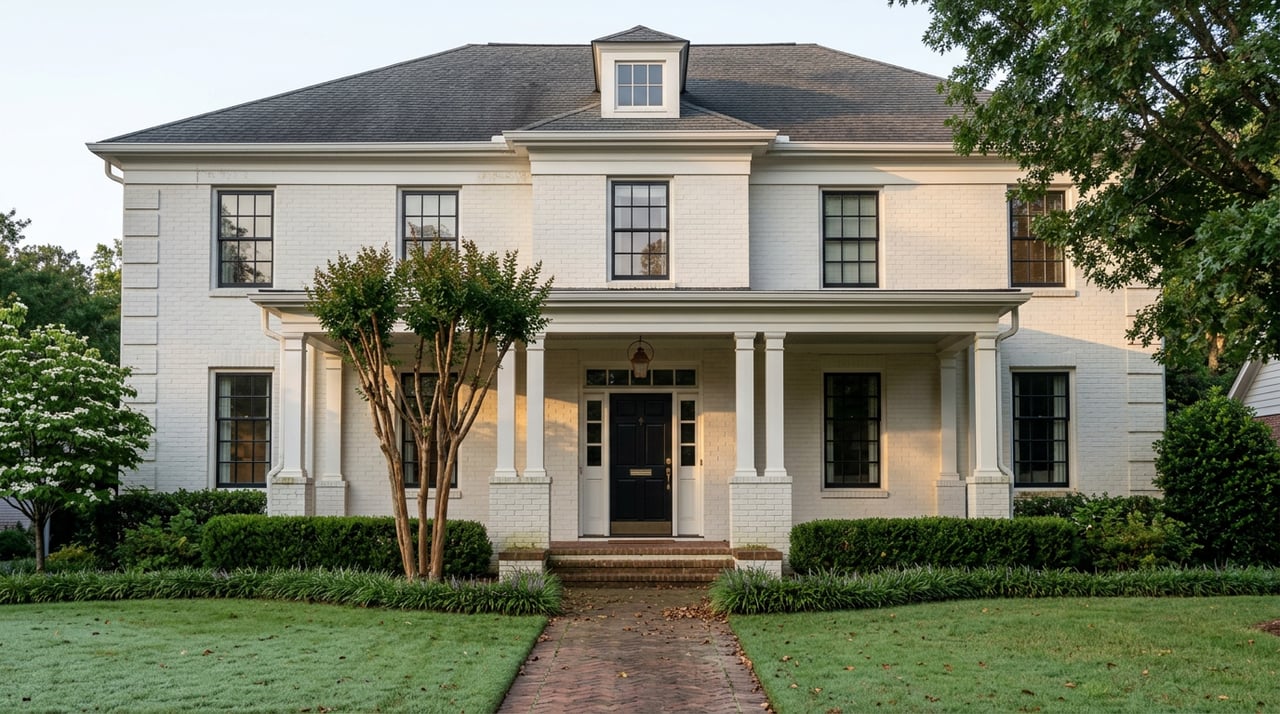
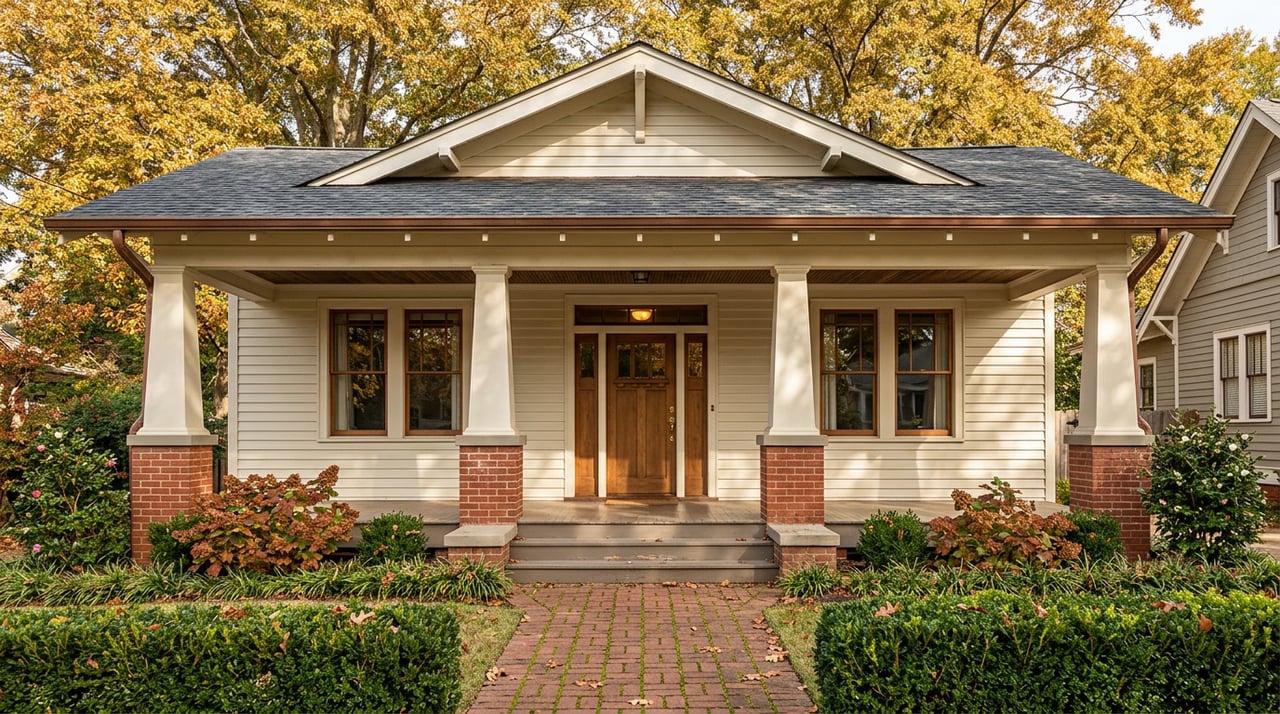
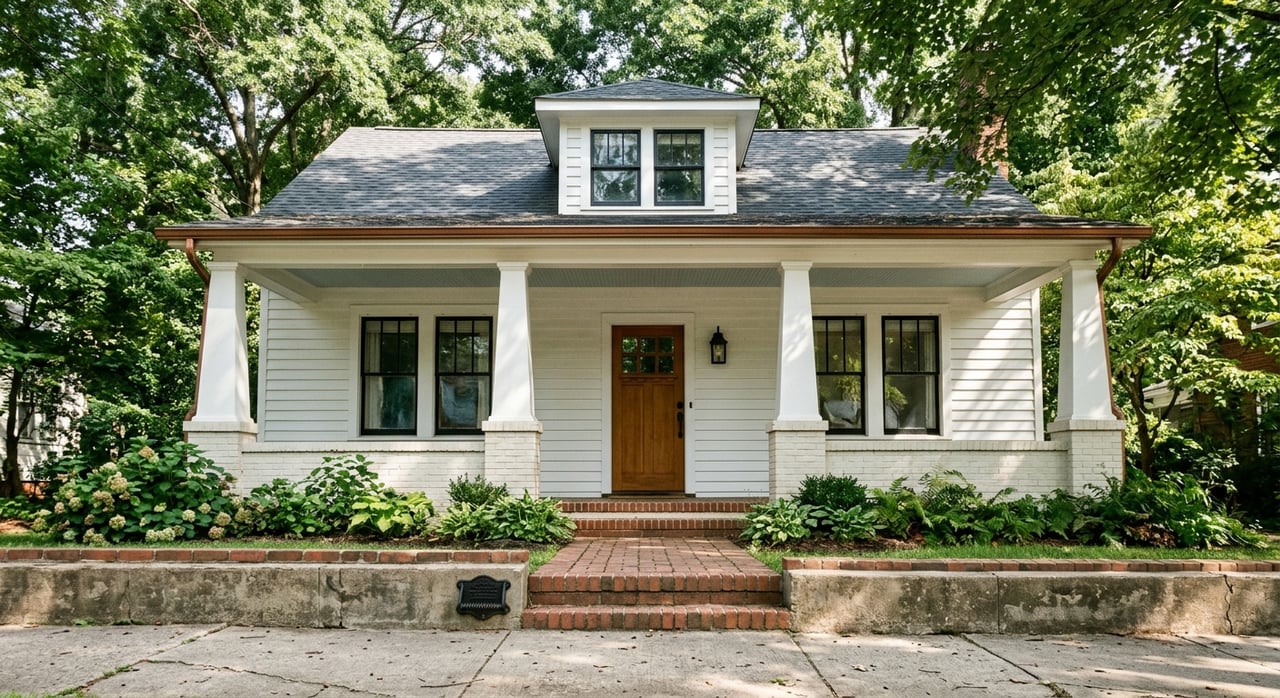
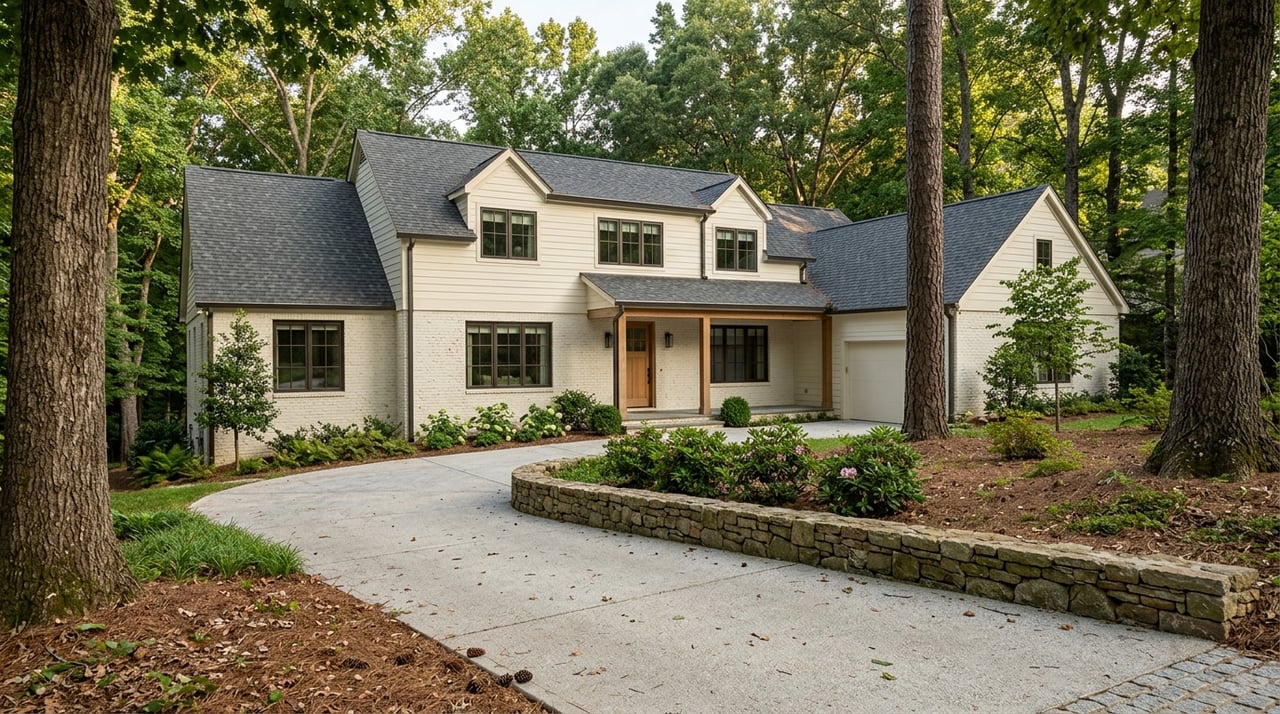
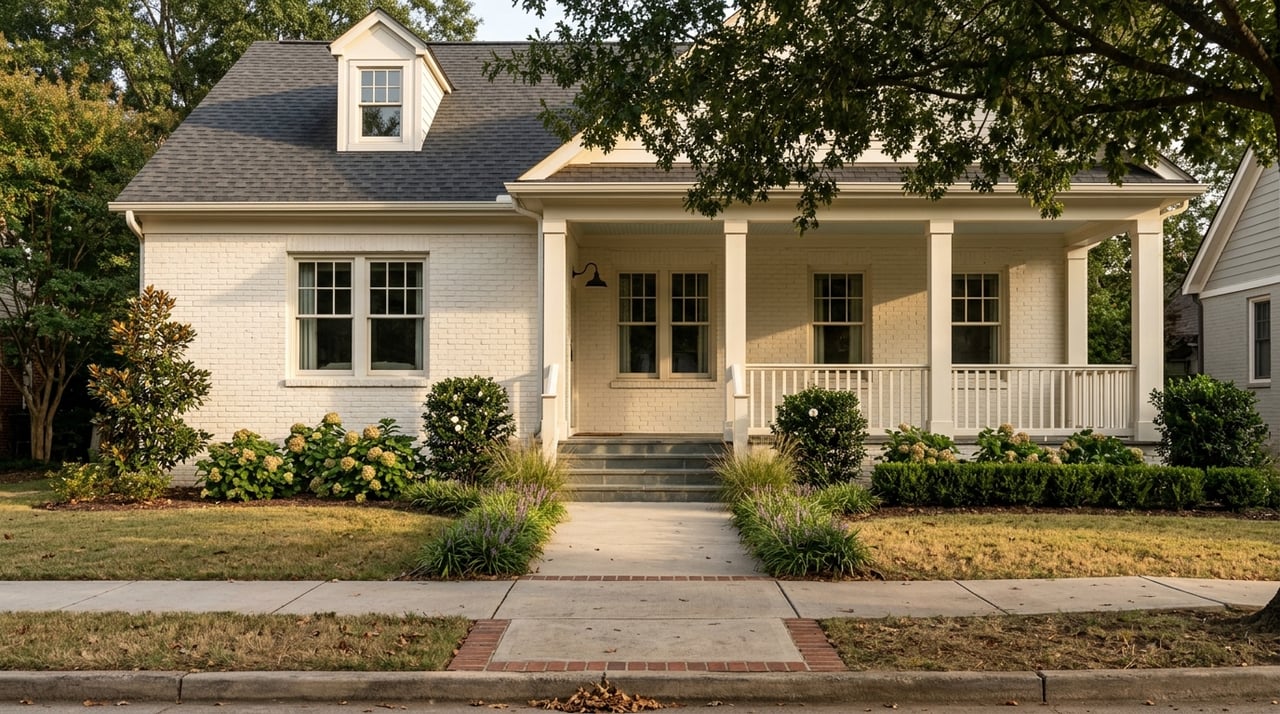
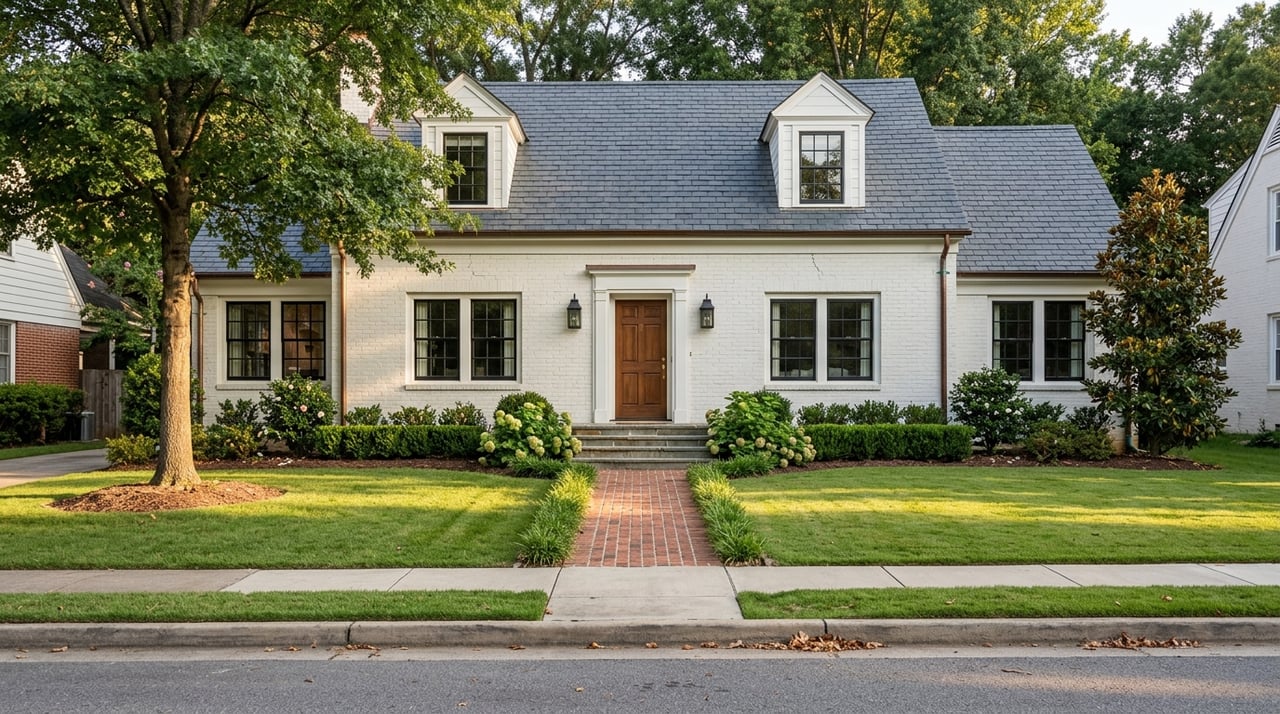
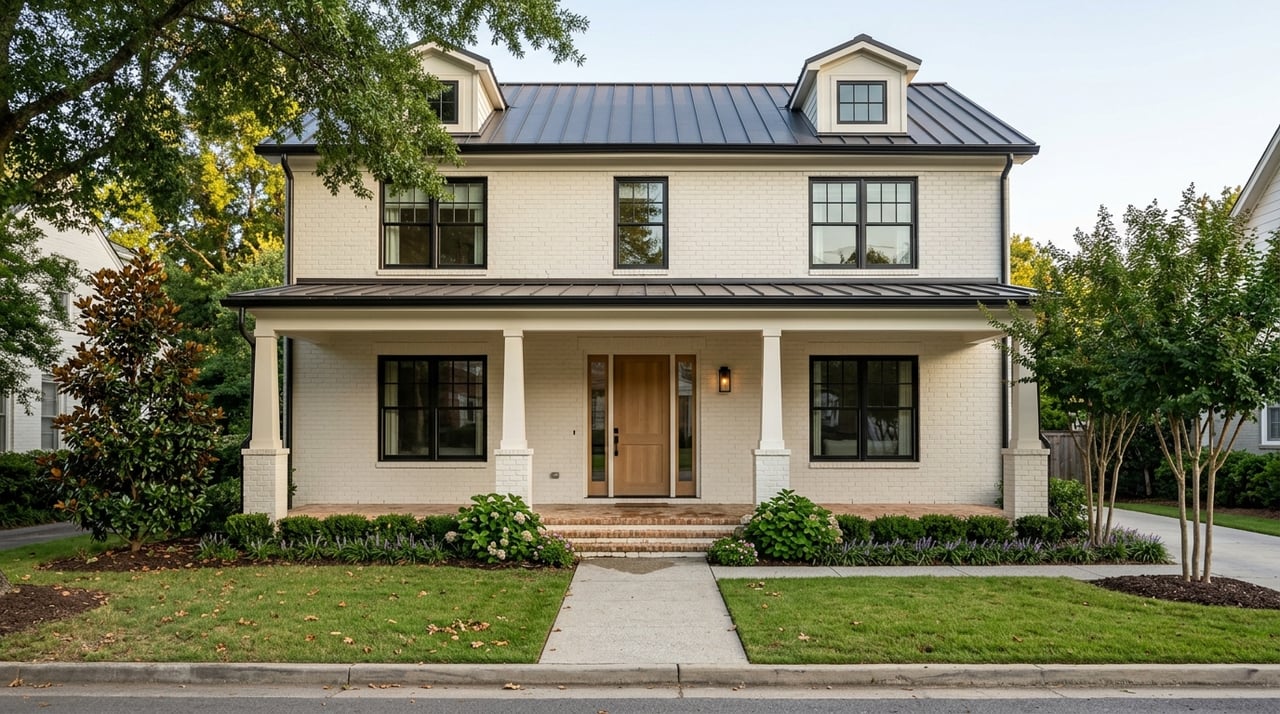
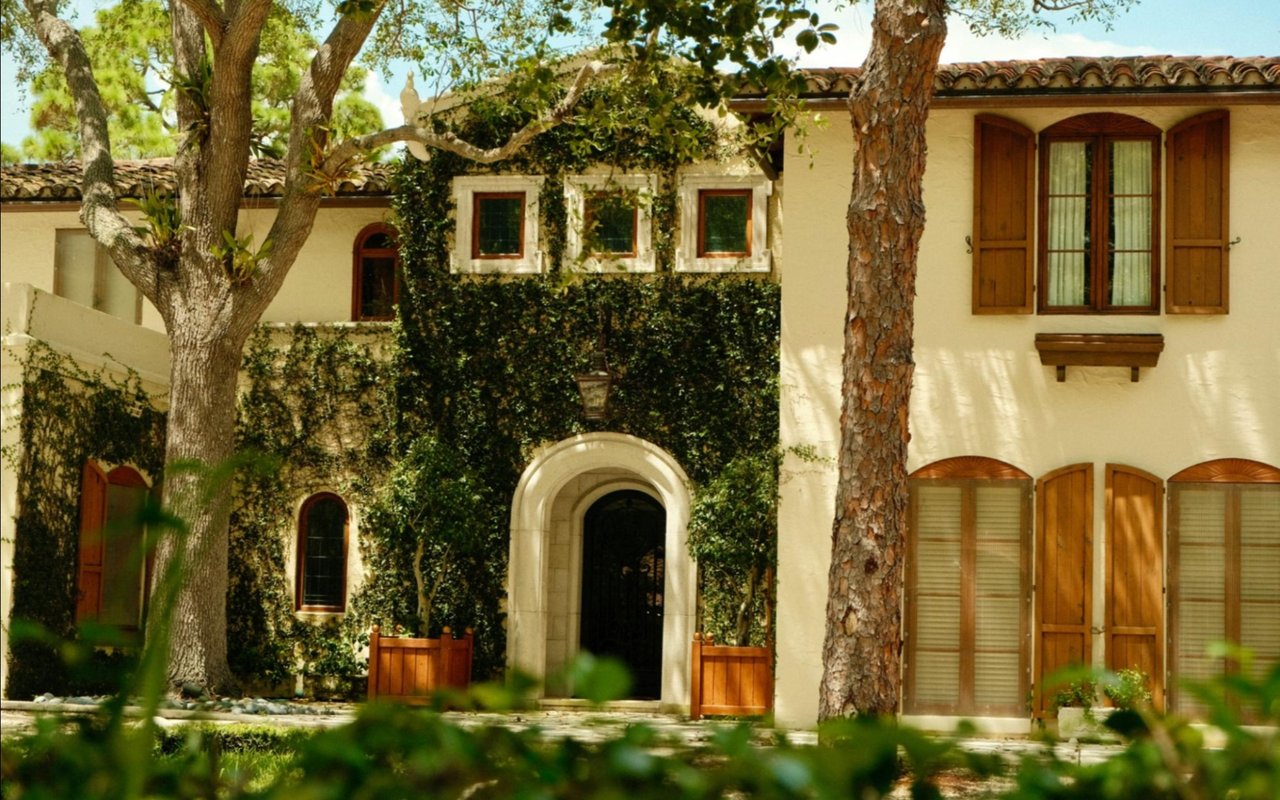
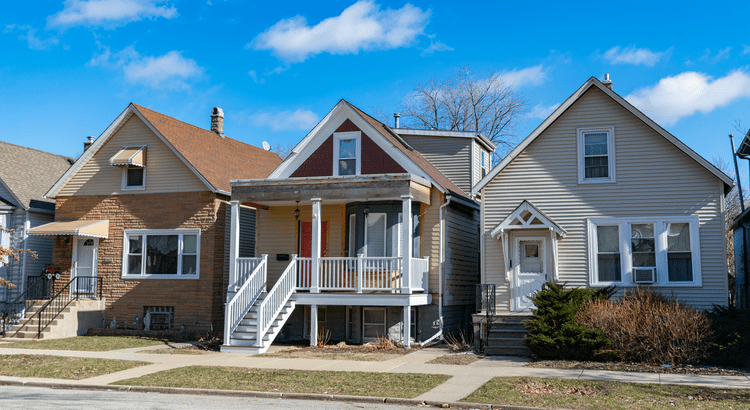
The neighborhood also offers variety. According to the South Carolina historic resources survey, the Walnut Road area developed earlier with more modest Craftsman-style bungalows, while the later Overbrook Circle area included larger Colonial Revival homes. If you want an older home without feeling boxed into one architectural style, that mix can be a real advantage.
What first-time historic buyers should know
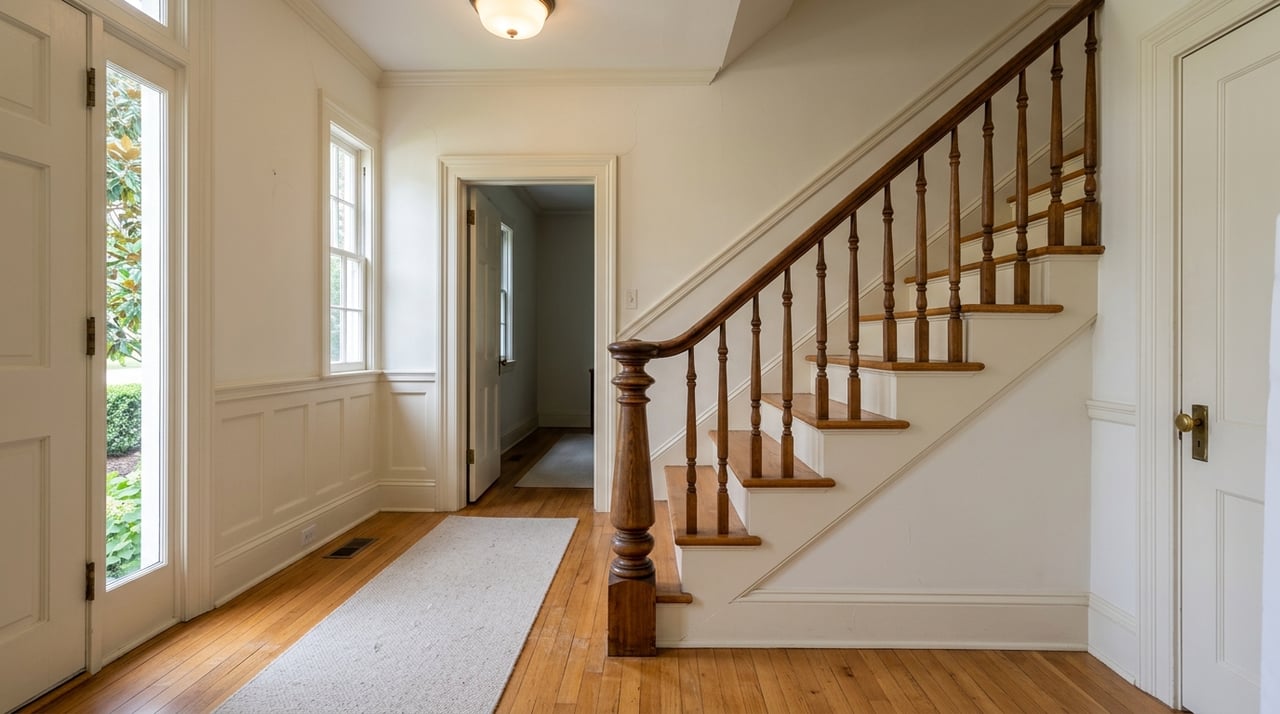
A first historic-home purchase is different from buying a newer home. In Overbrook, you are not just evaluating square footage and finishes. You are also buying into a neighborhood with preservation rules, older materials, and a home that may need more planning over time.
That does not make Overbrook a bad fit for a first purchase. It simply means the best experience usually comes when you go in with clear expectations. If you appreciate character and can approach the process with patience and due diligence, Overbrook can be an approachable entry point into Greenville’s historic housing market.
Overbrook’s character is the main draw
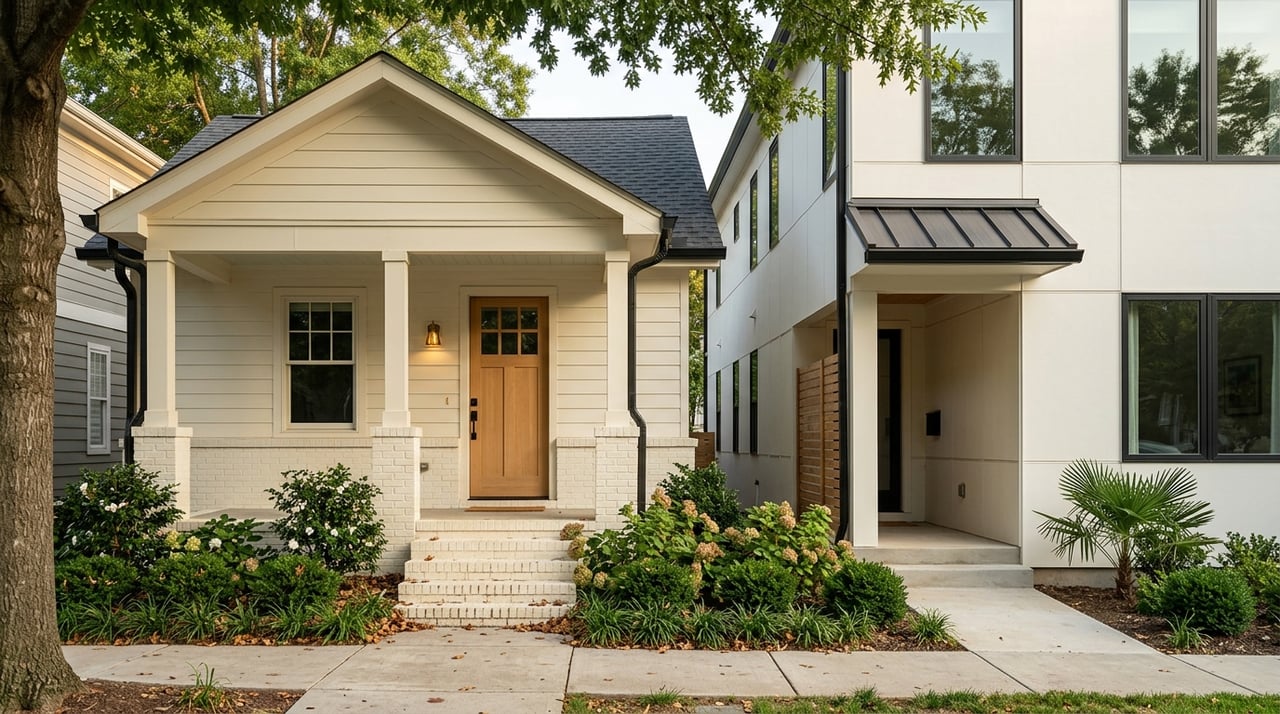
For many buyers, the strongest reason to choose Overbrook is simple: the homes feel distinct. Instead of a neighborhood built around one era of repeated floor plans, Overbrook reflects different stages of early development. That often means more visual variety, more architectural personality, and a stronger sense of place.
The neighborhood’s identity is also tied to green space. The historic survey notes that Hessie Thompson Morrah helped transform the ravine between Overbrook and Walnut Roads into what became Hessie Morrah Park, and the City of Greenville lists it as a neighborhood park today. In other words, the park is part of the neighborhood’s story, not just an extra amenity added later.
Park and trail access adds daily value
If lifestyle matters as much as architecture, Overbrook has another point in its favor. Greenville’s Parks & Trails information highlights a strong park network that includes places like Cleveland Park, Falls Park, McPherson Park, Unity Park, and neighborhood parks such as Hessie Morrah Park. That broader system helps support the area’s day-to-day livability.
The Swamp Rabbit Trail Network is another important piece of context. The city describes it as a 28-mile multi-use greenway connecting Travelers Rest with Greenville through the Reedy River corridor, an old railroad corridor, and city parks. The city also adopted a master plan in 2021 for a planned 4.5-mile extension from Cleveland Park to CU-ICAR, which points to continued public investment in the larger trail corridor.
For a buyer, that does not guarantee anything about future value. It does, however, help explain why neighborhoods tied into Greenville’s park-and-trail ecosystem often draw steady interest from people who care about recreation, connection, and neighborhood character.
Historic district rules matter in Overbrook
This is the part many first-time historic buyers underestimate. Because Overbrook is a designated historic district, exterior alterations to buildings in the district require a Certificate of Appropriateness through Greenville’s Historic Review Board. If you are planning to change windows, roofing, siding, additions, or other exterior features, that review process may affect your budget and timeline.
The city also provides a hardship exemption path if proposed exterior work cannot meet the applicable guidelines. That can be helpful in certain cases, but it is still a process, not a shortcut. The practical takeaway is that exterior work in Overbrook should always be evaluated early, before you assume your renovation plans are simple.
Renovation due diligence should start before closing
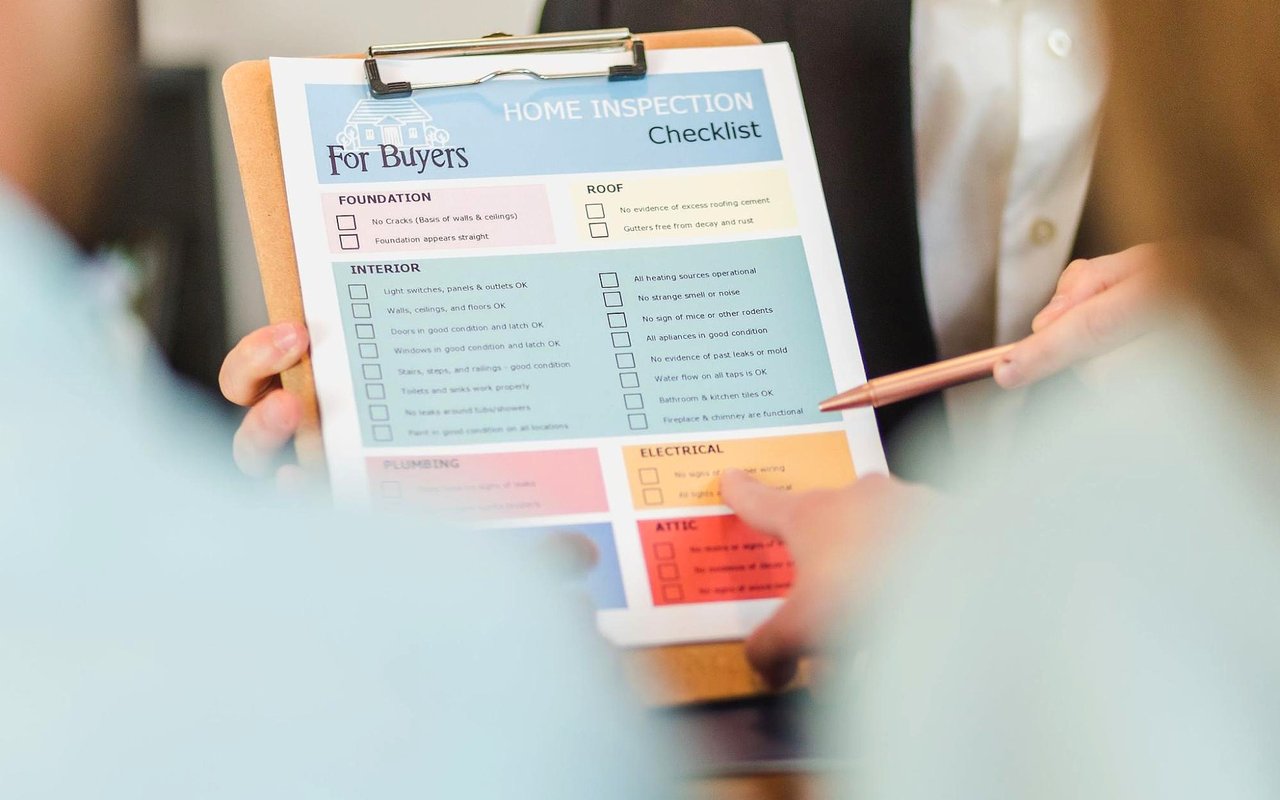
If you are buying your first historic home, your due diligence should go beyond the general inspection. In Overbrook, a smart buyer should confirm the parcel-level historic status and ask for any prior Certificates of Appropriateness, permits, and rehabilitation paperwork tied to the home. That paper trail can tell you a lot about what has already been approved, what was completed, and what questions may still remain.
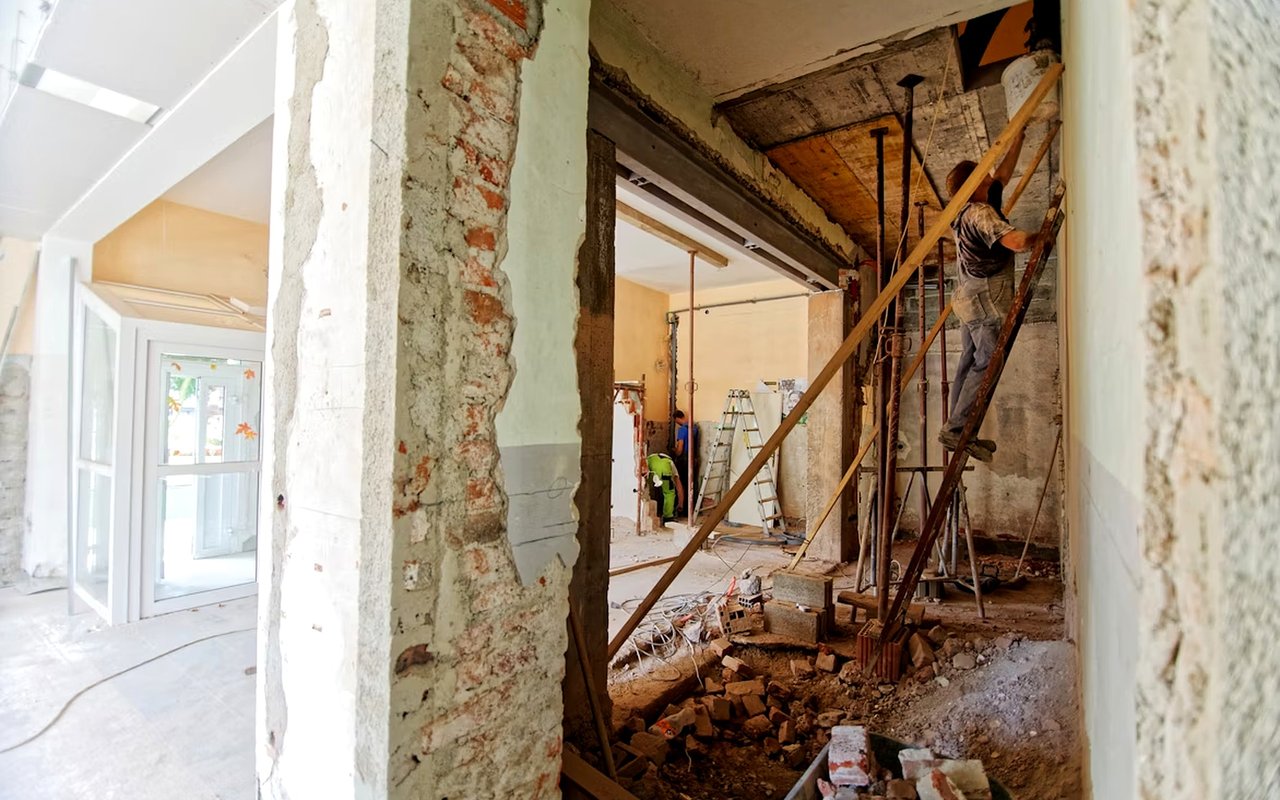
This is especially important if the home looks partially updated. A fresh kitchen or refinished floors may be easy to spot, but hidden costs often sit behind the walls, above the ceilings, or in unfinished spaces. Knowing the property’s review history and renovation background can help you build a more realistic ownership plan.
Older materials can change your budget
Many homes in historic districts predate modern building materials and standards. If a home was built before 1978, lead risk is a reasonable concern until proven otherwise. EPA guidance notes that 87% of homes built before 1940 and 24% of homes built from 1960 to 1978 contain some lead-based paint.
That does not mean every older home is unsafe or unmanageable. It means renovations, repairs, and painting should be approached with lead-safe practices when applicable. For a first-time buyer, this is one reason your renovation budget should include more than just cosmetic wish-list items.
Asbestos is another issue to handle carefully. EPA advises that if a material might contain asbestos and will be disturbed during renovation, it should be sampled by a properly trained and accredited asbestos professional rather than judged visually. Common residential materials of concern can include floor tile, ceiling tile, pipe wrap, insulation, roofing, and similar components.
Tax assessment opportunities may exist
Greenville’s permit portal includes a Historic Properties Special Tax Assessment application for qualifying rehabilitation work. If you are considering a significant remodel, it is worth asking whether your project may fit that process. This is not something to assume on your own, but it can be part of a smarter planning conversation.
For first-time historic buyers, that matters because purchase price is only part of the financial picture. The bigger question is how your total cost of ownership may look once repairs, approvals, and longer-term improvements are factored in.
Is Overbrook a good first historic-home fit?
Overbrook can be a strong fit if you are drawn to older homes and understand that charm usually comes with ongoing stewardship. The neighborhood makes sense for buyers who like original character, can handle periodic maintenance, and are willing to navigate local review requirements when exterior work is involved. If that sounds like you, Overbrook may feel less intimidating and more rewarding over time.
It may be less ideal if you want a fully turnkey home with no renovation planning and no extra layers of approval. Historic ownership tends to work best when you view the home as both a place to live and an asset that benefits from thoughtful decision-making. That mindset can make all the difference.
A simple checklist before you buy
If Overbrook is on your shortlist, keep your process grounded in a few practical steps:
- Confirm whether the specific parcel sits within the preservation overlay district
- Review any prior Certificates of Appropriateness, permits, and rehab documentation
- Ask detailed questions about exterior updates and whether approvals were required
- Build a renovation budget that includes contingencies for older-home surprises
- Treat lead risk as plausible in pre-1978 homes until properly evaluated
- Have potentially suspect asbestos-containing materials assessed before disturbance
- Ask whether planned rehabilitation work may qualify for the city’s special tax assessment process
Why guidance matters in a neighborhood like this
Buying in a historic area is rarely just about finding a pretty house. You are balancing lifestyle, condition, local process, and long-term cost at the same time. In a neighborhood like Overbrook, that kind of decision benefits from local knowledge and careful financial thinking.
That is where a detail-oriented real estate team can add real value. You want guidance that helps you look past surface-level charm and understand how the purchase fits your budget, renovation goals, and timeline. When the process is handled thoughtfully, a first historic-home purchase can feel far more manageable.
If you are thinking about buying in Overbrook or comparing Greenville neighborhoods with more character and nuance, The Gallo Company can help you evaluate the opportunity with clear local insight and practical guidance.
FAQs
Is Overbrook in Greenville a historic district?
- Yes. Overbrook is one of Greenville’s local preservation overlay districts, which means certain exterior changes are subject to local review requirements.
What makes Overbrook appealing for a first historic-home purchase?
- Overbrook offers early-20th-century character, a mix of Craftsman bungalows and Colonial Revival homes, neighborhood park identity, and access to Greenville’s broader park-and-trail system.
Do exterior renovations in Overbrook require approval?
- Yes. Exterior alterations in the district require a Certificate of Appropriateness through Greenville’s Historic Review Board.
What should buyers review before buying a historic home in Overbrook?
- You should confirm parcel-level historic status and review prior Certificates of Appropriateness, permits, and any rehabilitation paperwork before finalizing renovation plans and budget.
Are older-home materials a concern in Overbrook houses?
- They can be. In pre-1978 homes, lead-based paint is a reasonable concern until evaluated, and materials that may contain asbestos should be professionally assessed before renovation disturbance.
Does Overbrook offer access to parks and trails in Greenville?
- Yes. Overbrook is tied into Greenville’s park network, including Hessie Morrah Park, and sits within the context of the city’s broader park-and-trail system, including the 28-mile Swamp Rabbit Trail Network.