Looking for a neighborhood that feels tucked away but still keeps downtown Greenville close at hand? That balance is exactly what draws many buyers to the Pettigru Historic District. If you want a better sense of what makes this area distinct, what kinds of homes you may find, and what practical ownership details matter, this guide will help you get oriented. Let’s dive in.
Why Pettigru District Stands Out
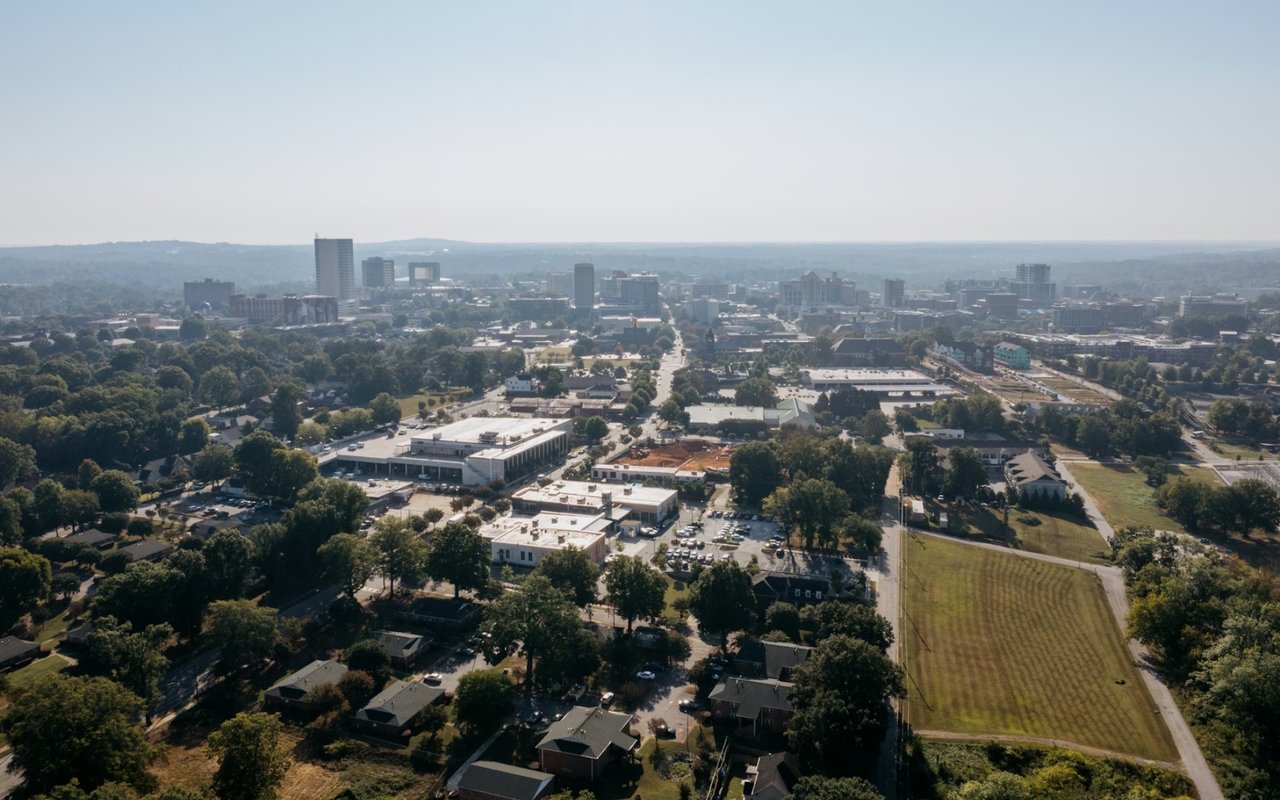
Pettigru Historic District sits just east of downtown Greenville and remains one of the city’s designated historic districts. According to the City of Greenville, the district includes 88 structures, while the National Register nomination identifies 71 contributing properties across 39 acres and notes its listing date as July 1, 1982.
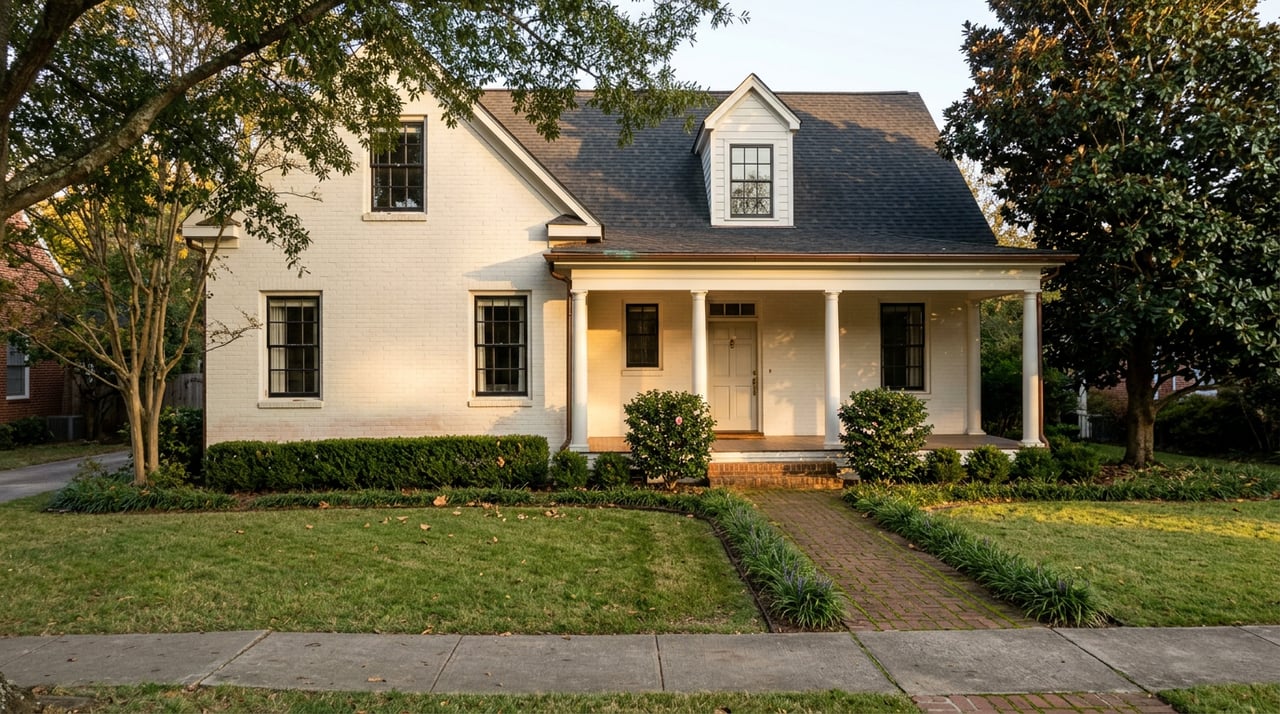
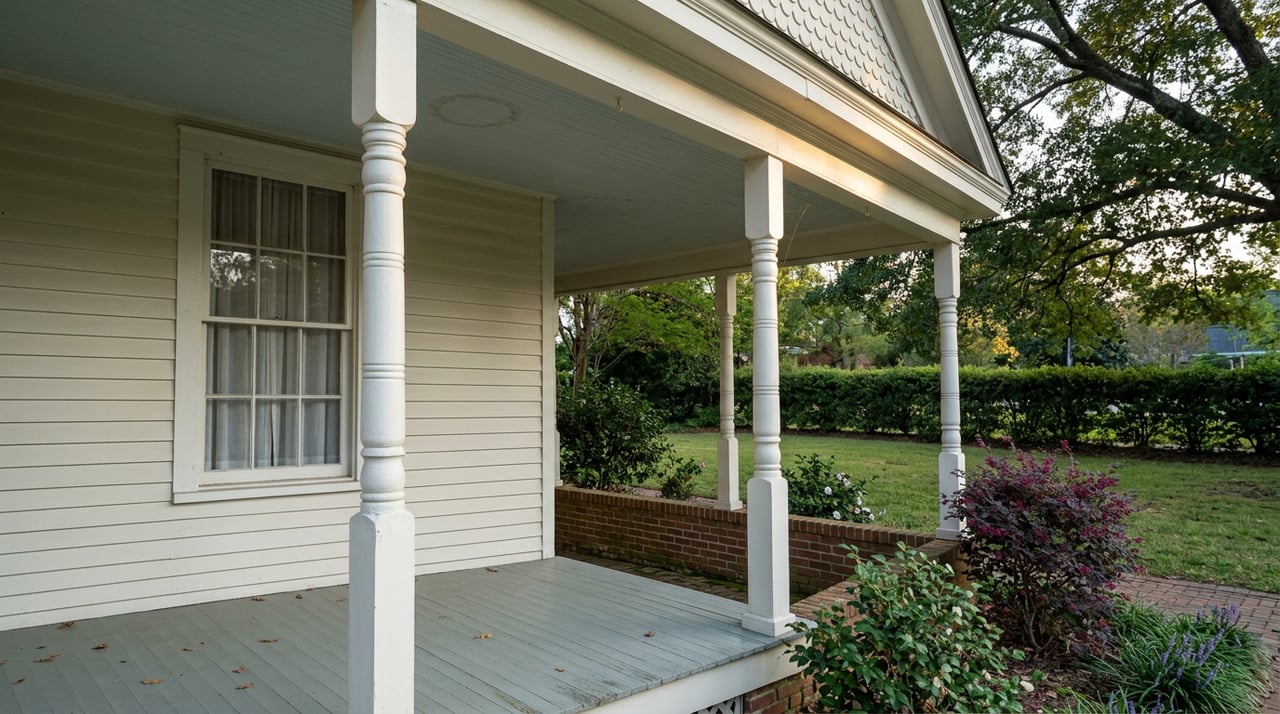
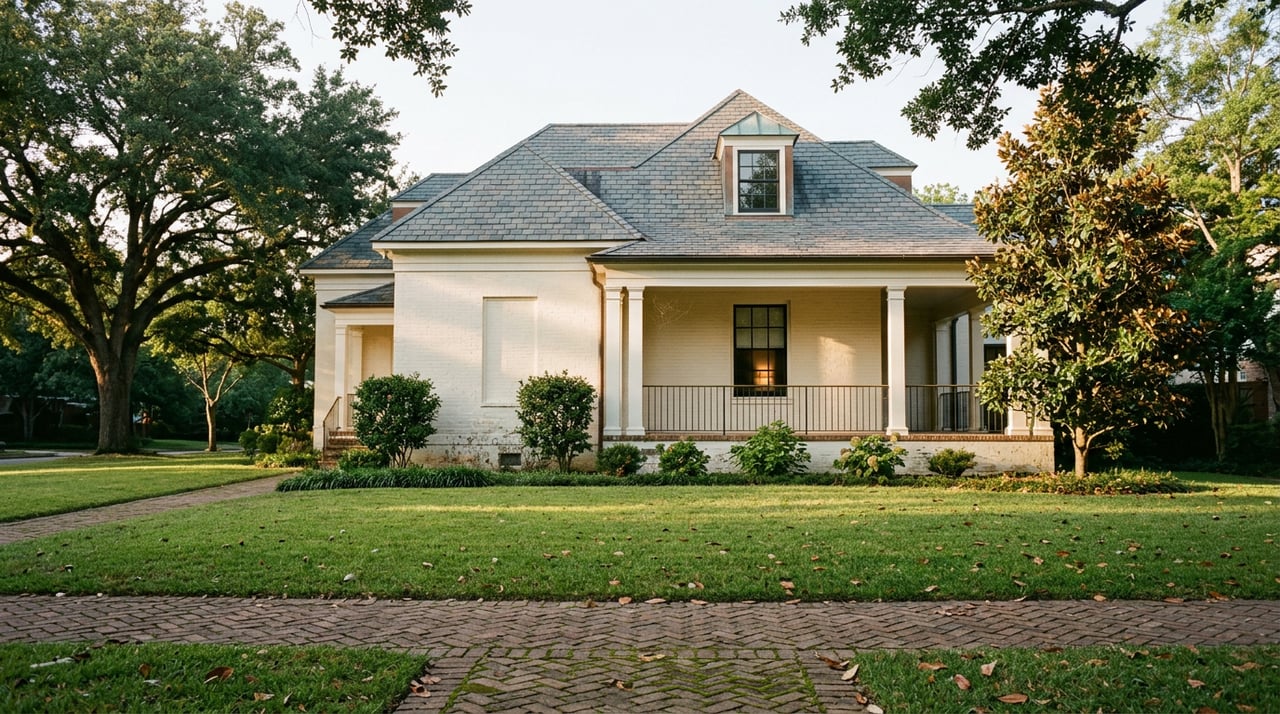
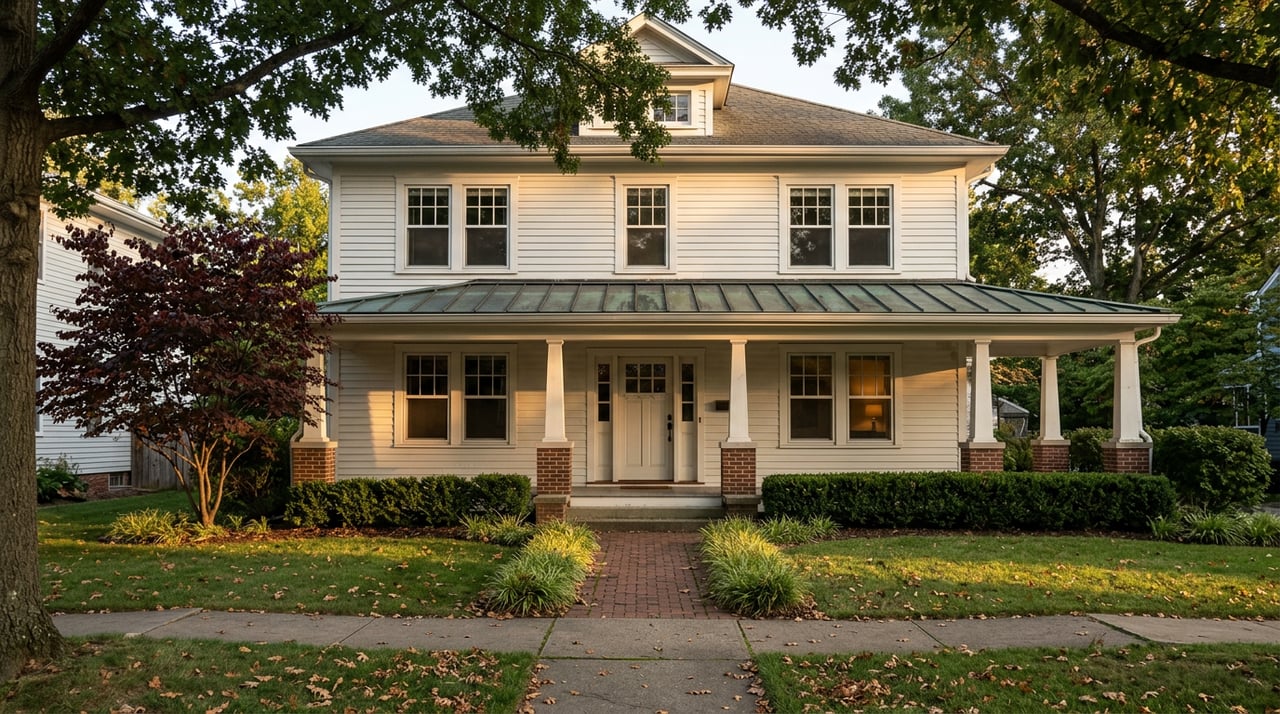
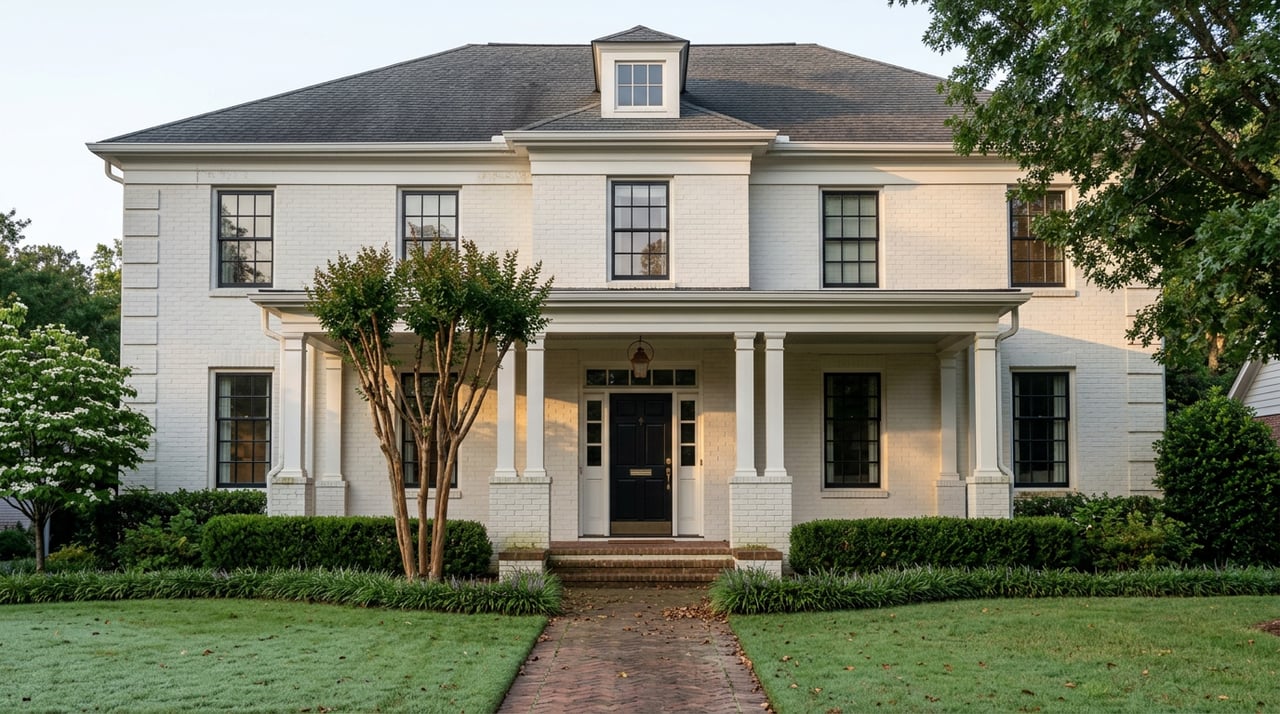
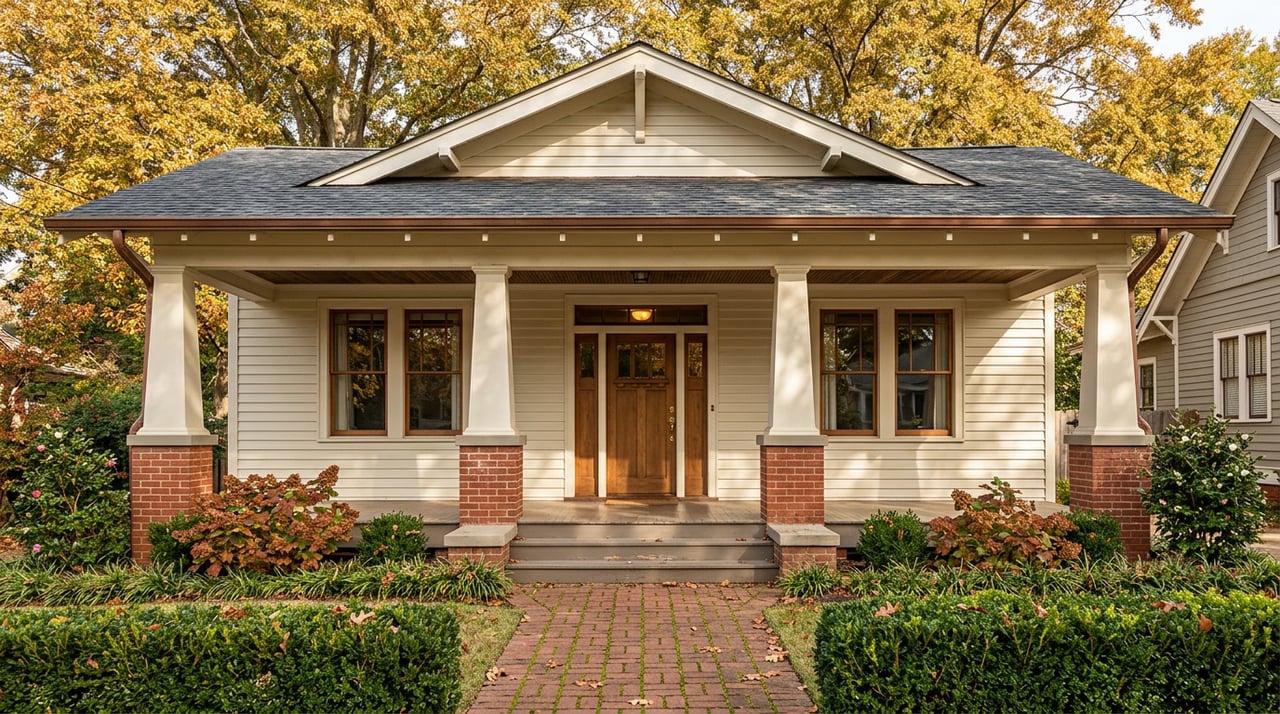
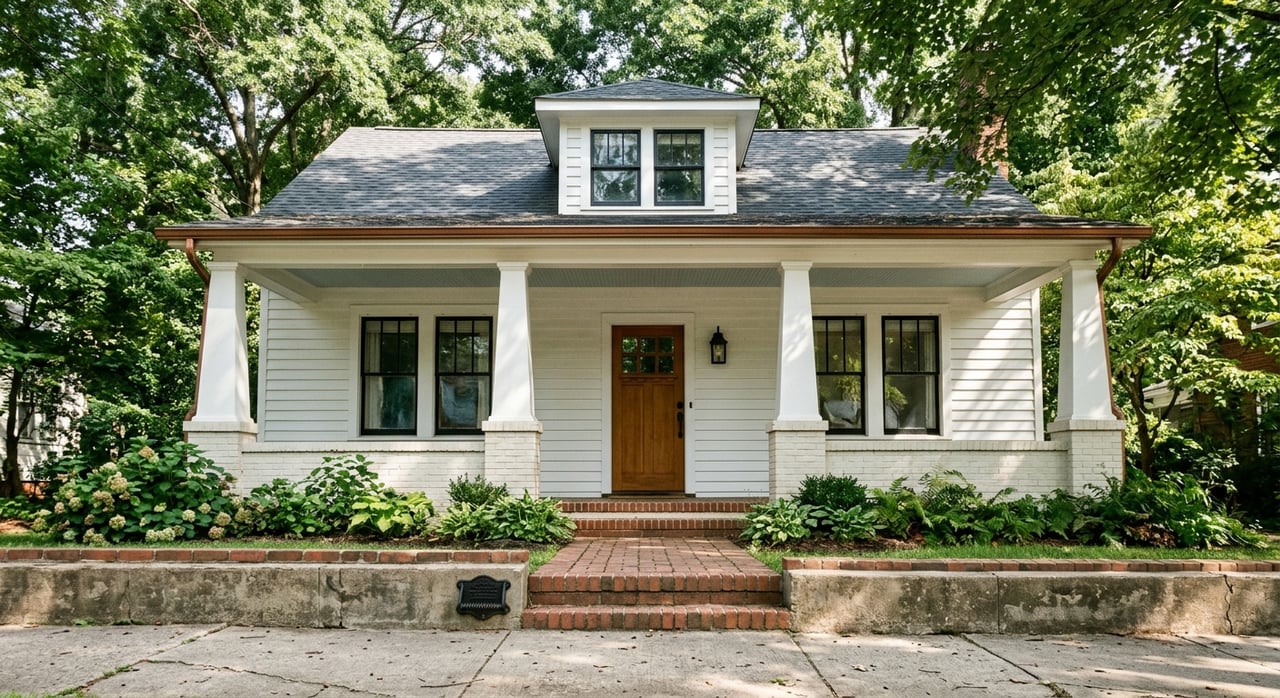
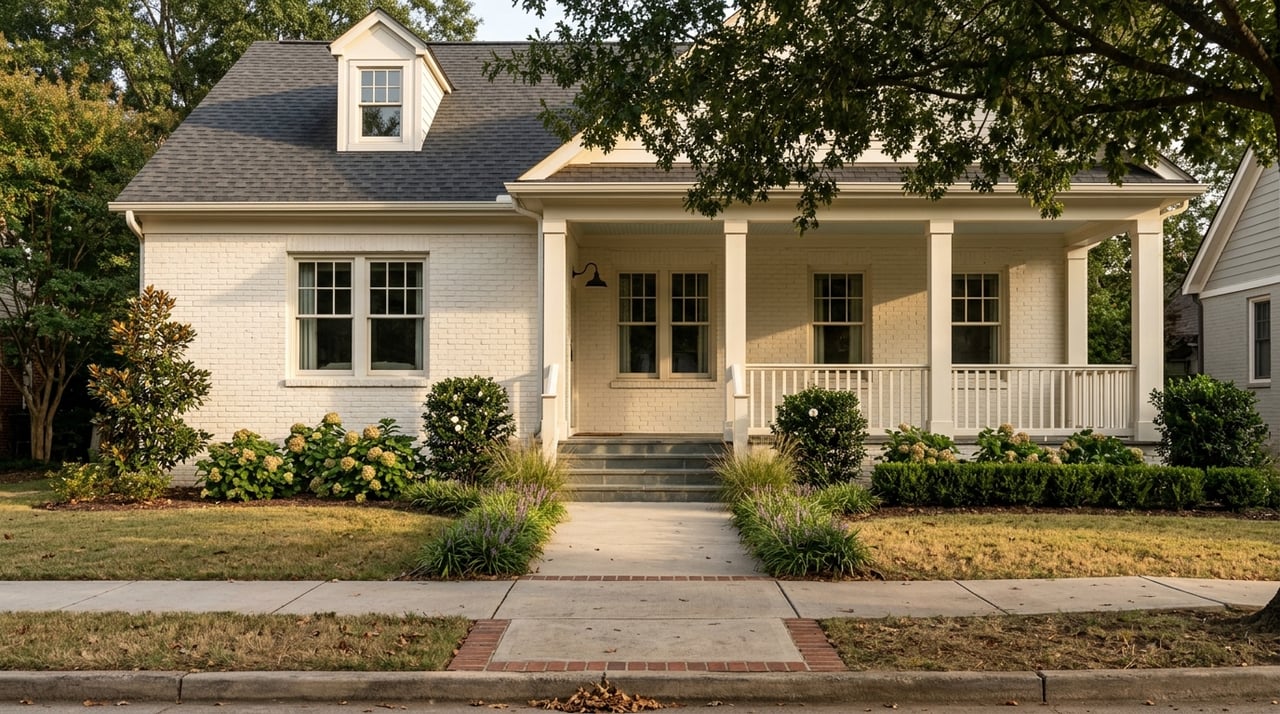
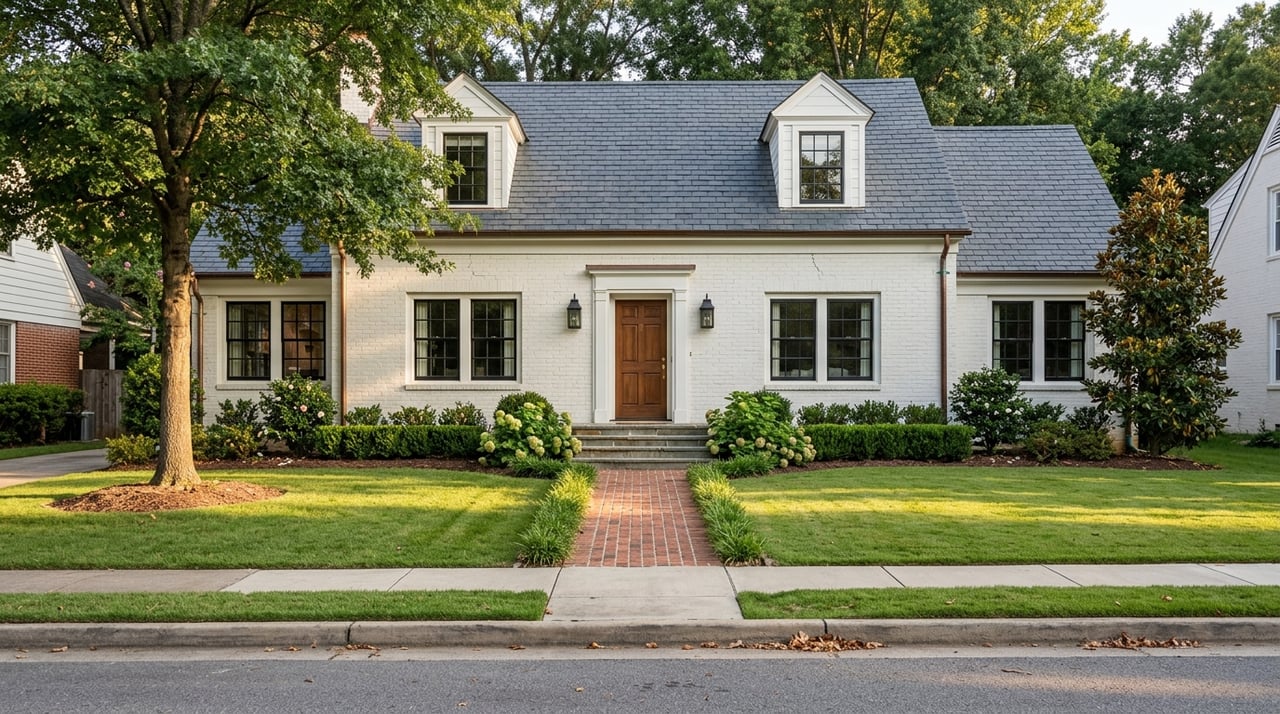
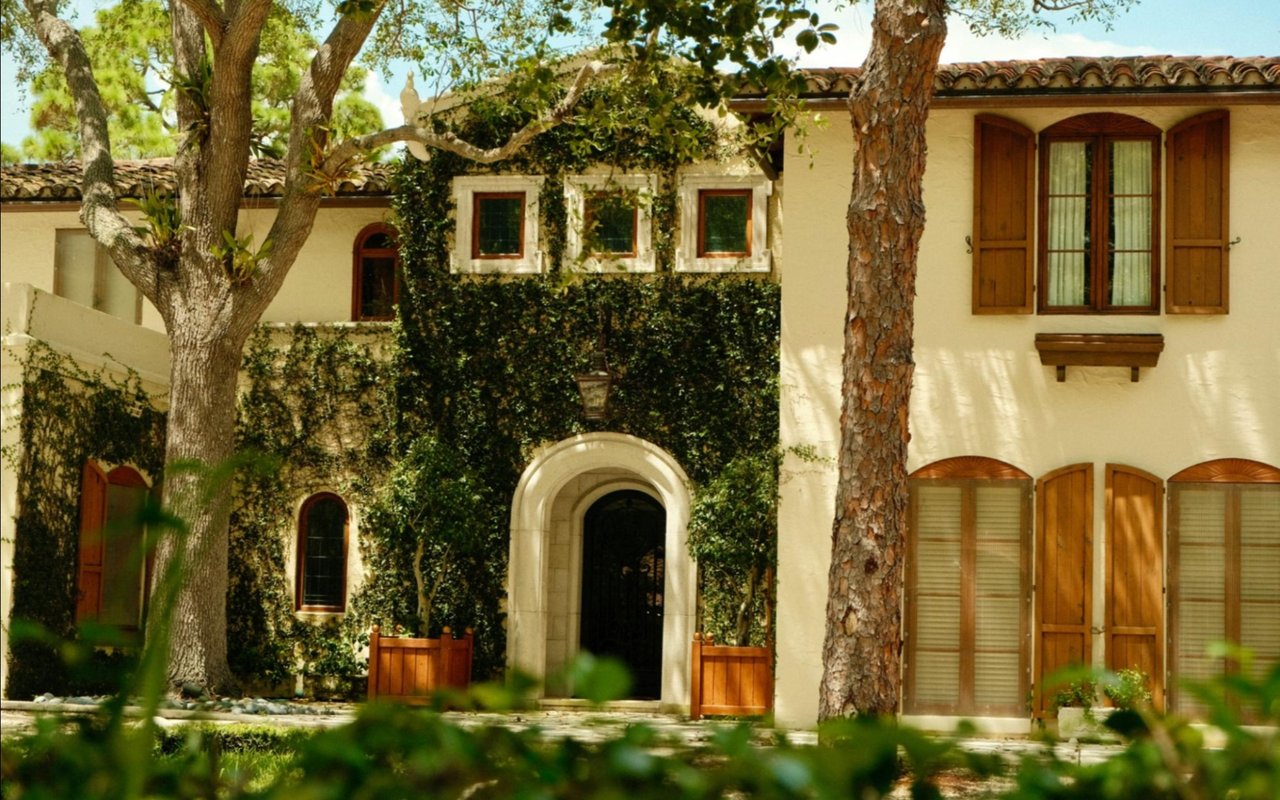
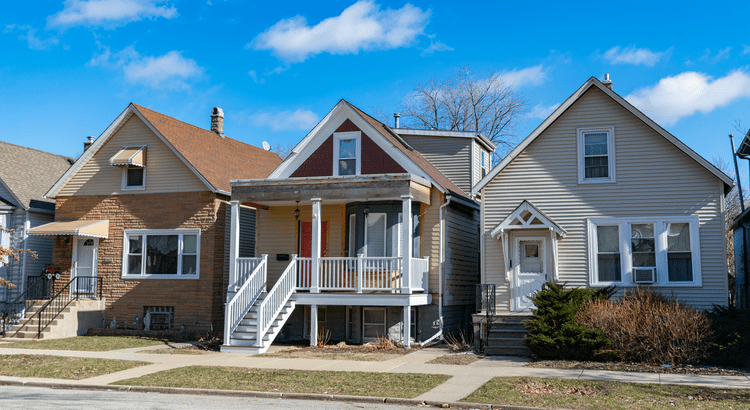
What gives Pettigru its identity is the blend of historic architecture and close-in location. City preservation materials say most buildings date from 1910 to 1930, and the district includes frame and brick construction with Queen Anne, bungalow, and Colonial Revival forms. The National Register description also points to Victorian and Craftsman influences, which adds to the variety you notice from one block to the next.
What the Streetscape Feels Like
Pettigru is often appreciated for its tree-lined streets and consistent setbacks. Those details may sound small, but they shape the feel of the neighborhood and help create a cohesive historic setting.
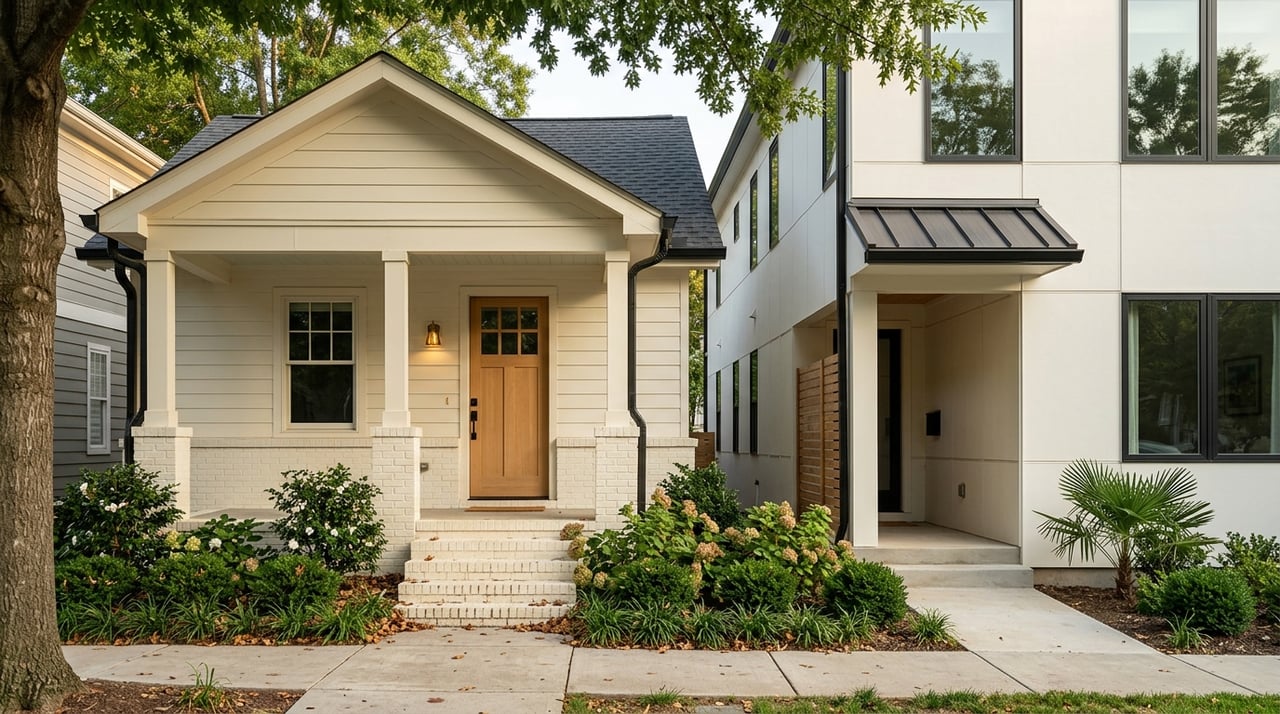
A Greenville historic-context document describes Pettigru as a middle-class neighborhood that developed along Pettigru Street between 1900 and 1920. It also notes a mix of Victorian houses, early Colonial Revival homes, bungalows, and local vernacular townhouses. For buyers who value visual character, that range can make the district feel more layered and interesting than newer construction areas.
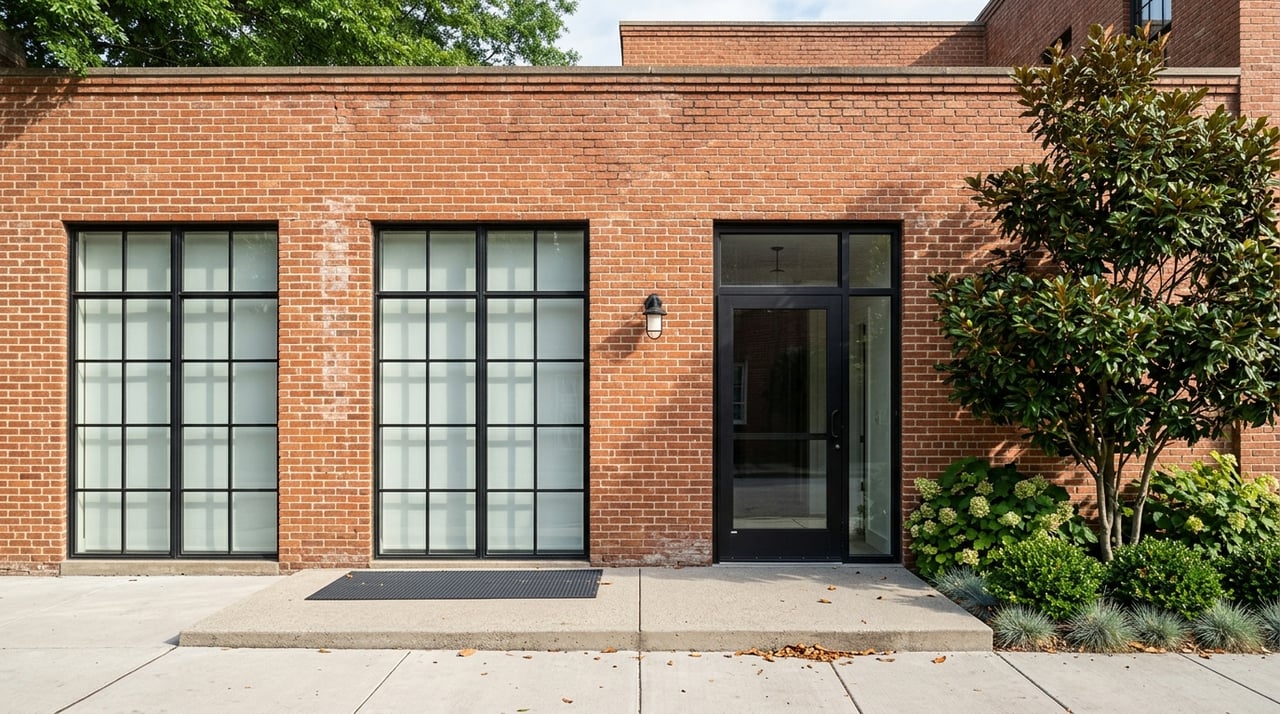
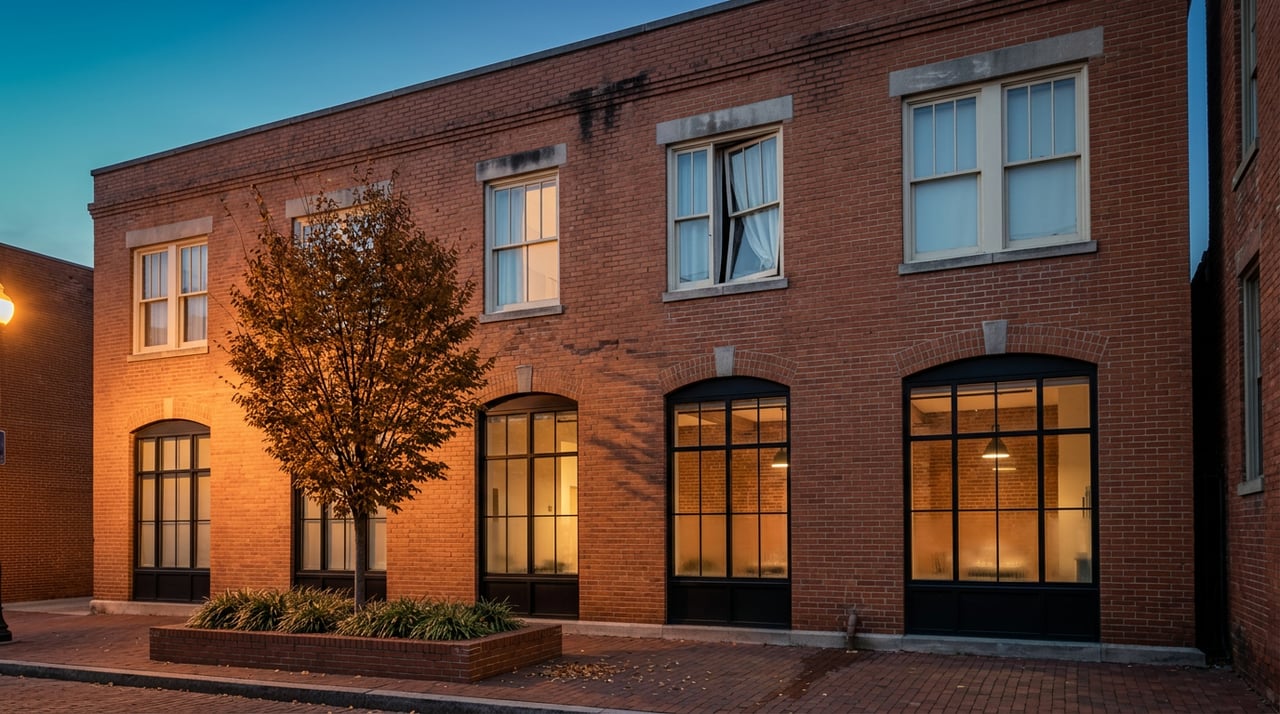
Another defining trait is its office-residential mix. City guidelines note that many houses in Pettigru are now used for professional offices, but the district is still intended to retain a residential character. In practical terms, that means you may find a neighborhood environment that blends historic homes, business use, and a location that still feels connected to everyday downtown activity.
Historic Homes and Property Character
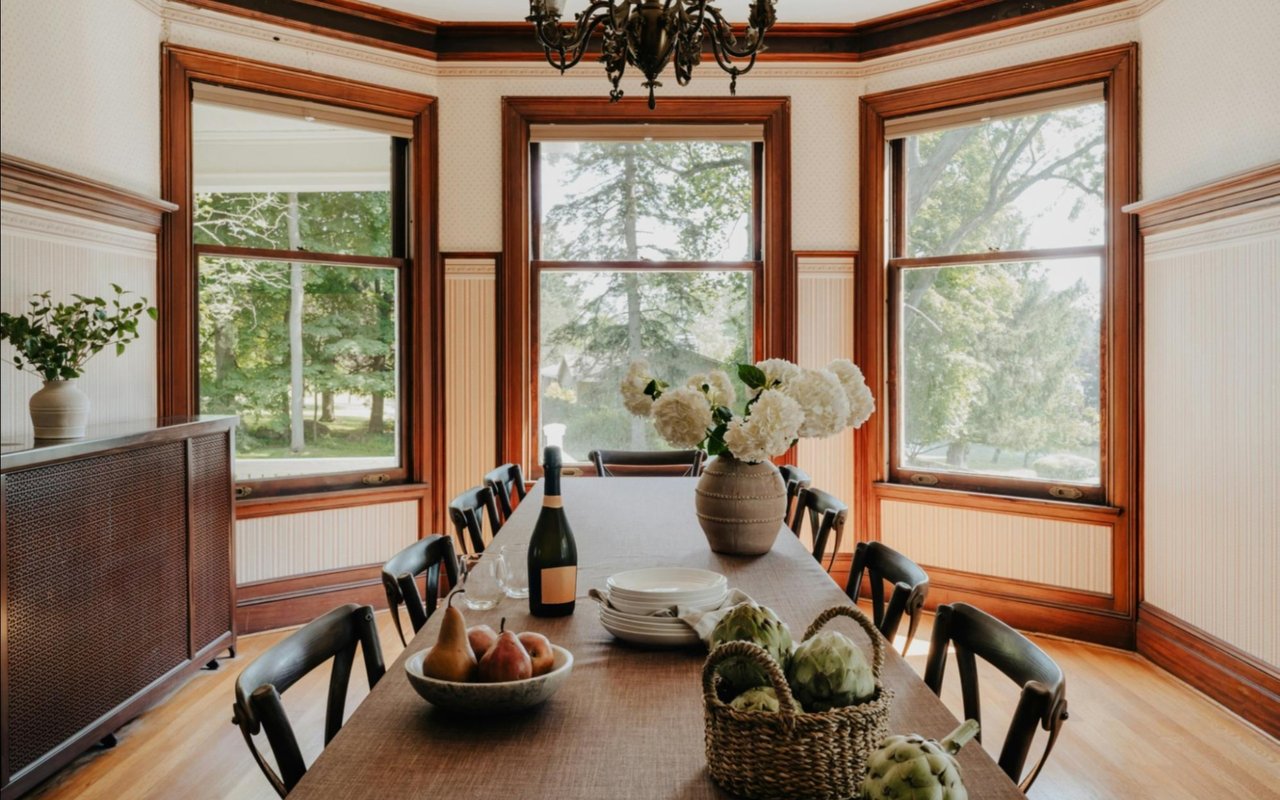
If you are drawn to older homes, Pettigru offers architecture that reflects an important period in Greenville’s growth. Many of the homes and structures in the district were built during the early 20th century, which gives the area a sense of continuity that can be hard to replicate.
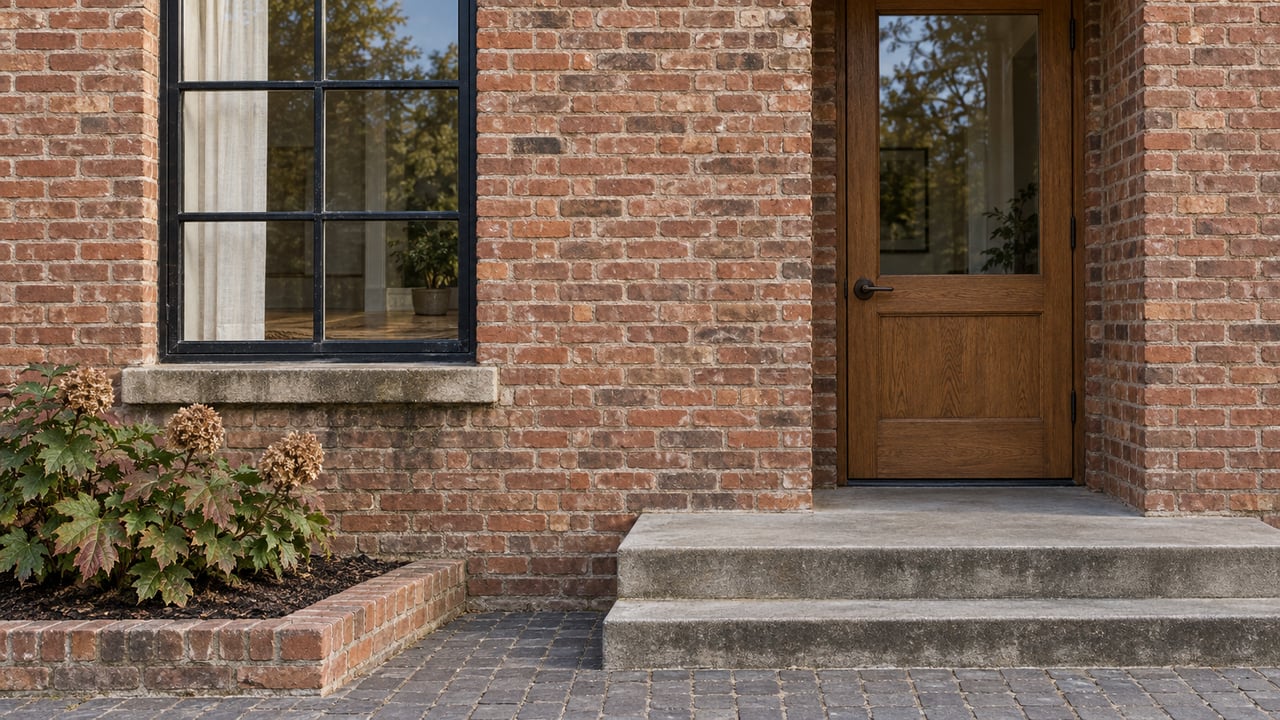
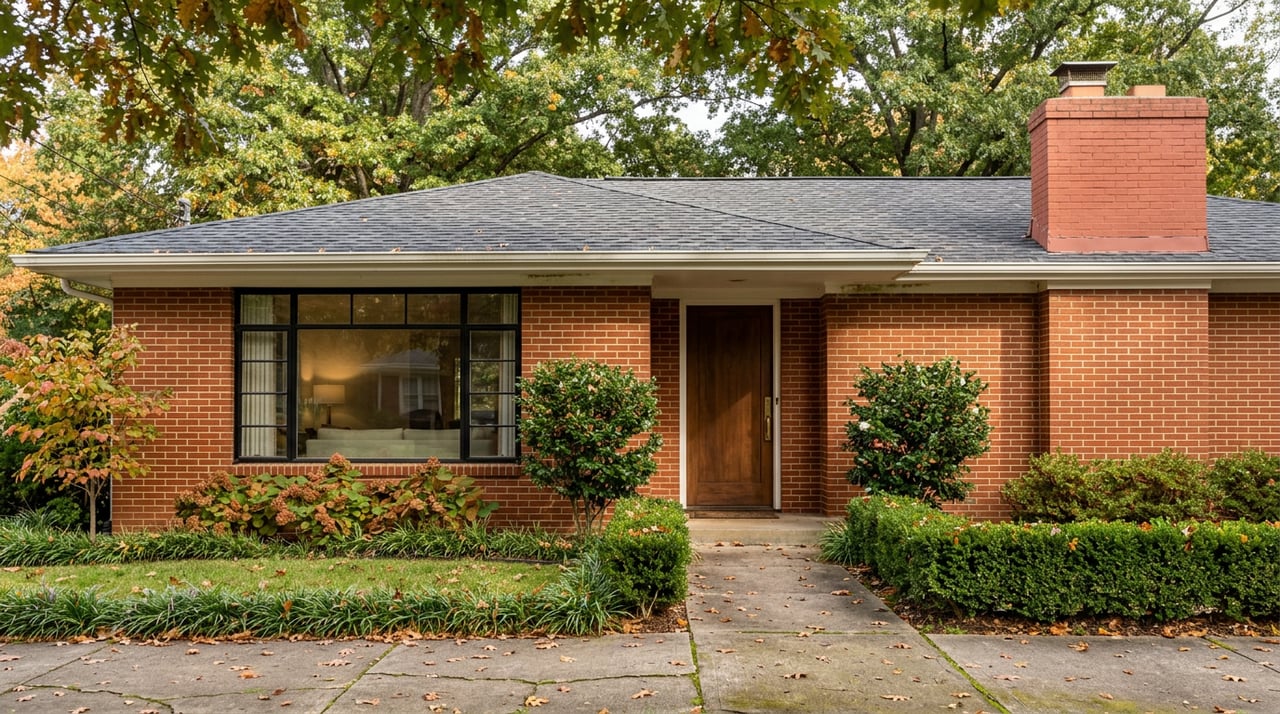
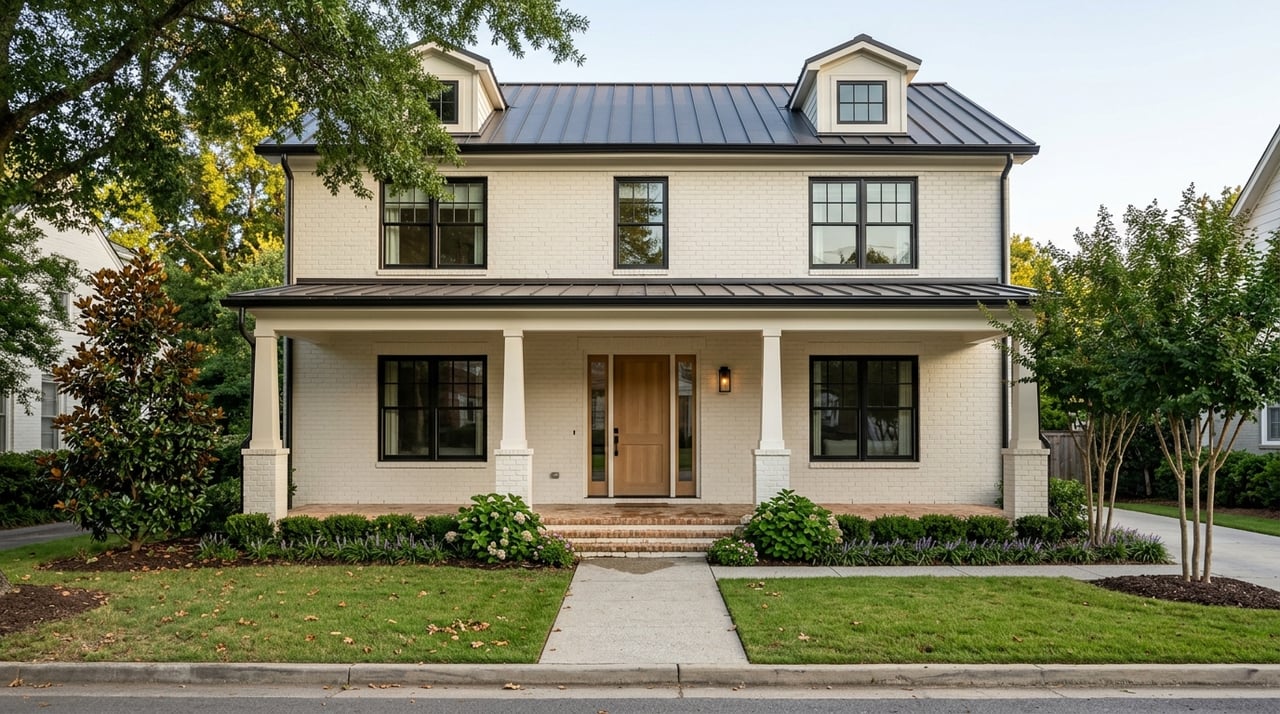
You may see details associated with Queen Anne, Colonial Revival, Craftsman, Bungalow, and Victorian design. Depending on the property, that can include varied rooflines, front porches, brick or frame construction, and period-specific exterior details that support the district’s historic identity.
The area also connects to a broader story of in-town development. The same historic-context material notes the nearby Davenport Apartments, built in 1915, as Greenville’s first apartment building. That kind of context can matter if you are evaluating Pettigru not just as a place to live, but as part of Greenville’s long-term urban fabric.
Downtown Access Without Being In the Middle of It
One of Pettigru’s biggest advantages is proximity. Because the district sits just off downtown, you can stay close to many of Greenville’s best-known destinations without being directly in the center of the busiest activity.
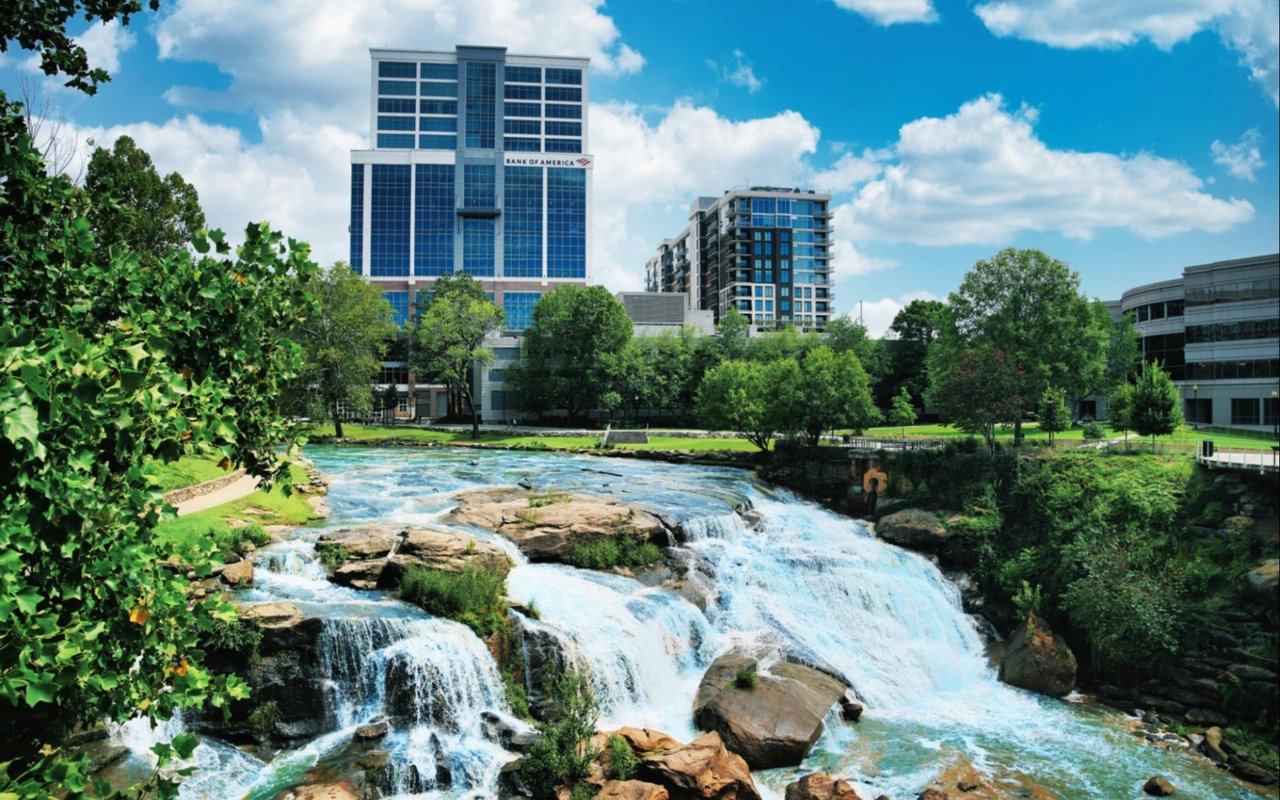
Greenville’s official visitor information highlights downtown amenities such as Falls Park, the Swamp Rabbit Trail, the Greenville County Museum of Art, the Peace Center, and Bon Secours Wellness Arena. The city’s downtown visitor map also identifies Pettigru Historic District as a downtown point of interest, which reinforces how connected the area is to the broader downtown experience.
That access can be meaningful whether you enjoy outdoor space, live performances, cultural attractions, or simply being near major destinations. Falls Park is located at 601 South Main Street, the Peace Center is at the corner of Broad and Main, the Greenville County Museum of Art is at 420 College Street on Heritage Green, and Bon Secours Wellness Arena is at 650 North Academy Street.
How Pettigru Compares to Nearby Historic Areas
If you are considering several in-town Greenville neighborhoods, Pettigru occupies a useful middle ground. Official district histories suggest it developed later than Hampton-Pinckney, while still offering a similarly close-in setting.
Compared with West End, Pettigru is generally less entertainment-oriented. Compared with some more purely residential districts, Pettigru has a more visible office influence. That distinction can appeal to buyers who want historic charm and central convenience, but who also understand that the neighborhood has a slightly different rhythm than other nearby areas.
East Park Avenue, Overbrook, Heritage, and other historic districts each have their own development story. Pettigru’s identity comes from its early-1900s roots, preserved architecture, and its position just east of downtown rather than within a more commercial core.
What Buyers Should Know About Historic District Rules
If you are thinking about buying in Pettigru, it helps to understand how local historic district rules may affect ownership decisions. In Greenville, exterior alterations within a designated historic district require a Certificate of Appropriateness through the Historic Review Board.
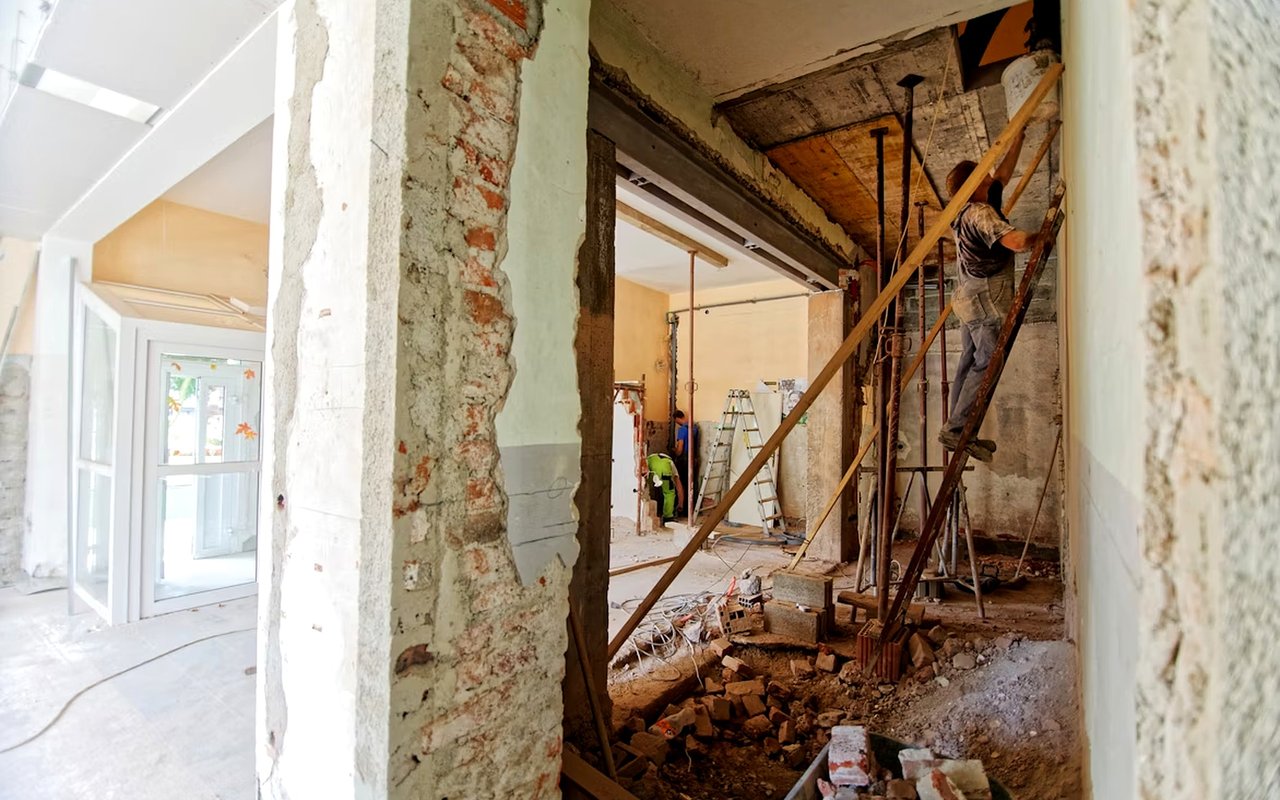
That means changes to a property’s exterior may need review before work begins. Demolition of properties in a historic district also requires Historic Review Board approval. If you are comparing properties, this is an important part of due diligence because renovation goals, project timing, and approval requirements can affect both cost and planning.
The City of Greenville also uses a Historic Properties Special Tax Assessment form to evaluate and verify rehabilitation plans and qualifying expenses. For buyers considering restoration or improvement work, that is another practical detail worth reviewing early in the process.
Is Pettigru a Good Fit for You?
Pettigru can make sense if you want a neighborhood with established architecture, mature streetscapes, and quick access to downtown Greenville. It may also appeal to buyers who value the character of older homes and understand the added responsibility that can come with owning property in a historic district.
The area is not defined by just one home style or one type of use. Instead, it offers a blend of residential history, architectural variety, and office-residential overlap that gives it a distinct place among Greenville’s in-town neighborhoods.
For some buyers, that mix is exactly the point. You get a historic setting, a location near major downtown destinations, and a neighborhood identity that feels rooted in Greenville’s development story.
If you are weighing historic homes, downtown access, or long-term value in one of Greenville’s most recognizable in-town districts, a careful, property-by-property approach matters. The Gallo Company brings local market knowledge, financial clarity, and hands-on guidance to help you evaluate neighborhoods like Pettigru with confidence.
FAQs
What is the Pettigru Historic District in Greenville, SC?
- Pettigru Historic District is a designated historic district just east of downtown Greenville, known for its early-20th-century architecture, tree-lined streets, and close-in location.
What types of homes are found in Pettigru District?
- City and National Register materials describe a mix of Queen Anne, Victorian, Colonial Revival, Craftsman, and bungalow-style buildings, with most dating from about 1910 to 1930.
How close is Pettigru District to downtown Greenville attractions?
- Pettigru sits just off downtown and near destinations such as Falls Park, the Peace Center, the Greenville County Museum of Art, Bon Secours Wellness Arena, and the Swamp Rabbit Trail.
What should buyers know about owning property in Pettigru Historic District?
- Exterior changes in the district require a Certificate of Appropriateness through Greenville’s Historic Review Board, and demolition also requires board approval.
How is Pettigru different from other Greenville historic neighborhoods?
- Pettigru is similarly close-in to other historic areas but stands out for its mix of residential character and professional office use, along with its position just east of downtown.