If you walked your dog through McPherson Park last weekend, you probably noticed the fencing. Part of the court area near the tennis lines is roped off, and the pickleball crowd that usually claims that single taped-over tennis court by 8 a.m. on a Saturday has scattered to the sidelines to wait their turn on what's left. This is not a park falling into disrepair. It is the opposite: the city is finally giving the busiest amenity in the park a real upgrade, and the fencing is the first sign of it.
For years, McPherson Park's pickleball scene has been an improvisation. The park has two tennis courts, and only one of them ever got lined for pickleball, with a net borrowed straight off the tennis setup and left slightly too tall for a proper pickleball game. It worked because nobody had a better option nearby, and because the price was right at exactly zero dollars. But an improvisation only holds up so long before the demand outgrows the workaround, and that is what has been happening at 120 E. Park Avenue.
The city's own McPherson Court Renovations page confirms what the fencing implies: the courts are getting rebuilt, with improved tennis courts and a dedicated pickleball court replacing the old shared-line setup. That is a meaningful difference from a taped tennis court. A dedicated court gets its own net height, its own surface markings, and none of the awkward negotiation with tennis players about whose game gets priority on a Saturday morning.
What Actually Changes Here
For a neighborhood that treats this park the way other neighborhoods treat a backyard, the renovation is worth understanding in specifics rather than vague reassurance that "improvements are coming." Here is what the park currently offers, and what is in the middle of changing:
- Two tennis courts, one previously double-purposed for pickleball with an overlaid line and a too-tall net
- A dedicated pickleball court under construction as part of the current renovation, separate from the tennis surface
- A free 18-hole miniature golf course that has zero admission fee, but does require you to bring your own putter and ball, since the park does not rent equipment outside business hours
- Two playgrounds, one near the mini golf course and a second, less-visited one tucked further into the park near the creek
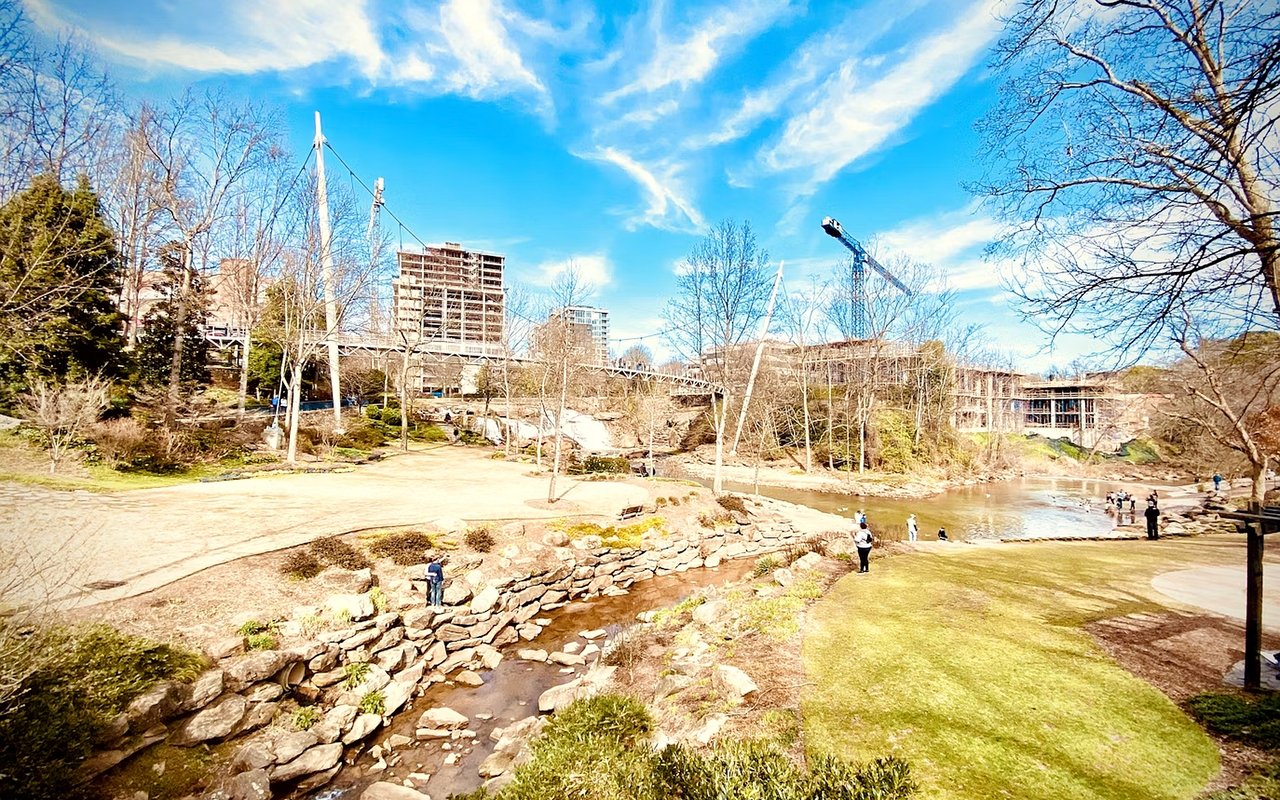
- Shaded walking trails crossing a small stream by way of pedestrian bridges, open on a leash-required basis for dogs
- Picnic shelters and the Sears Recreation Center, available to rent for gatherings
The mini golf detail trips up more first-time visitors than anything else in the park. It reads as a throwaway line on review sites, but it is the single most common source of confused Google reviews about the park: people show up expecting rental clubs the way you would at a commercial putt-putt course, and there are none available outside staffed hours. Bring your own set from home, or the course does you no good.
A Park Built by One Donation and Shrunk by One Road
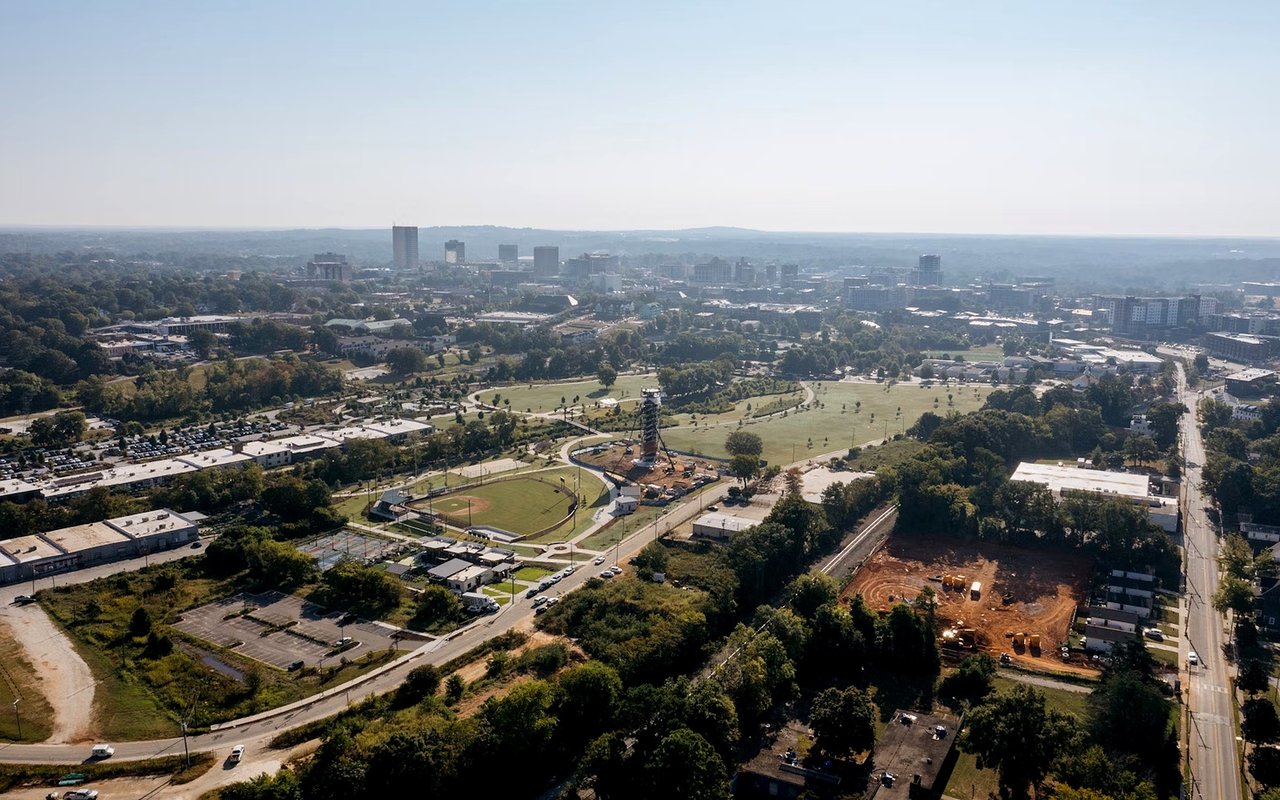
The renovation matters more when you know how the park got its current footprint, because it explains why 12.5 acres in the middle of a residential grid still feels generous rather than cramped. In June 1884, Caroline Cleveland Choice, widow of attorney and political activist William Choice, donated 2.6 acres of land to the city. Greenville added another 5.7 forested acres it had purchased two years earlier, and the combined parcel became the city's first public park, originally known simply as City Park. In 1911, businessman and former mayor William Choice Cleveland donated additional acreage, including the site of an old tannery, and at its largest the park stretched across roughly 32 acres.
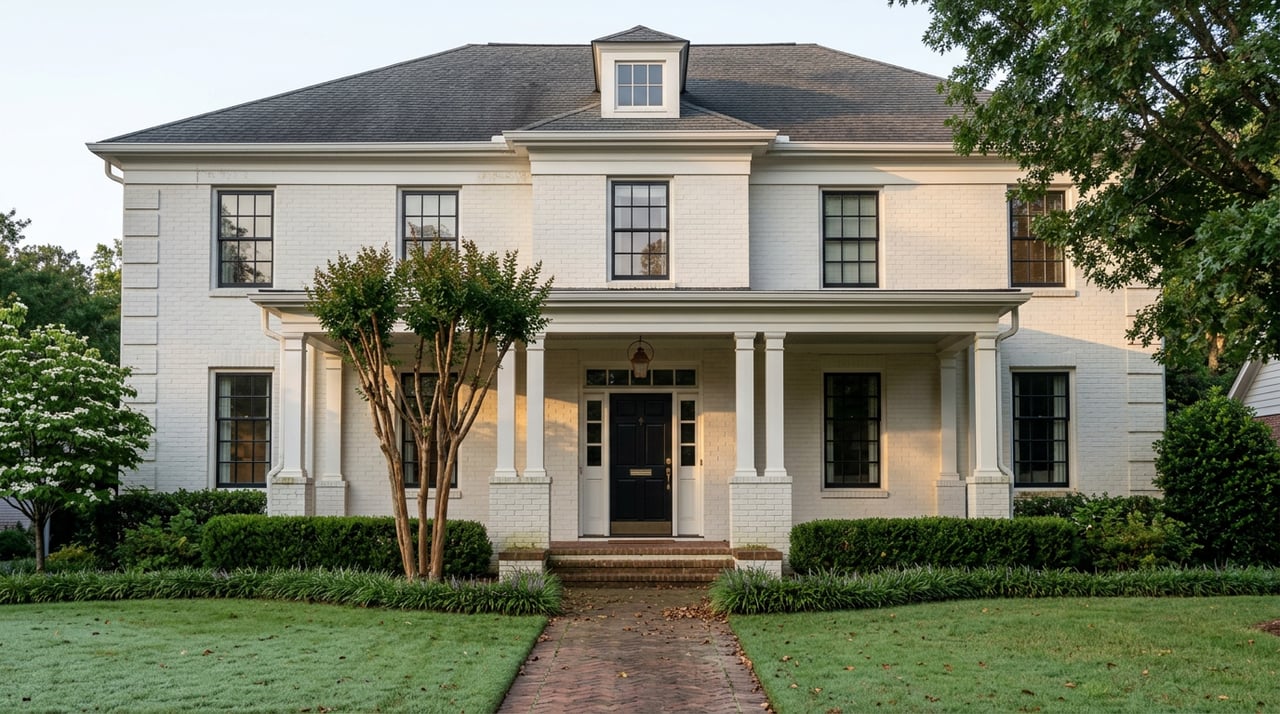
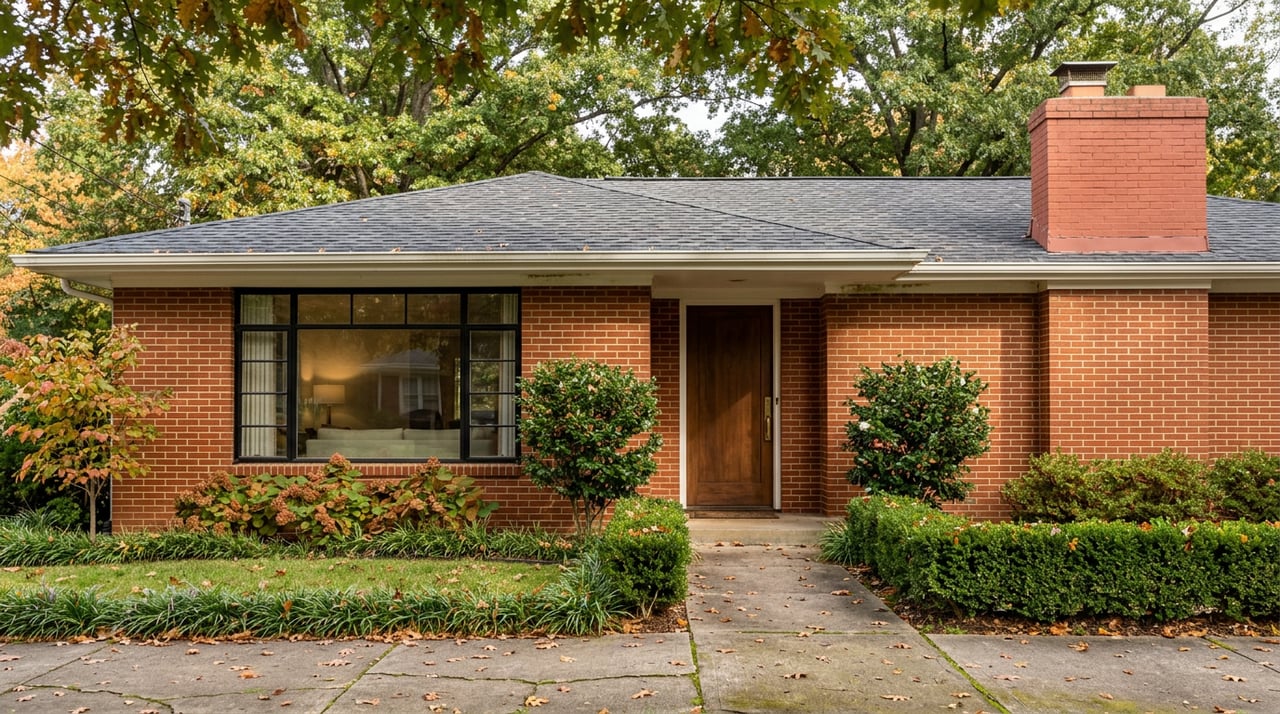
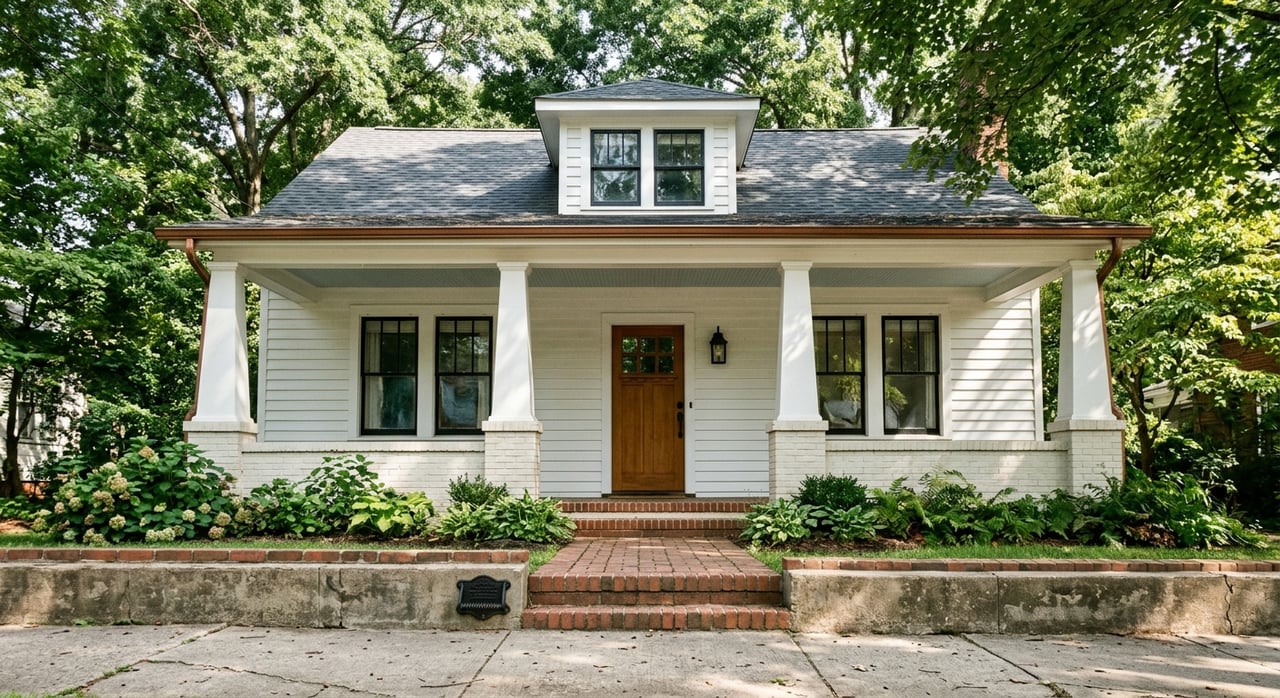
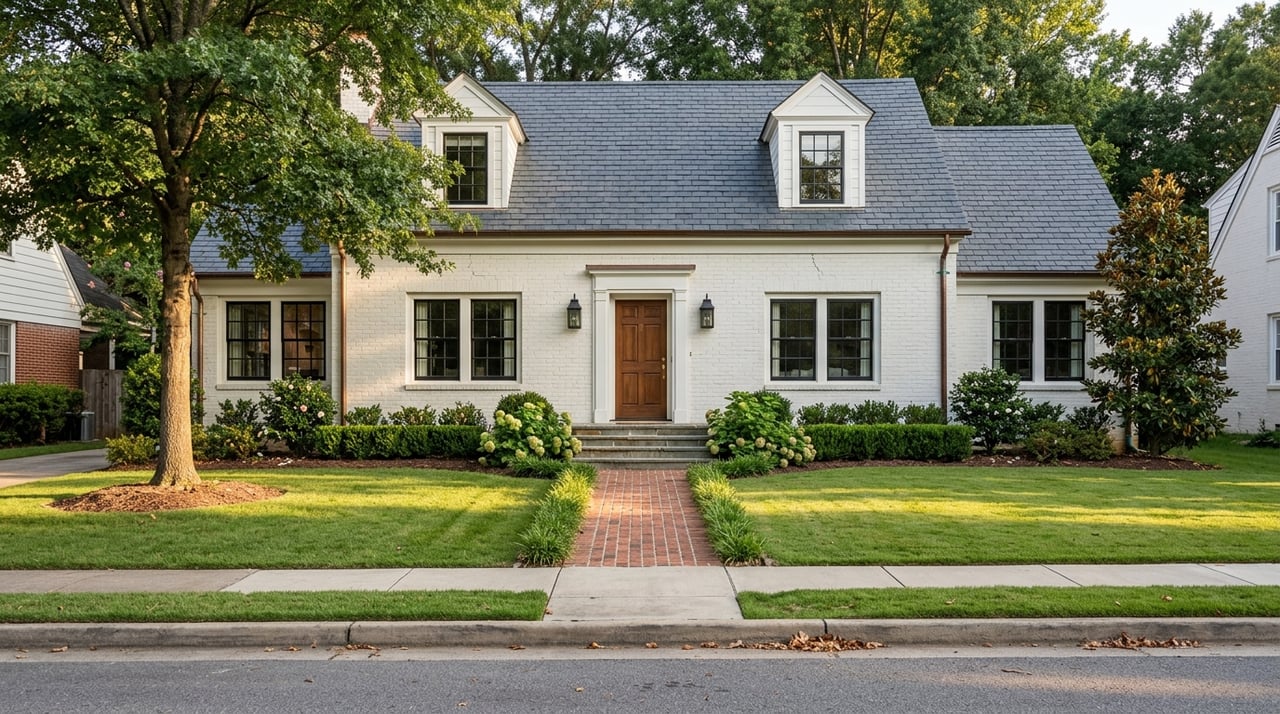
That size didn't last. The construction of Academy Street in the early twentieth century cut straight through the property, and the park was reduced to the 12.5 acres it holds today. The name changed too, honoring John Alexander McPherson, a Greenville-born mill architect and longtime chairman of the city's Tree and Park Commission, who is credited with installing the city's first children's playground equipment right here in 1915. The park earned a spot on the National Register of Historic Places in 2005 as part of the broader East Park Historic District, alongside the neighborhood's Tudor Revival and Colonial Revival homes that ring its edges.
The log cabin still standing near the Sears Recreation Center carries its own small chapter. From 1987 to 2010, it operated as a consignment shop where retirees sold handmade crafts, a detail that shows up in almost none of the park's current signage but explains why longtime residents sometimes still call it "the craft cabin" out of habit.
The Trail Loop Most People Skip
The walking trail gets described in every generic write-up as "shaded" and "peaceful," which is true but tells you nothing about how to actually use it. The loop crosses the park's small stream by way of several pedestrian bridges, and the section past the second, quieter playground is the part most casual visitors never reach, since the main entrance and mini golf course draw people toward the front of the park and few wander the full distance to the back. If your dog needs a longer stretch than a quick lap, that back loop is where you get it, with less foot traffic and more canopy than the section nearest the parking area.
Dogs are allowed on leash throughout, which puts McPherson Park in the same category as most Greenville city parks, though it is worth noting for anyone new to the area that this is a park policy rather than a citywide blanket rule, so it is worth confirming before assuming the same applies everywhere you walk.
After the Park
The park sits close enough to North Main that a short walk turns a morning at McPherson into a full outing. Ji-Roz, the family-run Greek restaurant now on North Main Street, built its following on scratch-made dishes that blend Greek roots with chef-trained technique. A few blocks over on West Stone Avenue, The Bohemian Cafe has been serving lunch and weekend brunch since 2005, with a build-your-own bloody mary bar that has become something of a neighborhood institution on Saturday and Sunday mornings.
Neither restaurant sits directly on East Park Avenue itself, but both are close enough that walking is the practical choice, especially once you have already parked at the park for a morning of mini golf or a pickleball wait.
Why the Court Investment Is the Real Story
It would be easy to read the fencing around the courts as routine maintenance and move on. But cities do not fund dedicated pickleball infrastructure for courts nobody uses. The renovation at McPherson Park is a response to demand that outgrew a shared tennis line years ago, and it tells you something about how this park actually functions day to day that no amount of "charming historic green space" language captures. People are here enough, often enough, competing for court time enough, that the fix required more than fresh paint.
That is the thing about East Park Avenue that does not show up in a drive-by. The neighborhood's daily rhythm runs through this one park, and right now that rhythm is loud enough that the city noticed.
The Gallo Company keeps a close eye on the small, unglamorous details that shape daily life in Greenville's historic neighborhoods, from court renovations to the restaurants filling in around them. If East Park Avenue's mix of history and daily use has you curious about what else the neighborhood offers, The Gallo Company is always happy to talk through what makes this corner of Greenville work.