Walk down Lois Avenue on a Saturday and you will smell something different depending on the month. Jerk chicken one visit. Fresh-brewed coffee and pastries the next. A curry base simmering behind a storefront that had breakfast burritos on the menu six weeks earlier. The address at 12 Lois Ave hasn't changed. What's cooking inside it has, by design, and that design tells you more about where The Village is headed than any single new restaurant opening could.
The Kitchen That's Built to Turn Over
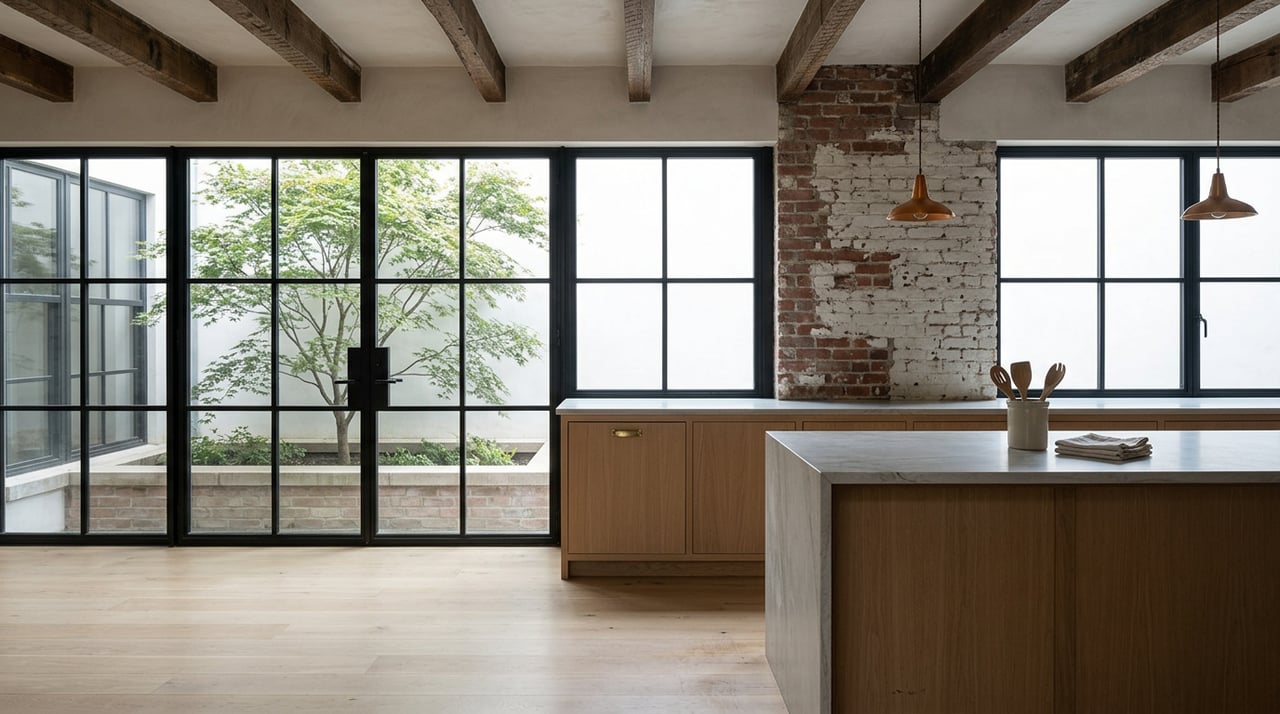
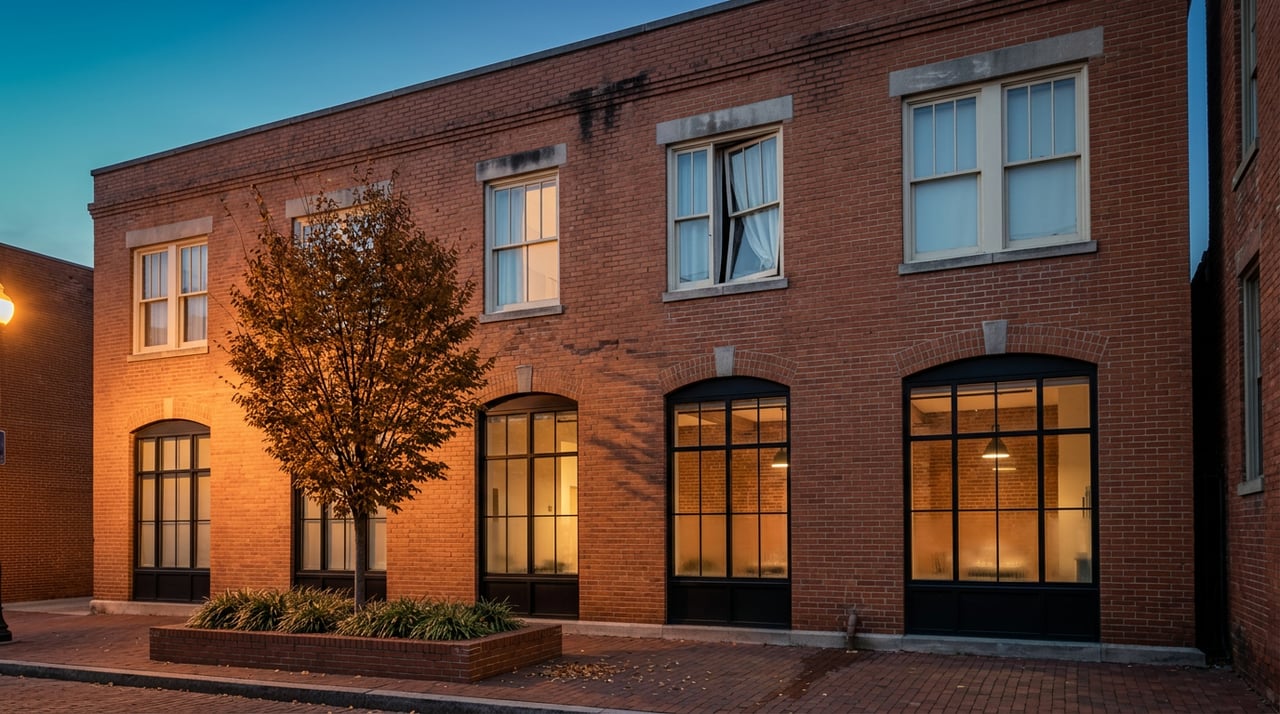
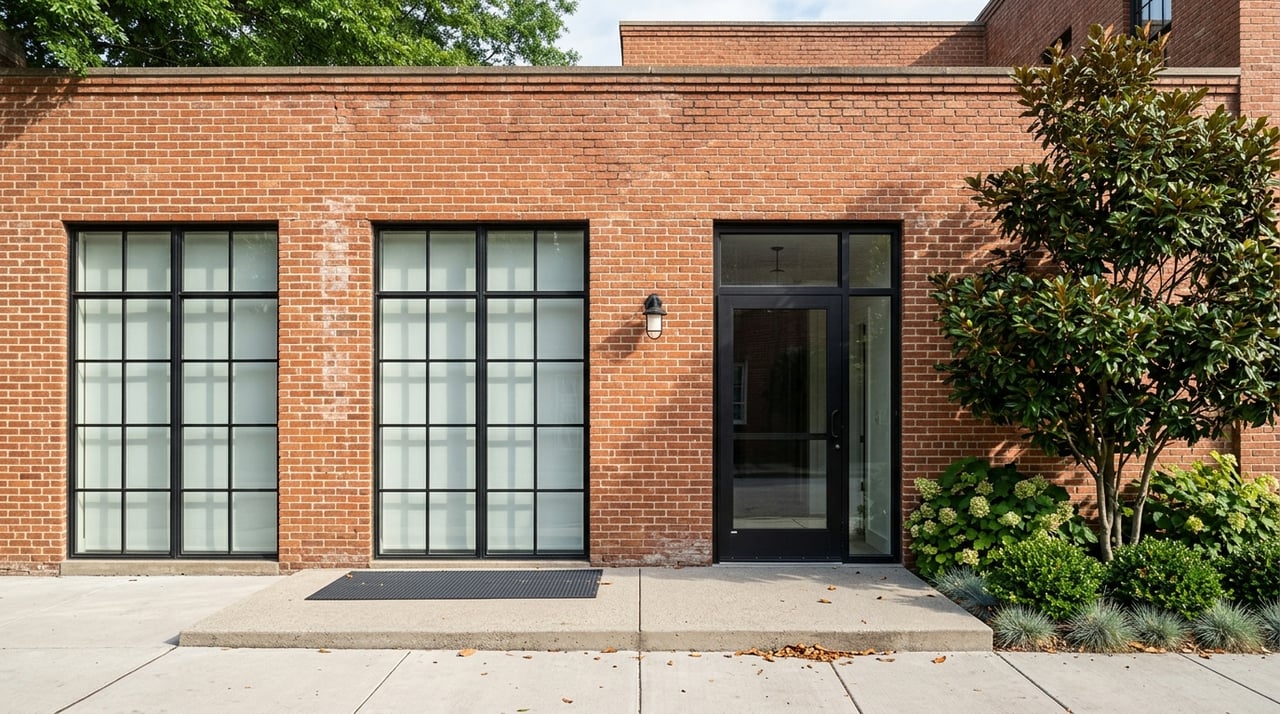
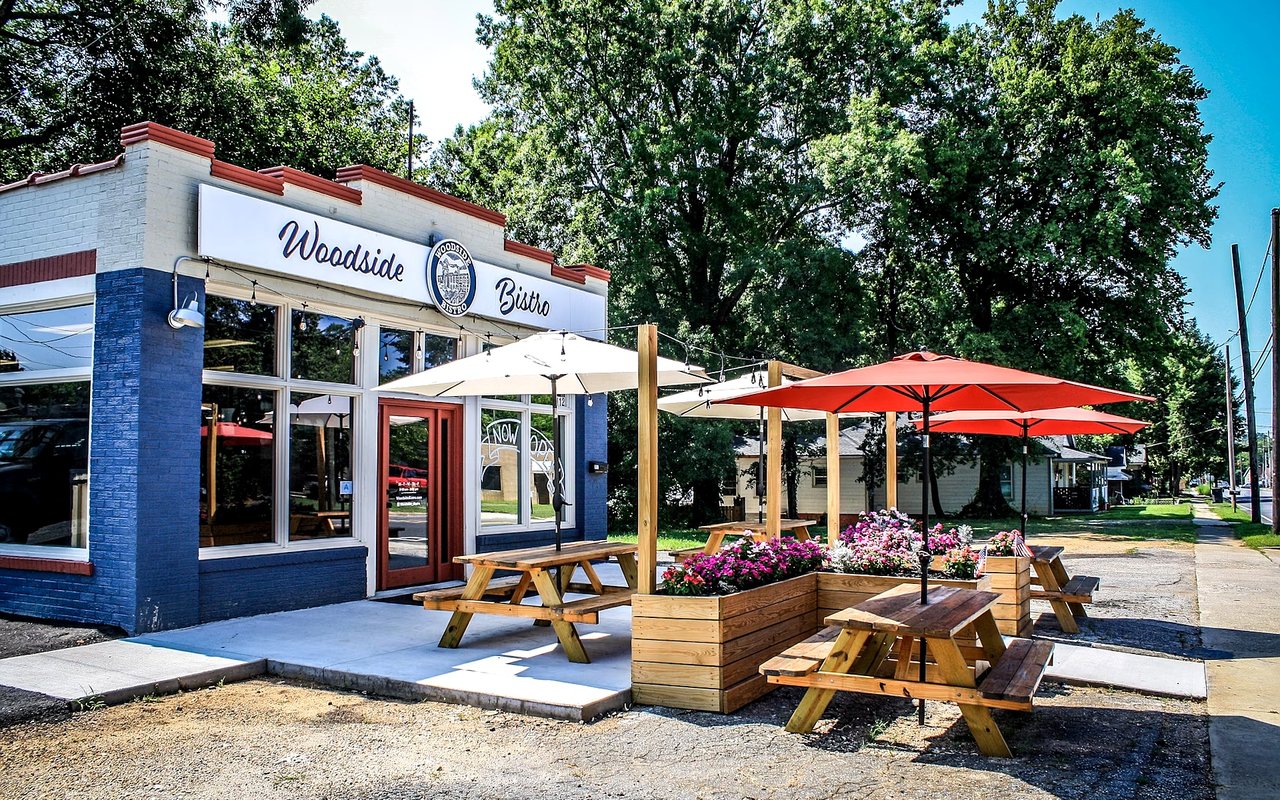
The space is called Hone, and it opened its doors on Dec. 15, 2025, in the former Driftwood location just a few blocks from Mill Village Ministries' main campus on Pendleton Street. It is not a restaurant in the conventional sense. It's a nonprofit incubator, a joint project of Mill Village Ministries and Village Launch, built by local restaurateur John Ko and Mill Village Ministries executive director Dan Weidenbenner to give food entrepreneurs a physical place to test a concept before they sign a lease of their own.
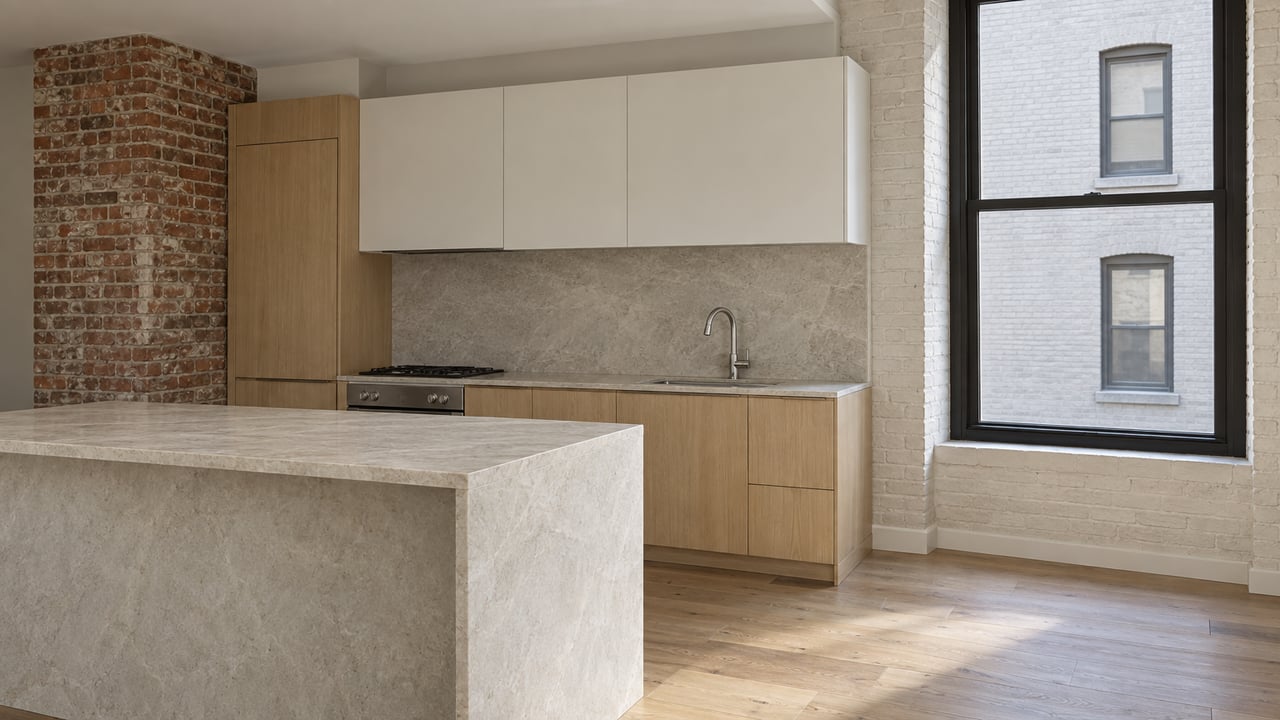
Half the suite is dedicated to a rotating lineup of vendors. The other half is set aside for private dining and specialty dinners. There's a full bar, but it only operates when a chef is on duty. Local beers and a wine program through Mission Grape round out the offering, but the point of Hone was never the drink list. It was giving someone a controlled environment to find out if their concept works before betting a full commercial lease on it.
Who's Been Cooking Since the Doors Opened
When Hone held its grand opening, the founding cohort included concepts sharing the kitchen:
- Coffee Coffee, run by Jeremiah Romo and Matt Patch
- Daylight Burrito, from Richie Mata'afa
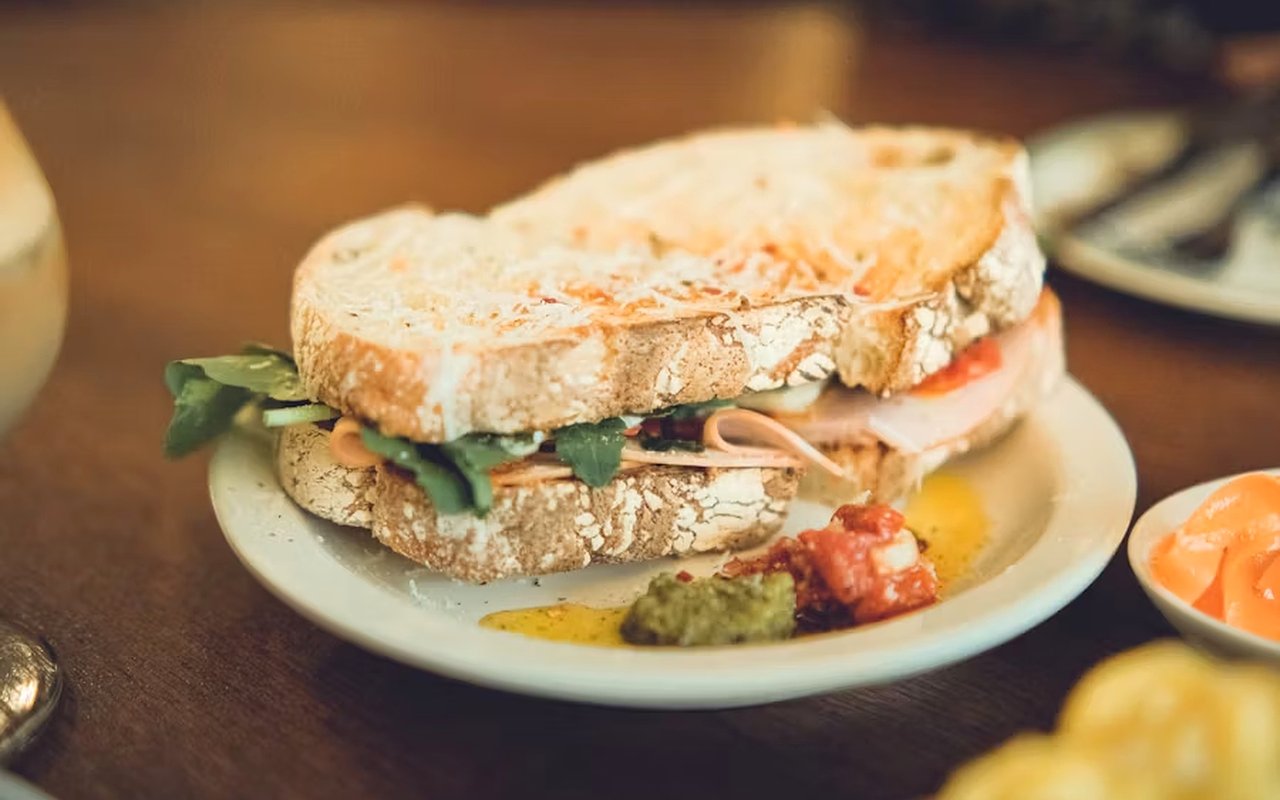
- The Tasti Plate, Aquila Kentish's Caribbean menu of curry goat, oxtail, jerk salmon and jerk chicken sandwiches
- Muni Muni and LolaCeli, both from Michael Izzard
That's the lineup that greeted the neighborhood over the winter. The design of the place means it won't be the permanent roster. Before Hone had a physical address, Ko described the reasoning behind building it this way in blunt terms: too many people were opening restaurants quickly and closing just as fast, and he wanted to build something that slowed that cycle down rather than fed it.
That's the actual function of the space. It isn't a food hall. It's a proving ground, and the vendors inside it are there because they're trying to answer the same question every small restaurant owner in Greenville eventually has to answer: does this work well enough to justify a storefront of my own?
The Bigger Pattern Underneath It
Here's the part that's easy to miss if you only think of Hone as a nice place to grab lunch. Mill Village Ministries isn't just running a mentorship program on the side. It's been quietly building the physical infrastructure that determines where a graduate of Hone would actually go next.
The nonprofit completed roughly $6 million in redevelopment of its central hub at 1186 Pendleton St, converting a 10,000-square-foot warehouse into a training center, boardroom and office space, with a new pedestrian plaza and streetscape improvements added in partnership with the city. That's the same organization backing the incubator, which means the group teaching restaurateurs how to run a business is also one of the larger property developers actively shaping the corridor those businesses would eventually move into.
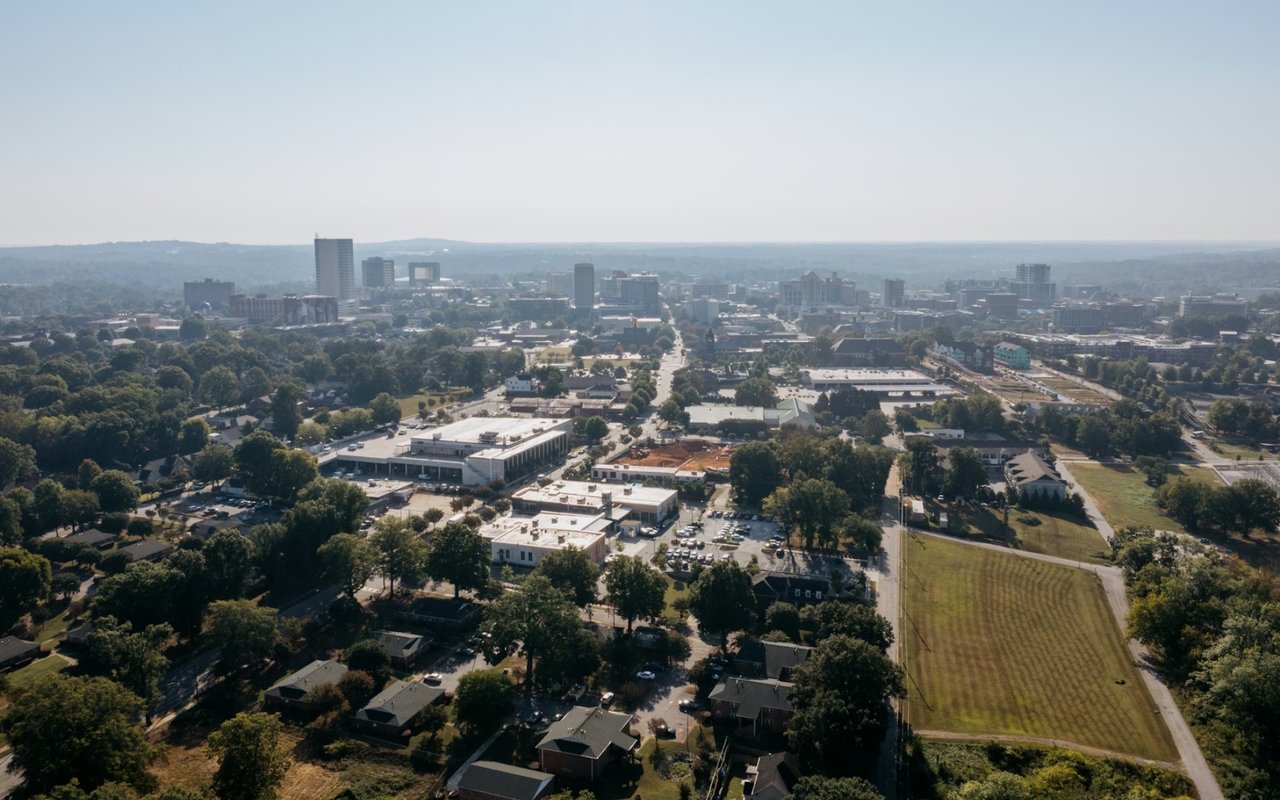
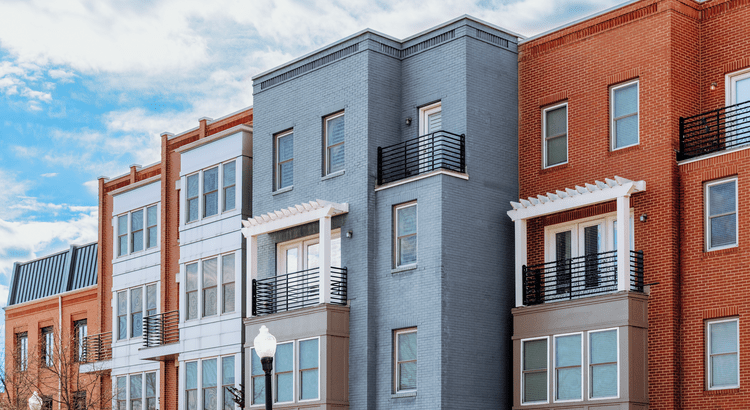
And there's a lot of new corridor coming. Woven, the mixed-use project planned for the west side of the commercial district between Saco and Traction streets, is set to bring roughly 30,000 square feet of retail, restaurant and gallery space alongside 214 residential units. The Kitson, next door, is adding 24 townhomes and four cottages on 1.4 acres at Pendleton and Kitson. And just east of the district, Red Cedar Homes is planning Pendleton Square, a $20 million, 36-townhome project priced around $750,000 per unit, with vertical construction expected to start by late 2026 or early 2027.
None of these projects are restaurant space specifically reserved for Hone graduates. But look at the shape of what's happening. A nonprofit is running a low-risk kitchen where food entrepreneurs test concepts, while the same organization and the developers building around it are adding thousands of square feet of commercial frontage over the next few years. The Village isn't just growing. It's building the pipeline that determines who fills that growth, one test kitchen at a time.
Why Your Walk to First Fridays Keeps Changing
If you've lived here a while, you've probably noticed the signage on Pendleton Street reads differently than it used to. In April 2025, the Village of West Greenville Business Association rebranded the district as simply The Village, a change spearheaded by a student team from Clemson University's Cadency program after months of surveys and interviews with business owners. The goal was straightforward: distinguish this corridor from downtown's West End, which sits closer to Main and Augusta and includes landmarks like Fluor Field. Different neighborhood, different identity, and now a different name on the map.
What hasn't changed is the monthly rhythm. First Fridays, the Metropolitan Arts Council's gallery crawl, still runs from 6 to 9 p.m. on the first Friday of every month, with galleries and studios throughout the district opening their doors together. It remains the one fixed point on the calendar even as the tenant list underneath it keeps moving. If you're planning a First Friday walk based on what you remember from a year ago, you're planning around a map that's already out of date. Check what's actually open before you go. That's not a knock on the neighborhood. It's just what a corridor this active looks like right now.
What's Actually Coming This Fall
The next fixed date worth knowing is Oct. 2 and 3, when the VilLive Art + Music Fest returns for its next installment. The series has run across multiple weekends this year, including a Sept. 5 date at Pace Yards on Irvine Street that combined a free market, live concert, beer garden and kid zone. The October weekend brings a different lineup: Fireside Collective, Darby Wilcox & the Peep Show and the Jamie Wright Band, organized by the Village Business Association as part of the same free, multi-weekend series that's paired its Friday openings with First Fridays gallery hours all year.
Between the festival calendar and the rotating kitchen on Lois Avenue, there's a pattern worth naming plainly: The Village isn't a finished district you visit once and know. It's a corridor that's actively auditioning its own future, one concept and one construction project at a time. That's a strange thing to explain to someone who just moved here, but if you've lived through even one rotation at Hone, you already understand it without being told.
Keep Watching the Corridor
The next time someone asks what The Village is these days, the honest answer isn't a list of restaurants. It's that the neighborhood has built a formal mechanism for figuring out what comes next, and it's happening in a single kitchen on a side street most visitors never think to walk down.
If you're curious about what a corridor like this means for property values, rental demand or where the next wave of commercial space is likely to land, that's a conversation worth having with someone who watches these patterns for a living. The Gallo Company works across Greenville and the Upstate, including districts exactly like this one where the market moves faster than the map.