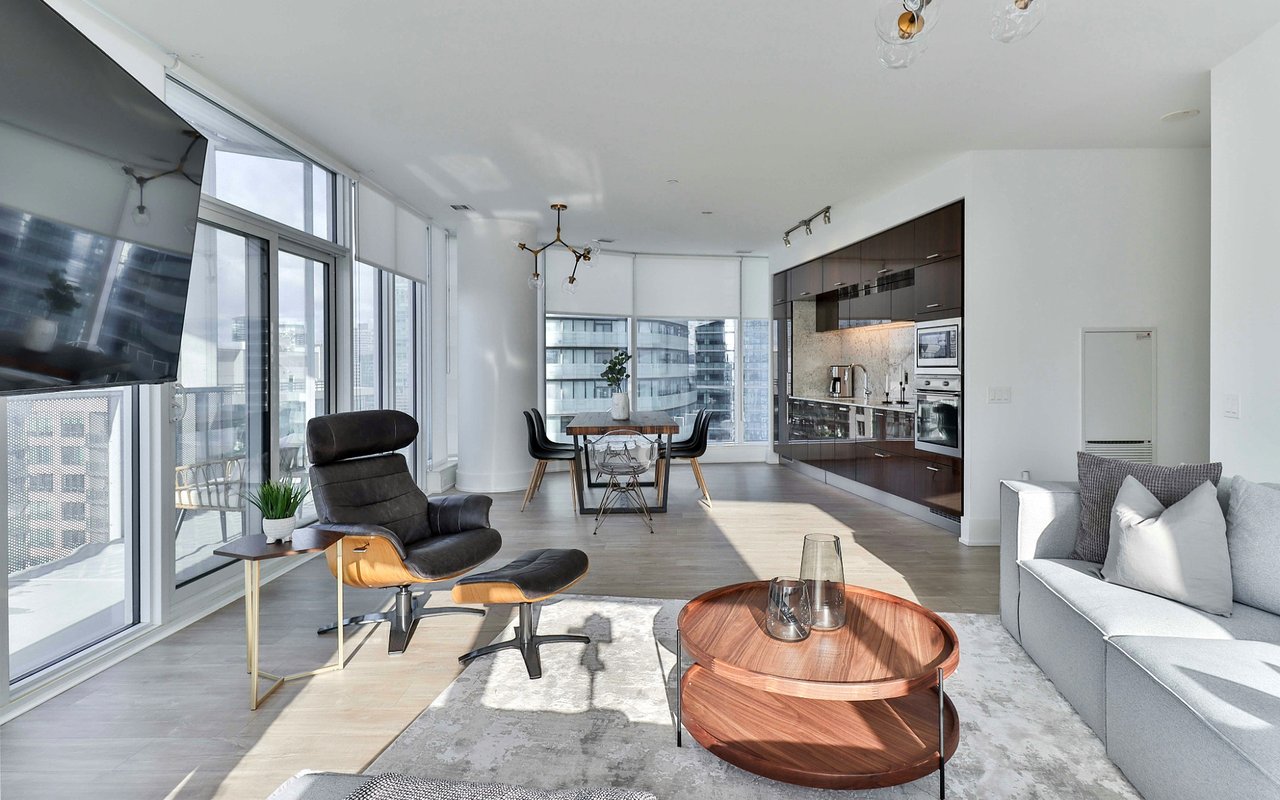
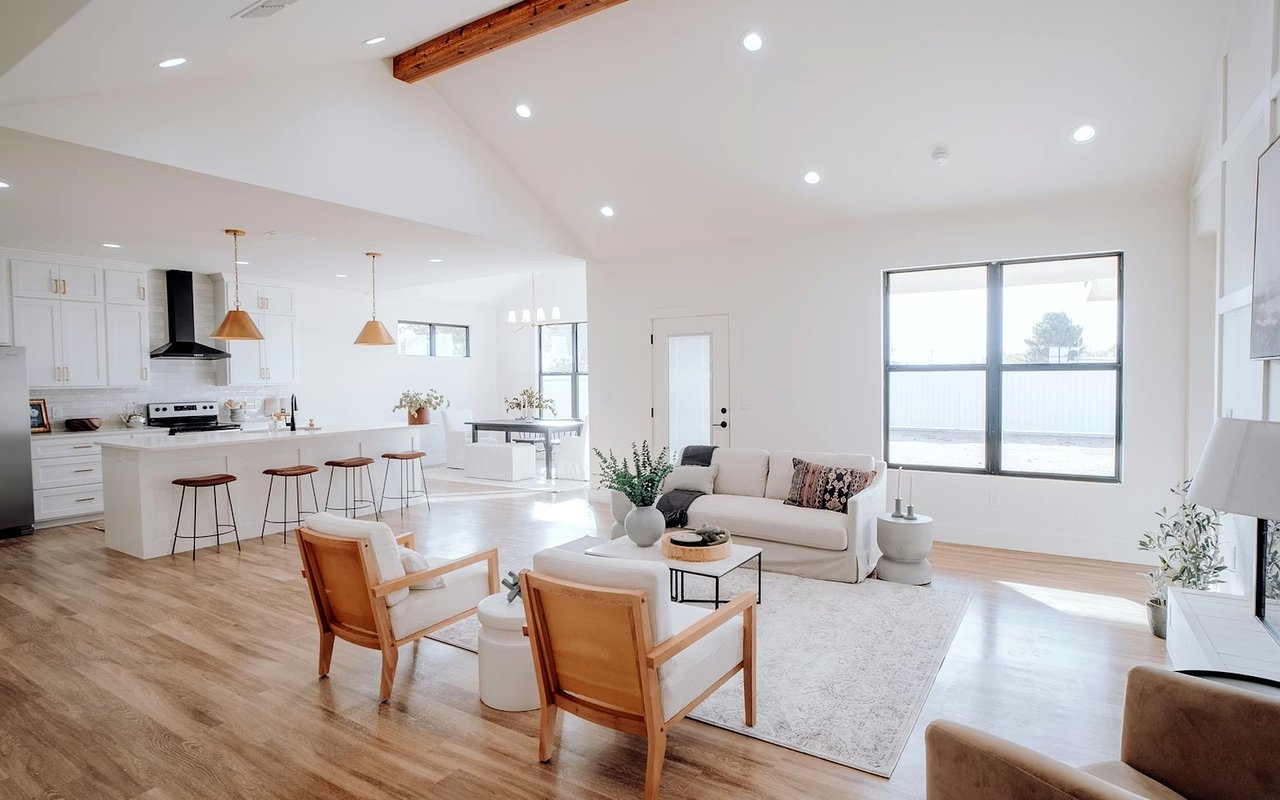
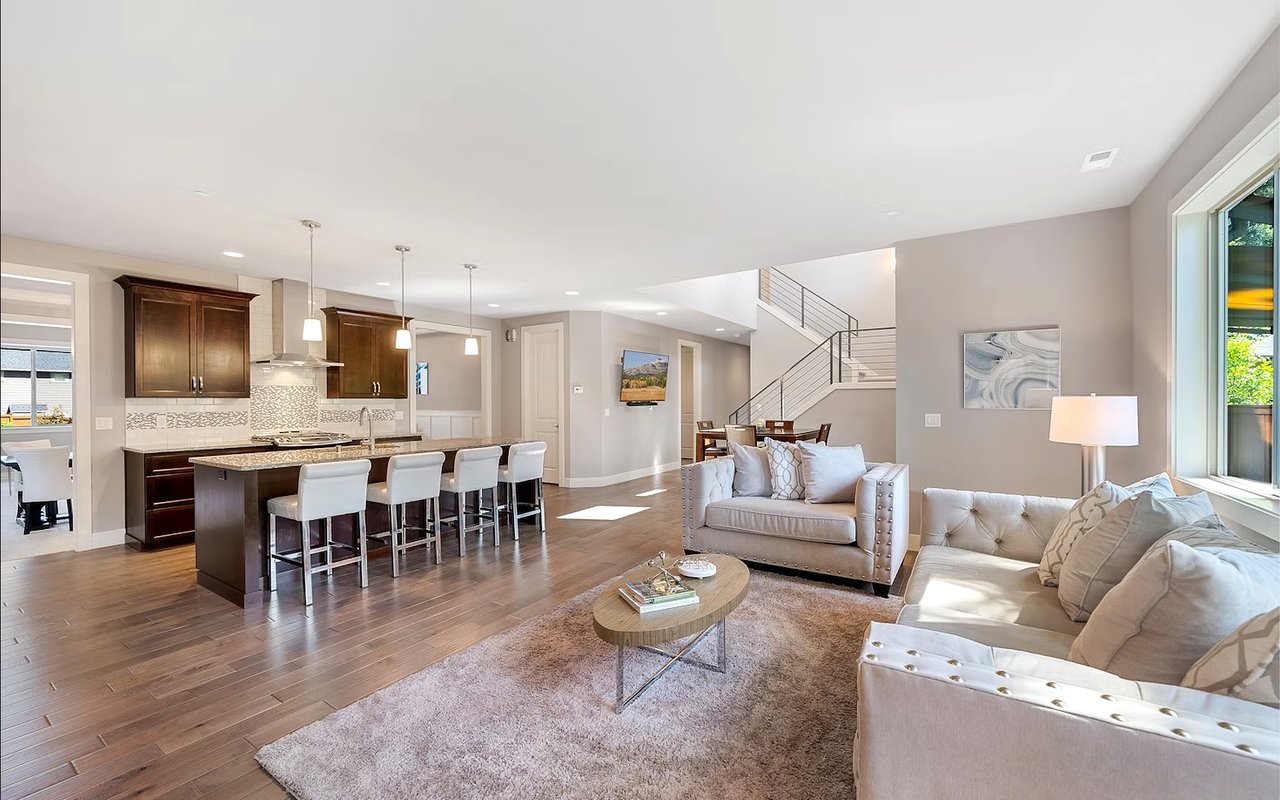
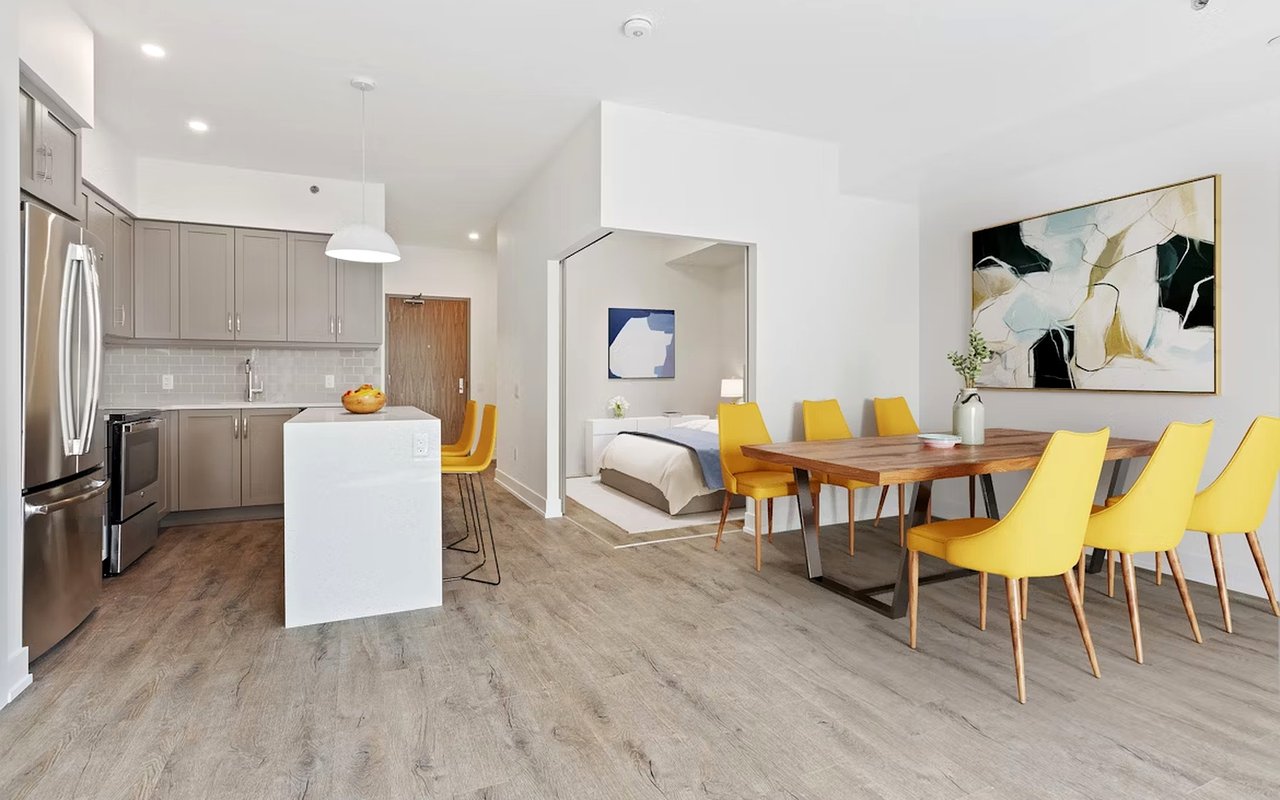
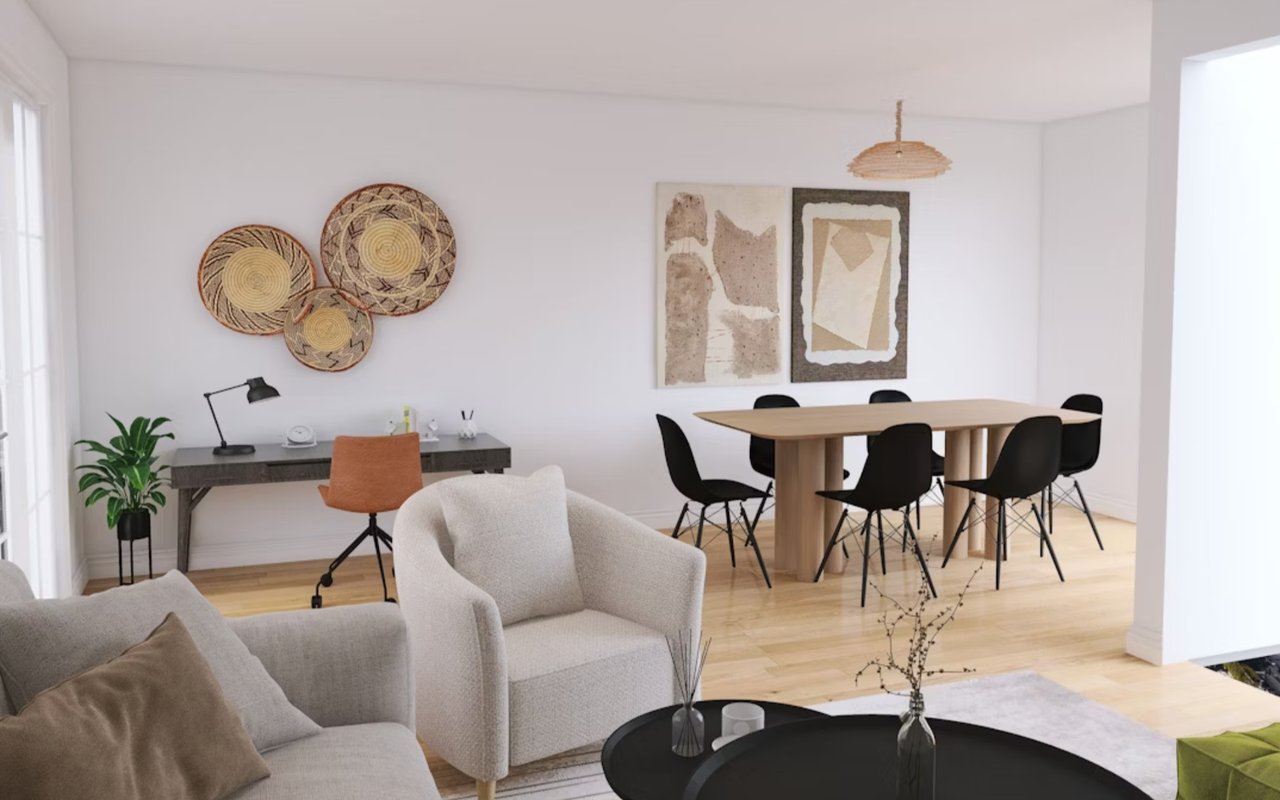
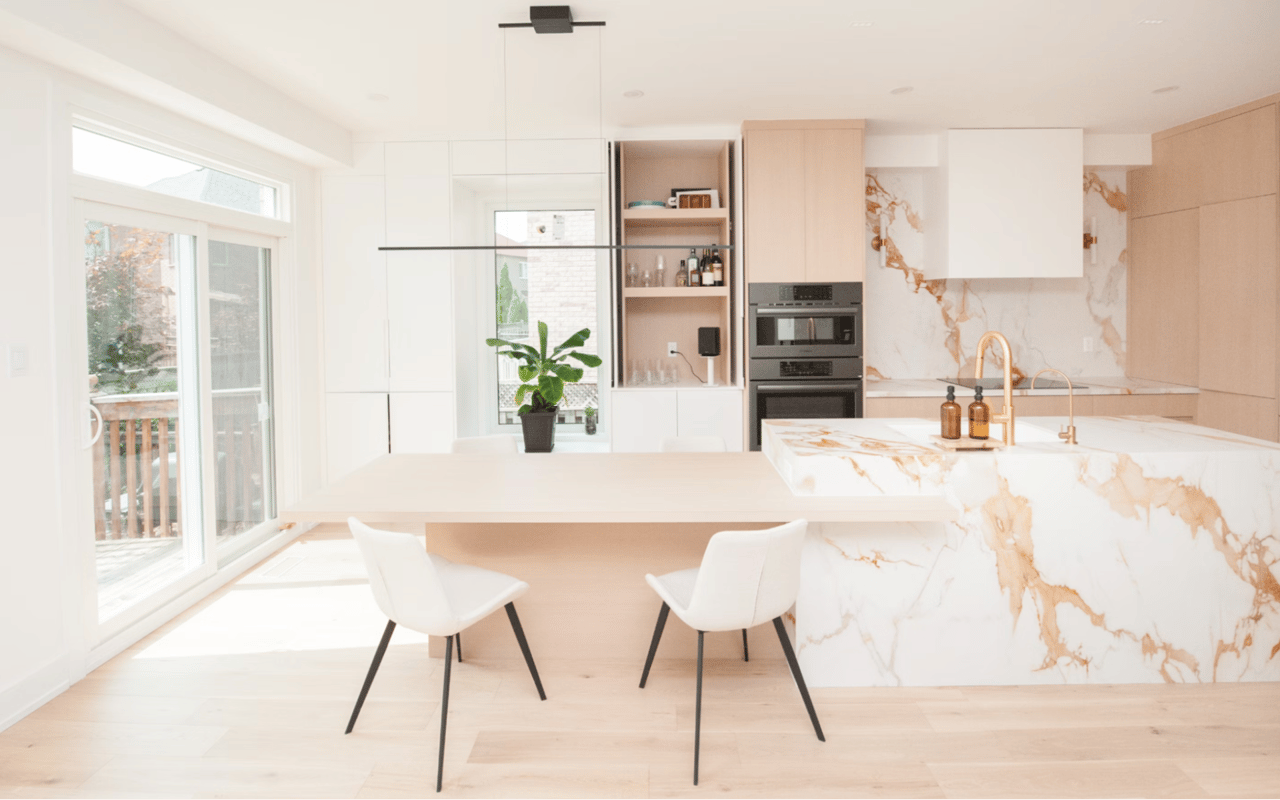
A resale listing at 301 E. Broad Street describes its subject in language you don't often see attached to a two-year-old building. The unit is on the fourth floor, finished in 2024, and according to the agent's own notes has been
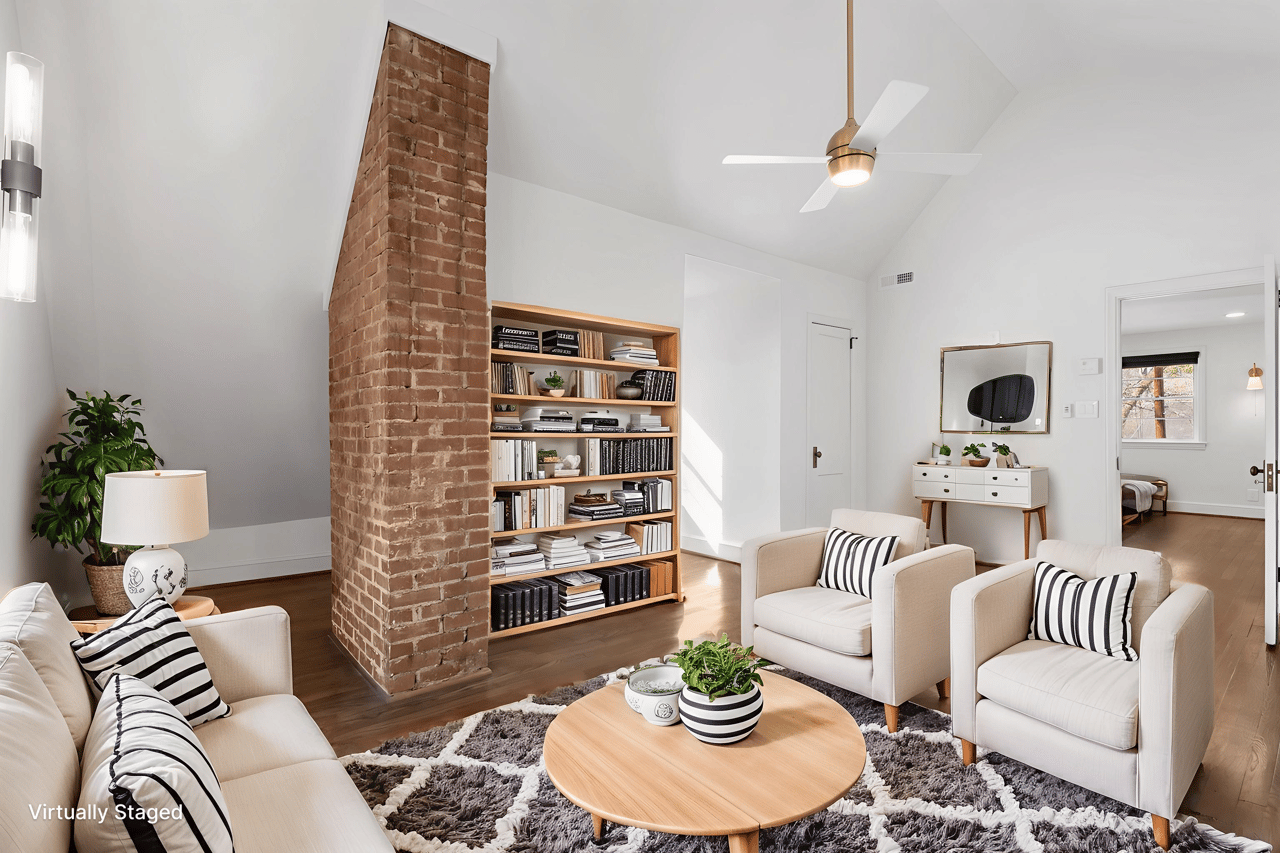
"completed in 2024, this better than new 4th Floor condo has been barely occupied"
That sentence is doing more work than it looks like it's doing. A downtown Greenville condo that's barely been lived in, back on the market before its second birthday, sitting inside a 38-unit building called The Broadview that opened its doors only recently. For a buyer comparing neighborhoods and typing "Greenville condo prices" into a search bar, that single listing raises a more useful question than any median ever will: what is this building actually selling, and why does its price sit so far outside the number everyone quotes for downtown condos as a category.
What the citywide number actually covers
Anyone shopping Greenville condos right now has probably already seen the headline figure. Across the city of Greenville, median price per square foot for homes sold in the three months ending June 2026 came in at $319, up 13.5 percent year over year. That's a real number and it's moving in a real direction. But it's a citywide blend, built from suburban ranch homes, older in-town bungalows, and everything in between. It tells you almost nothing about what a specific downtown building is charging, because downtown itself isn't one price tier. It's several, stacked on top of each other, and The Broadview sits at the very top of that stack.
Right now there are two active listings inside The Broadview, averaging $1,674,801 for units running roughly 2,099 square feet, a figure that works out to just under $800 a square foot. That's more than double the citywide condo figure quoted above, and the gap is worth sitting with, because it isn't a downtown-versus-suburbs story. It's a story about what happens inside downtown once you cross from renovated older stock into new concrete and steel construction.
A shorter walk than you'd expect
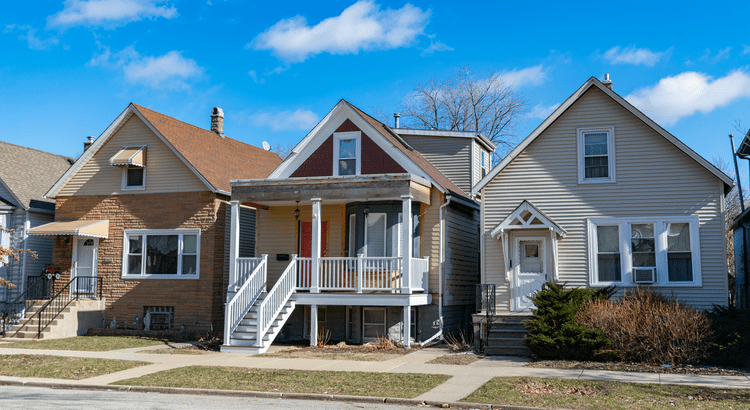
Brick Street Lofts makes the comparison easy to see. The building sits at 301 Augusta Street, one block off Main Street and a short walk to Fluor Field, eight units total, built in 2007. Recent listing activity in that building put the average price around $340,000 for an 850 square foot unit, which lands close to $400 a square foot. Both buildings are downtown. Both are condos. Both put a resident within walking distance of Main Street, the ballpark, and the Swamp Rabbit Trail. And one costs roughly twice as much per square foot as the other.
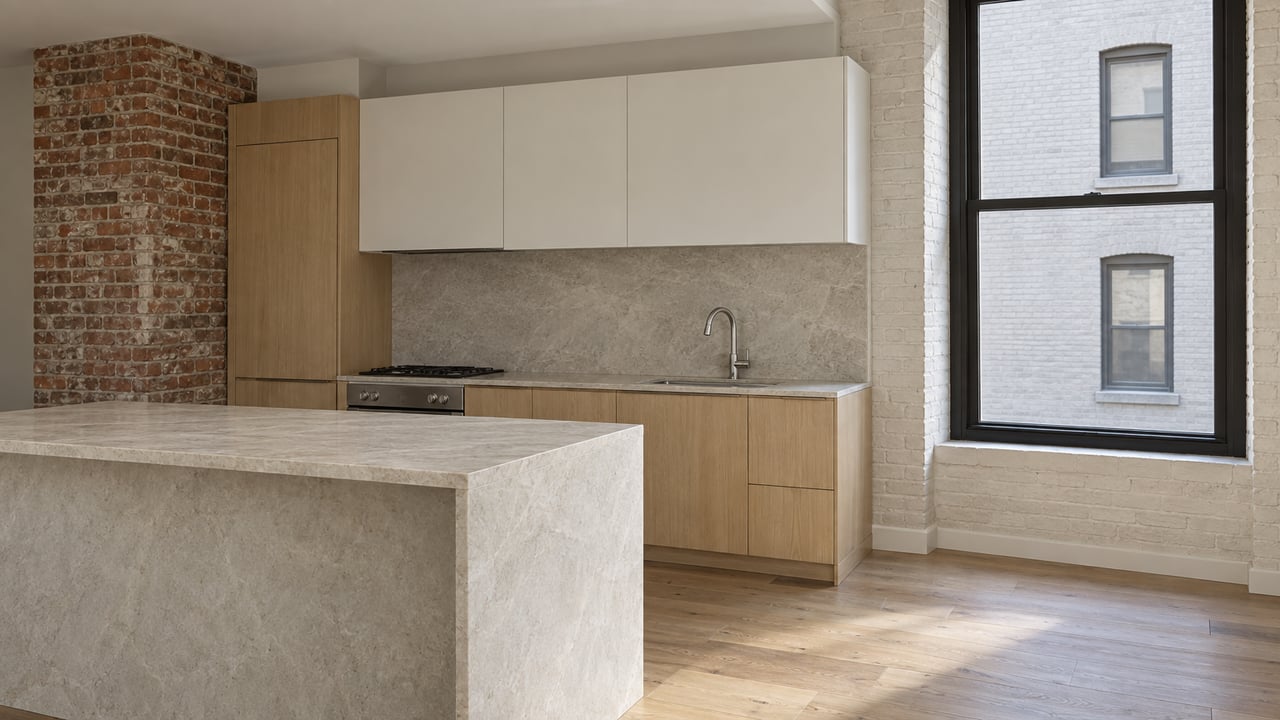
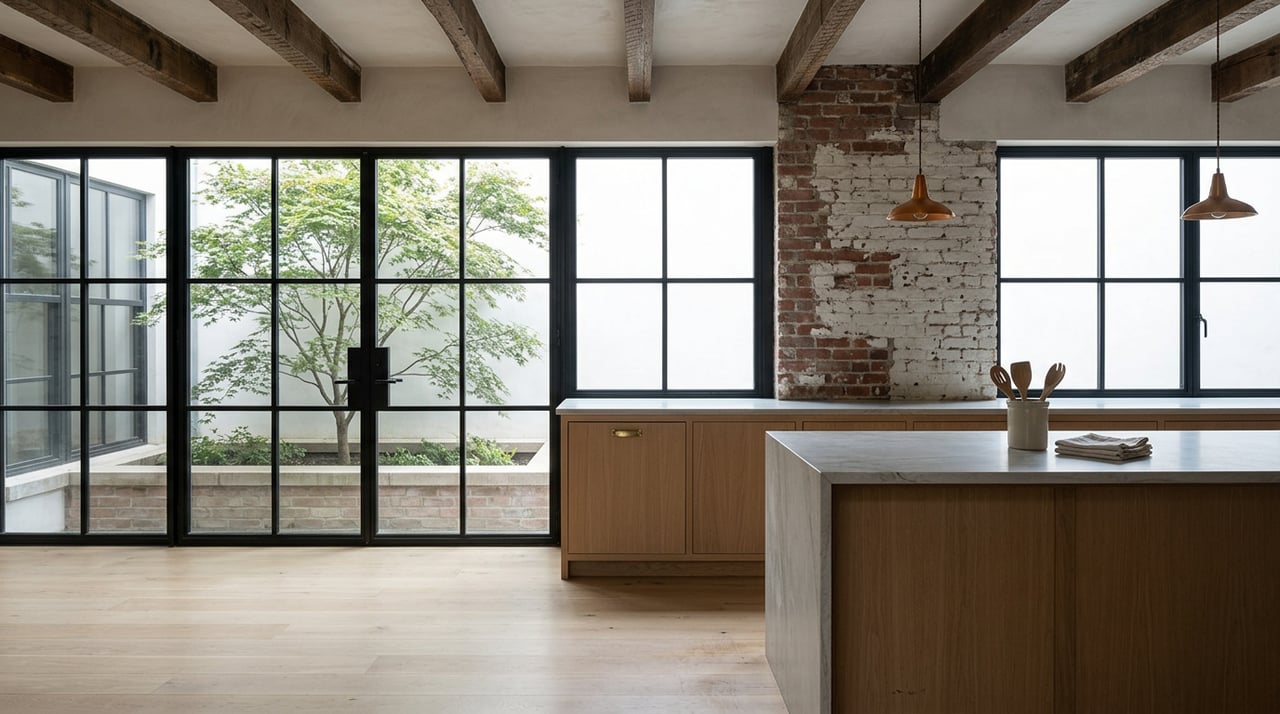
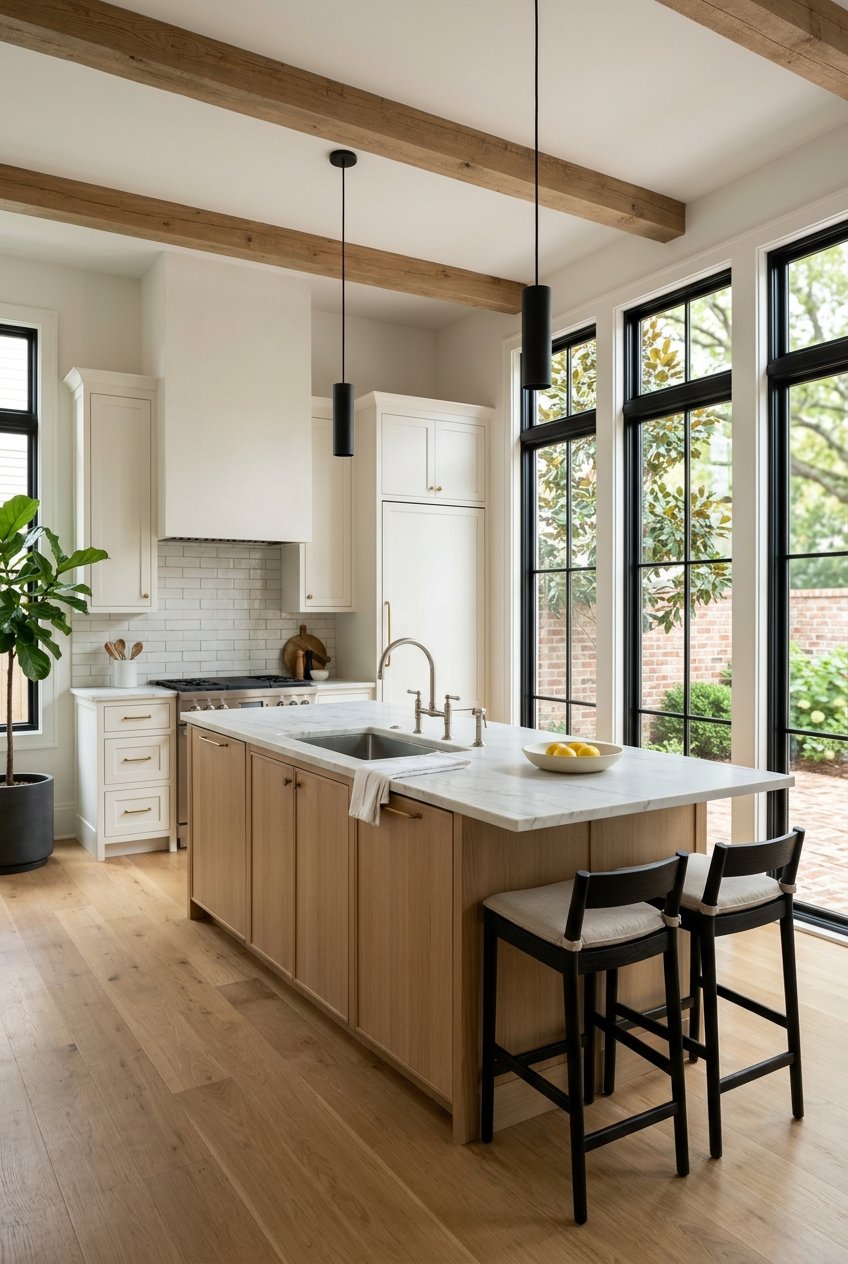
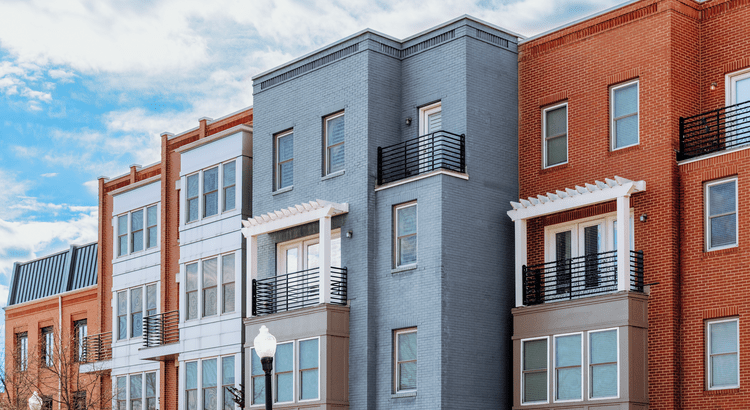
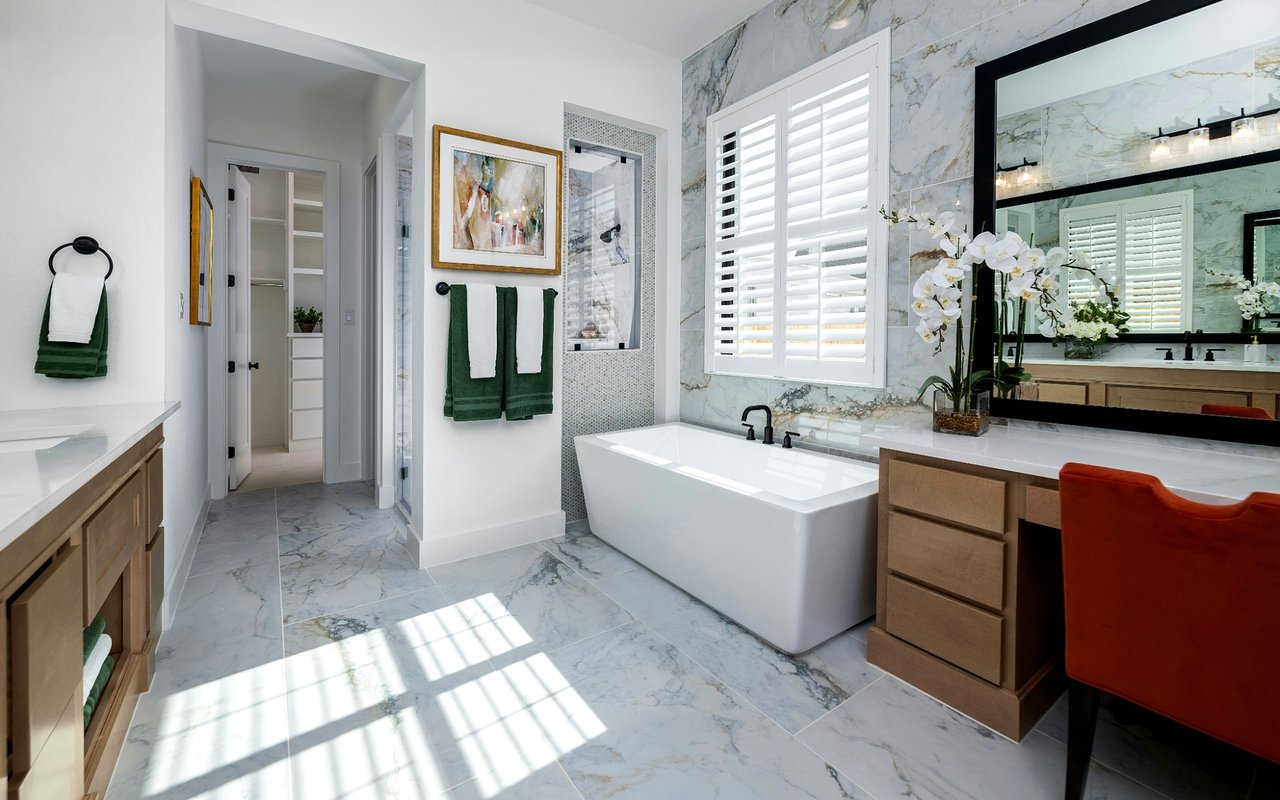
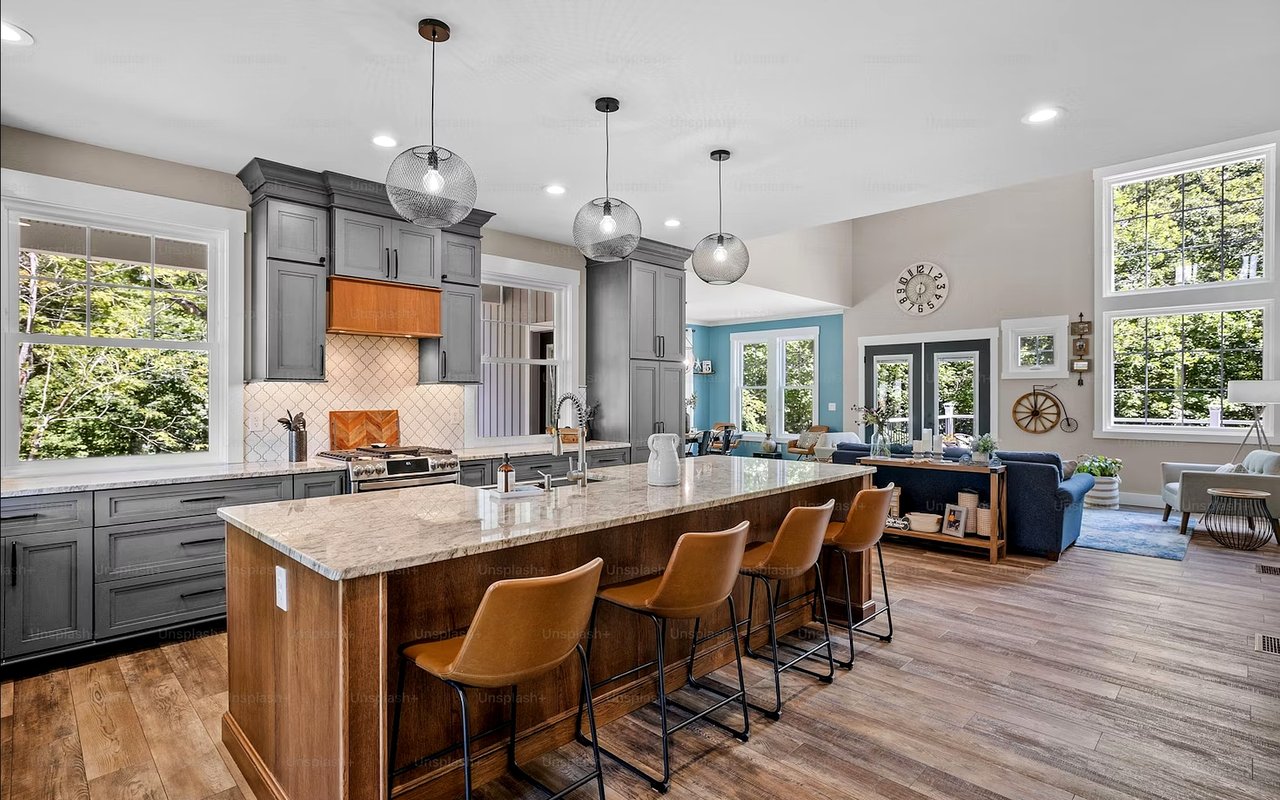
That spread didn't happen because downtown got more popular in the abstract. It happened because a specific kind of product entered the market, concrete and steel structures with secured garage parking, private storage, ten-foot ceilings, and finishes like Thermador appliances and bio-ethanol fireplaces, built to a different cost basis than a 2007 loft conversion. The Broadview is that product. Thirty-eight units, a raised bed community garden, a landscaped gathering space with a fire pit, two assigned parking spaces per unit rather than one shared lot. None of that is filler. It's the reason the per square foot math lands where it does, and it's a fair trade for a buyer who wants it. The problem is when someone compares that price against a citywide median that has nothing to do with it.
The building isn't alone in this tier, either. Downtown's newer wave of condo product includes 400 N. Main, built by Harper Corporation near Main Street and Academy, and Parkstone, a 32-unit stacked community tucked into the Gateway area between Main Street and North Main. Older downtown stock runs the other direction, anchored by buildings like The Davenport, recognized as the oldest large scale multifamily residential building downtown, dating to 1915. A buyer who only checks the citywide median is comparing none of these buildings to each other. They're comparing all of them, at once, to an average that doesn't describe any single one.
What the empty unit is actually telling you
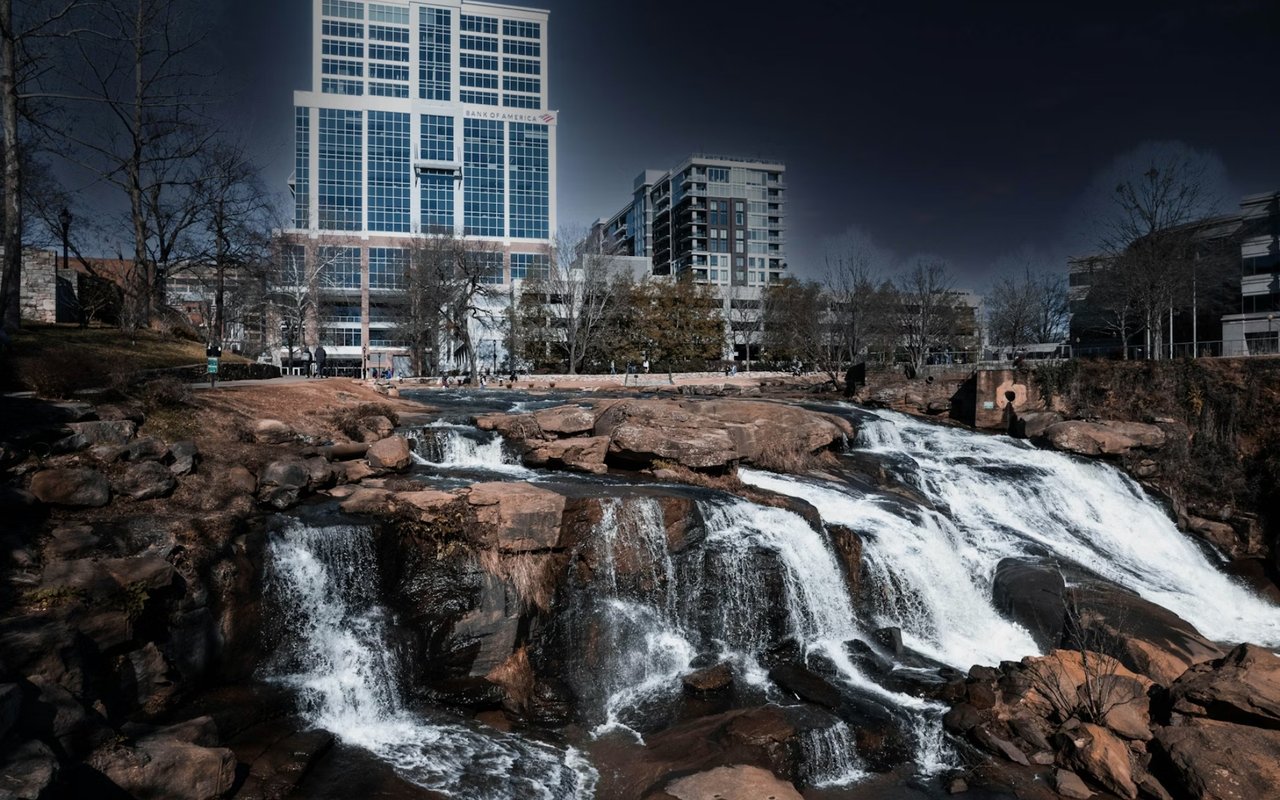
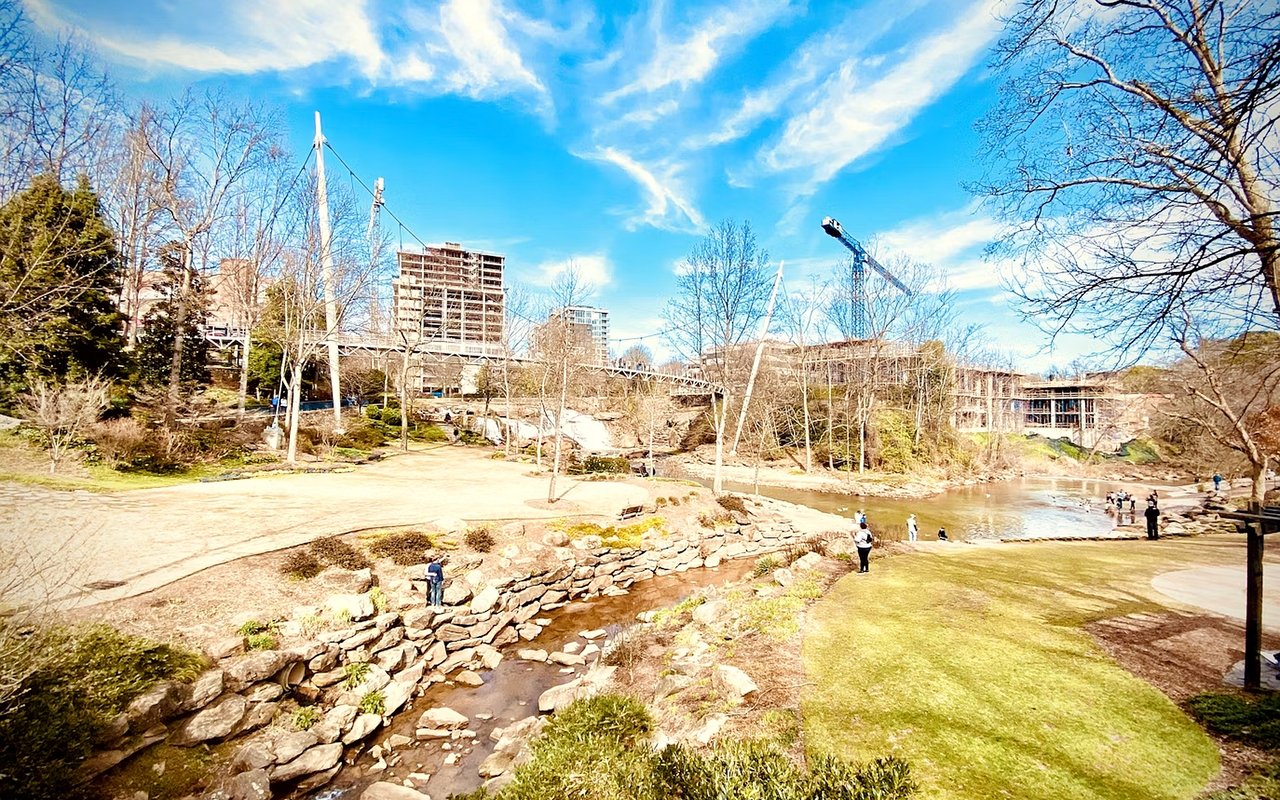
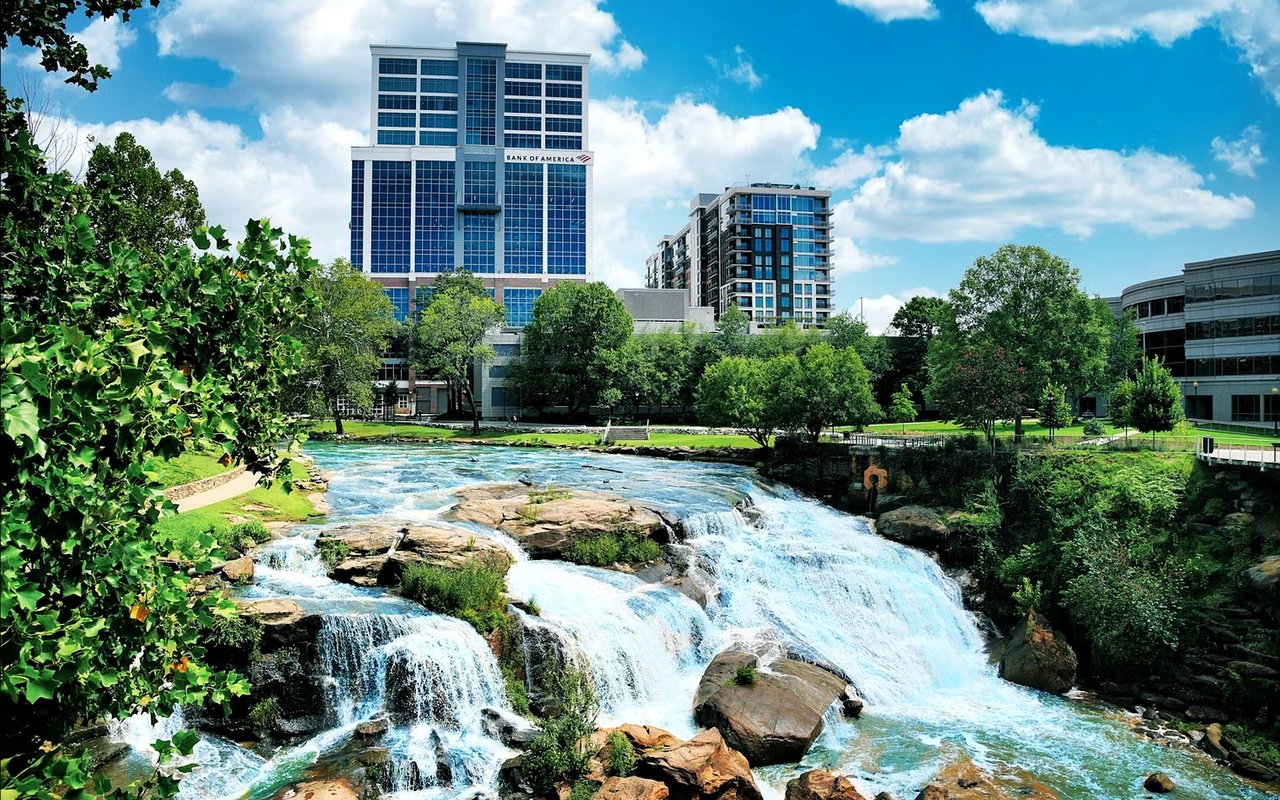
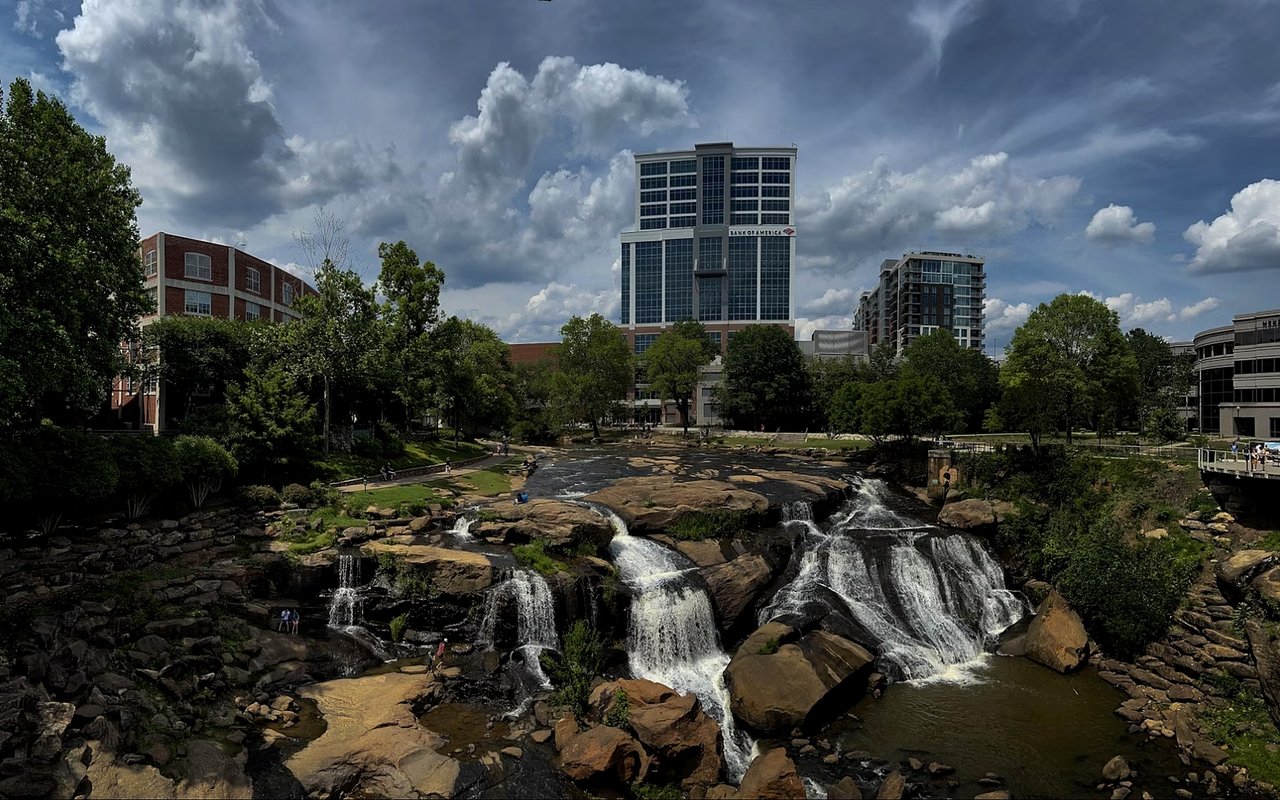
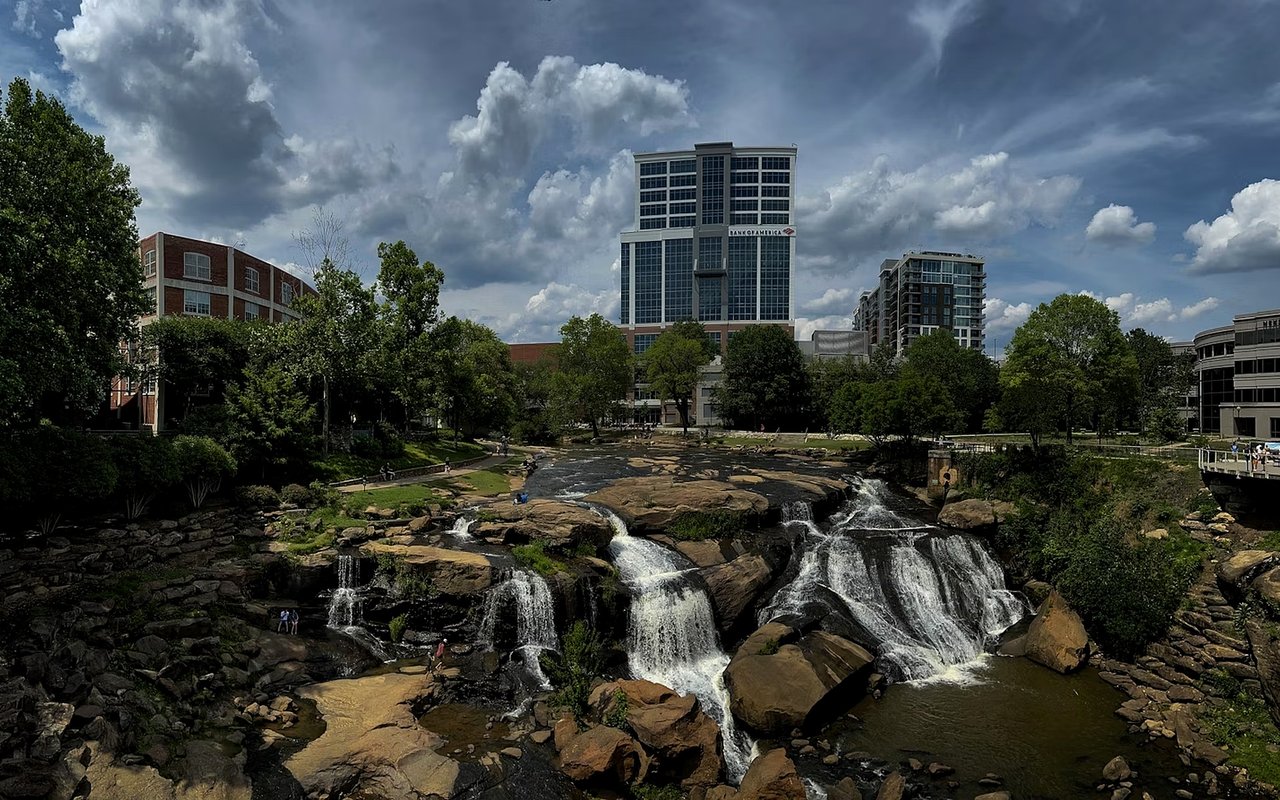
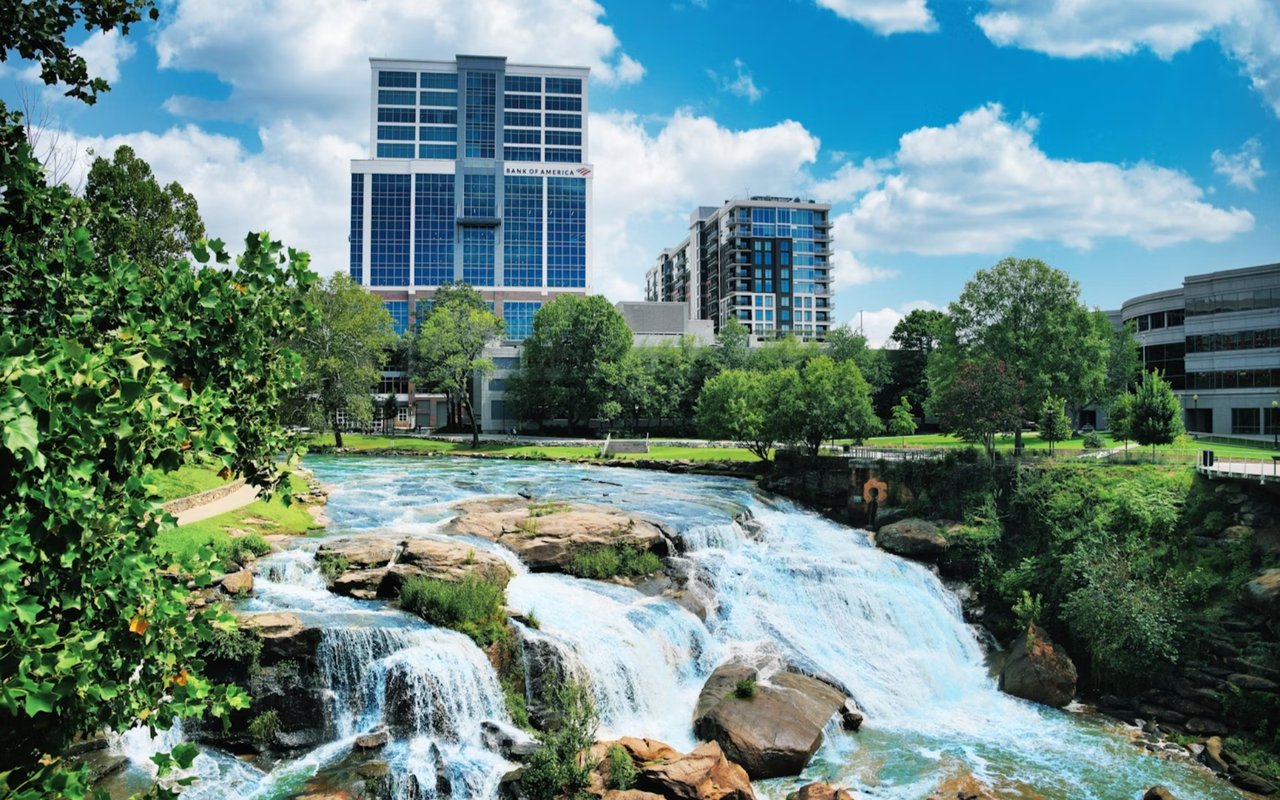
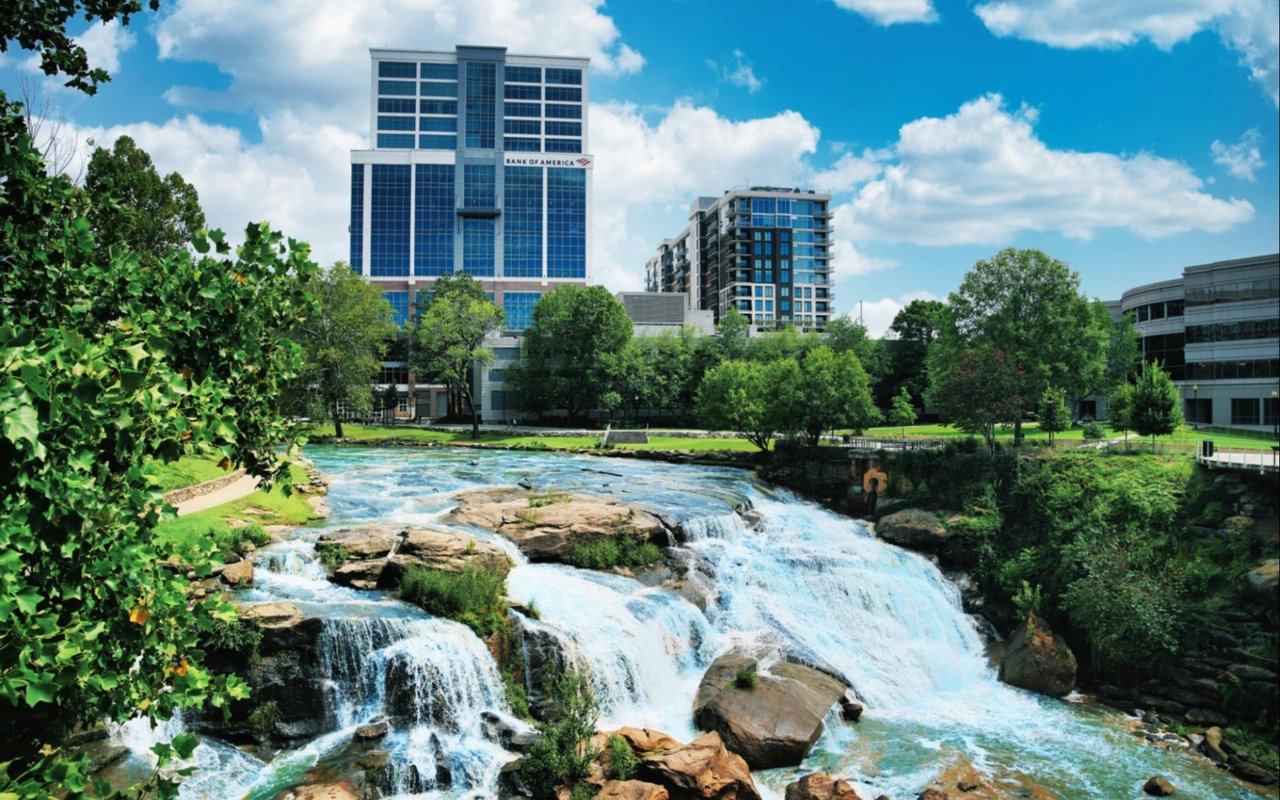
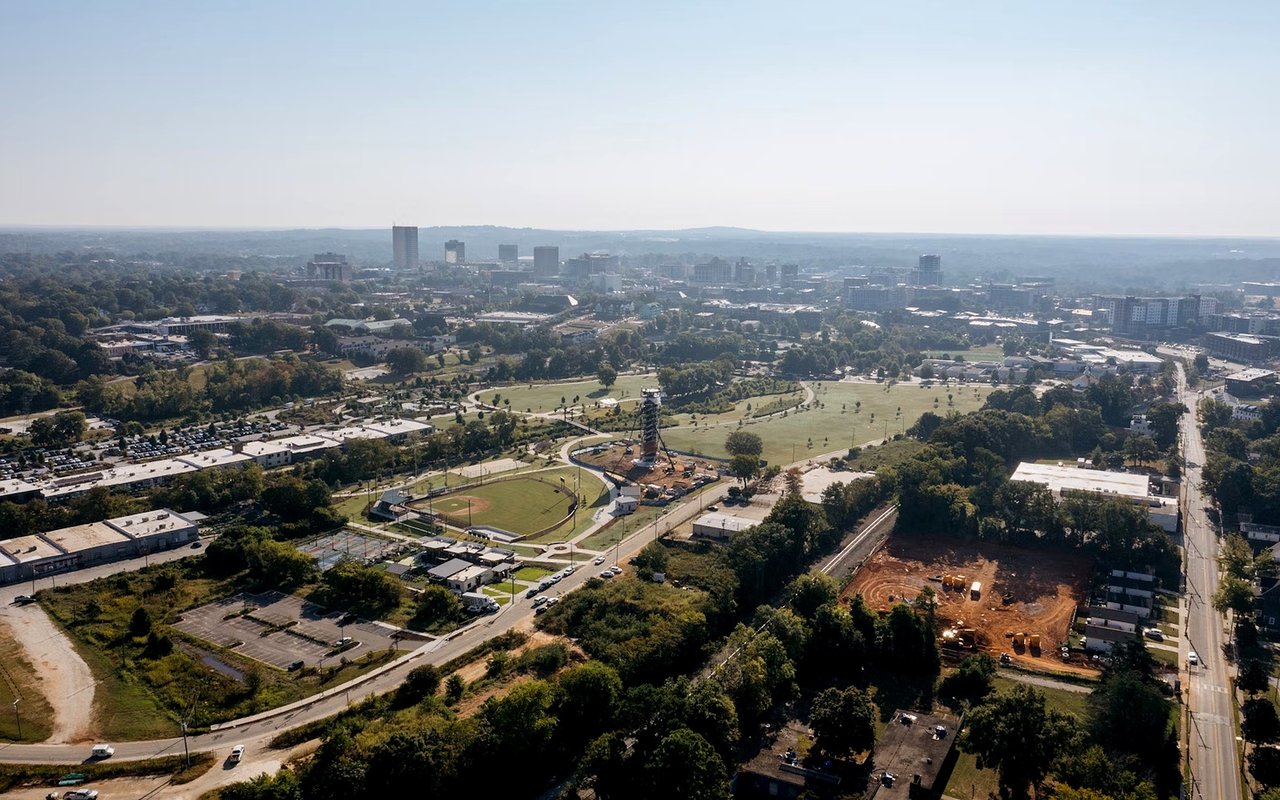
Which brings the story back to that fourth floor listing. A unit finished in 2024 and barely occupied by 2026 isn't necessarily a red flag. New luxury buildings downtown draw buyers who treat the unit as a second home, a landing spot for weekends, or a straightforward investment rather than a daily residence. That's a normal pattern in a walkable downtown core with easy access to Falls Park, the Peace Center, McBee Station, and the Swamp Rabbit Trail. What it does mean is that a buyer touring The Broadview should ask a slightly different set of questions than they'd ask at an older building where every unit has a name attached to a mailbox.
Occupancy rate matters for a downtown condo in ways that don't show up in a listing sheet. A building with several rarely used units carries different traffic patterns in common areas, a different feel walking past the community garden on a Tuesday evening, and a different set of assumptions baked into the HOA's reserve planning, since usage-based wear and tear doesn't accumulate the way it would in a fully lived-in building. None of that is a reason to walk away from a specific unit. It is a reason to ask the HOA directly what share of units are owner-occupied versus investor-held or used part time, and to read the reserve study rather than assume one exists in good shape simply because the building is new.
Reading the price tag correctly
The practical takeaway for anyone comparing downtown Greenville buildings isn't that The Broadview is overpriced or that Brick Street Lofts is underpriced. It's that "downtown condo" stopped being one category the moment new concrete and steel construction entered the picture, and the citywide median hasn't caught up to that split. A buyer working from that single number risks anchoring on a price point that doesn't exist inside the block they're actually touring.
The better approach is to price the building, not the city. Pull the specific per square foot figure for the building under consideration, compare it against a handful of similarly located buildings from a similar construction era, and treat the citywide median as background noise rather than a benchmark. For a downtown Greenville condo, the difference between $400 and $800 a square foot isn't a rounding error. It's the difference between two different products wearing the same address.
If you're weighing a unit at The Broadview against something older, or trying to figure out what a nearly-new resale with light occupancy history actually says about resale risk and HOA health, that's a conversation worth having before you write an offer, not after. The Gallo Company can walk through the building-specific numbers, the HOA documents, and what they mean for your specific unit and timeline.